The breakfast signal: when the pastry basket sets the tone
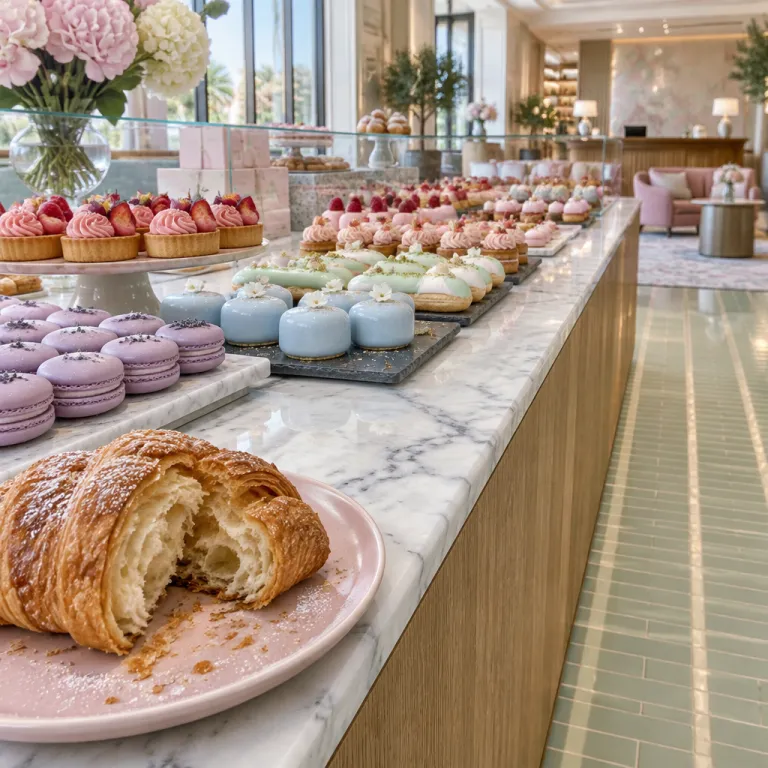
The most reliable way to judge a luxury hotel’s pastry programme is to start at breakfast and look closely at the basket. A serious five-star property treats the morning patisserie as a manifesto, where every croissant, brioche and gluten-free loaf quietly explains the kitchen’s ambition and the professional pastry team that powers it. For families choosing between hotels and restaurants, that first tray of viennoiserie and breakfast cakes often reveals more than any marketing line about luxury hospitality.
Look for signs of real pastry work rather than decorative staging. House-baked viennoiserie with visible lamination, a balanced butter aroma and clean layers shows that pastry chefs and the wider kitchen brigade have invested in technical skills and patient training. By contrast, commissary-delivered bread dressed as “artisanal” usually has uniform shapes, a dull crumb and a sweetness that feels more business convenience than passion pastry.
In a true star hotel, the breakfast buffet becomes a live classroom for students of flavour and texture. At properties such as The Ritz-Carlton, Tokyo or Claridge’s in London, you will often see a pastry chef de partie stepping out from the kitchen to check how plated desserts from the previous evening performed, quietly asking the service team about guest feedback. This loop between professional pastry production, guest experience and leadership in the pastry équipe is what separates a generic hotel from a luxury hotel where the pastry chef genuinely runs the sweet side of the show.
Families should also pay attention to how the patisserie handles dietary needs without sacrificing pleasure. A strong hotel pastry operation will offer gluten-free options that feel crafted, not apologetic, from buckwheat financiers to almond-based desserts that hold their own beside classic patisserie. When the pastry profession is respected at breakfast, you can expect that same professional care to follow you through room service, poolside snacks and late-night plated desserts.
The rise of the named hotel pastry chef as a brand
Across luxury hospitality, the named pastry chef now sits beside the executive chef on the marquee, reshaping how guests choose a hotel. Where once only savoury chefs defined a property’s culinary narrative, today pastry chefs headline social media campaigns, host classes for students and lead resort pastry collaborations that run year-round. For food-focused families, this shift means the sweet kitchen is no longer an afterthought but a core reason to book.
In Paris, London or New York, you will increasingly see luxury hotel websites giving equal billing to the pastry chef and the executive chef, with both biographies detailing training, culinary school pedigree and leadership philosophy. At The Peninsula Paris, for example, the pastry chef’s profile highlights École Ferrandi credentials and awards from the World’s 50 Best Hotels. This dual spotlight signals that the dessert programme is not just a support act but a parallel creative engine shaping desserts, afternoon tea and even breakfast patisserie. It also reflects a deeper business calculation, as hotels and resorts realise that a strong pastry profession can drive incremental revenue through dessert bars, patisserie counters and celebration cakes.
For guests, the practical question is how to read this branding. A credible property will show the pastry chef at work in the kitchen, explaining food safety standards, technical skills and the thinking behind plated desserts, rather than only posing for styled portraits. When you see a chef de partie or senior pastry chefs leading workshops for children, hosting chocolate tempering demonstrations or guiding students through lamination, you are looking at a hotel where pastry is treated as a serious career path. That level of professional investment usually translates into better service, more consistent desserts and a richer overall experience for families.
This evolution also changes how families interact with the hotel. Children who meet a pastry chef during a cookie class or birthday cake consultation often become curious about culinary work and the broader career possibilities in hotel restaurants. Parents, meanwhile, gain confidence that the luxury hotel takes both indulgence and food safety seriously, from gluten-free baking protocols to year-round sourcing of chocolate and fruit. When the pastry chef becomes a visible leader, the entire dessert programme gains authority and trust in the eyes of discerning travellers.
Dessert bars, afternoon tea and patisserie as a standalone destination
Some of the most interesting hotel pastry concepts now operate almost as independent restaurants, with dessert bars and patisserie lounges that attract local guests as much as in-house travellers. In these spaces, the pastry profession steps out from the shadow of the main kitchen and presents plated desserts as a full culinary experience rather than a sweet afterthought. For families, this can turn an ordinary stay into a ritual, where an afternoon visit to the patisserie becomes as important as the pool.
Look for hotel restaurants that programme their resort pastry offerings with the same care they give to signature dining rooms. A strong luxury hotel might run seasonal dessert menus, chocolate-themed weeks or year-round afternoon tea services where the pastry chef and chef de partie are present in the room, explaining textures, origins and techniques. At The Langham, London, for instance, the afternoon tea menu often lists specific origin chocolates and single-variety fruits, details that reflect serious pastry thinking. When you see students from local culinary school programmes staging alongside professional pastry teams, you are witnessing a living training ground that keeps the menu evolving.
Standalone dessert concepts also allow pastry chefs to explore business models beyond the traditional star hotel restaurant. A patisserie counter in the lobby can sell travel-friendly cakes, breakfast pastry boxes and celebration desserts, turning passion pastry into a revenue stream that supports more ambitious work in the main kitchen. Families benefit directly, with easy access to birthday cakes, children’s desserts and gluten-free treats that feel crafted rather than generic.
For travellers comparing properties, it helps to think of these spaces as a litmus test for luxury hospitality priorities. A hotel willing to dedicate prime real estate, specialised equipment and a full professional équipe to patisserie is signalling that its dessert and pastry programme is central to the brand. When dessert bars are busy with both locals and guests, staffed by confident chefs who can explain food safety protocols and technical skills, you can be reasonably sure the rest of the hotel’s service culture is equally serious.
Reading the craft: how to tell real technique from decorative sugar
Even in a polished luxury hotel, not every pastry display reflects deep technical skills, so guests need simple cues to read the craft. Start with lamination on croissants and puff pastry; clean layers, crisp edges and a gentle shatter suggest a pastry chef who respects time, temperature and the physics of butter. Dense, bready interiors or greasy surfaces usually mean shortcuts in training or production, no matter how elegant the patisserie looks on the buffet.
Chocolate work offers another clear window into the seriousness of a hotel’s sweet kitchen. Properly tempered chocolate has a sharp snap, glossy surface and clean melt, which indicates that pastry chefs and their kitchen équipe are controlling temperature curves with professional precision. If you see dull, streaked chocolate garnishes on plated desserts, it often signals that the pastry profession is being treated as decoration rather than a core culinary discipline.
Sugar work and sauces tell their own story. In a true star hotel, spun sugar, glazes and coulis are used sparingly to balance texture and acidity, not to hide structural flaws in desserts. When a chef de partie can explain why a particular plated dessert uses a specific sugar density or fruit reduction, you are hearing the language of a serious culinary career rather than marketing. Families may not care about the technical vocabulary, but they will feel the difference in every bite.
Food safety is another non-negotiable marker of professionalism in any luxury pastry operation. Chilled desserts should be served at the correct temperature, with clear separation between gluten-free items and wheat-based pastry to protect guests with allergies. Hotels and resorts that invest in continuous training for students, junior chefs and service staff on cross-contamination, storage and year-round hygiene are usually the same properties that deliver consistently excellent desserts. When the executive chef and head pastry chef speak openly about these standards, it reinforces trust in the entire luxury hospitality operation.
Why pastry matters for families: from birthday cakes to future chefs
For premium families, the pastry kitchen often becomes the most memorable part of a stay, because it touches birthdays, small celebrations and everyday treats. A thoughtful hotel dessert programme will offer children’s menus that go beyond sugar overload, introducing young guests to textures, fruits and even gentle spices through playful plated sweets. When pastry chefs take time to personalise a cake or write a child’s name in chocolate, the hotel suddenly feels less like a business and more like a temporary home.
Many luxury hotel properties now use their patisserie as a soft gateway into the broader culinary world for curious students and teenagers. Short classes led by a pastry chef or chef de partie can cover simple topics such as cookie dough, chocolate tempering or gluten-free brownies, while quietly teaching food safety, mise en place and respect for ingredients. These sessions often reveal the leadership culture of the kitchen, because only a confident professional pastry équipe will invite guests behind the scenes.
For parents, pastry-focused programming also becomes a practical decision-making tool when comparing hotel restaurants. A resort pastry team that can handle year-round demand for birthday cakes, seasonal desserts and room service treats without compromising quality is usually backed by strong training, clear leadership and a serious executive chef partnership. Reading more about how chefs shape a hotel’s identity, including the sweet side of the operation, can help; an in-depth analysis of when the chef becomes the brand is available at this feature on signature restaurant partnerships.
Ultimately, the way a luxury hotel treats its pastry profession says a great deal about its values. Properties that invest in named pastry chefs, visible kitchen teams and transparent dessert structures tend to deliver better service across every touchpoint, from breakfast trays to late-night plated desserts. For families planning their next stay, paying attention to the sweet kitchen is not indulgent; it is a smart, experience-driven way to choose where to check in.
FAQ
How can I tell if a hotel takes its pastry programme seriously?
Look first at breakfast, because the morning pastry basket is the most honest indicator of ambition in any luxury dessert operation. House-baked croissants with clear lamination, balanced sweetness and consistent quality across several days usually signal a professional pastry équipe with strong training. Visible pastry chefs, clear information about gluten-free options and thoughtful children’s desserts are further signs that the patisserie is central to the hotel’s identity.
What questions should I ask about food safety in hotel desserts?
When booking, ask whether the hotel has separate preparation areas or strict protocols for gluten-free and allergy-sensitive desserts. A serious luxury hotel will explain how pastry chefs and kitchen staff are trained in food safety, storage temperatures and cross-contamination controls. If the team can answer confidently and describe year-round procedures, you can trust the dessert and pastry programme more fully.
Are dessert bars and patisserie lounges worth planning a stay around?
In many luxury hospitality properties, standalone dessert bars and patisserie lounges have become genuine dining destinations. These spaces showcase the full range of the pastry profession, from plated desserts to travel-friendly cakes, often under the direct leadership of a named pastry chef. For families who value food-led experiences, choosing a hotel with a strong resort pastry concept can add daily rituals and memorable treats to the stay.
How do pastry programmes benefit families travelling with children?
Thoughtful hotel dessert offerings give families flexible, high-quality options for celebrations and everyday indulgence. Children’s baking classes, personalised birthday cakes and balanced sweets help keep younger guests engaged while reflecting the hotel’s broader service culture. When pastry chefs interact directly with children, it often creates lasting memories and can even spark interest in a future culinary career.
Does a famous pastry chef always mean better desserts in a hotel?
A well-known pastry chef can be a positive sign, but the real test is consistency across breakfast, room service and restaurant menus. Pay attention to how often the chef is present, how the team talks about training and whether technical skills show in details such as lamination, chocolate work and temperature control. A less famous but fully engaged pastry équipe can deliver a stronger overall experience than a headline name who is rarely on site.
Sources
Le Cordon Bleu; The World’s 50 Best Hotels; Michelin Guide; interviews with hotel pastry chefs published in trade media such as Pastry Arts Magazine and institutional reports from École Ferrandi.