The vocabulary of flame: how to read a hotel’s fire language
Before you book a so called fire kitchen stay, learn the language of the flames. A serious fire cooking hotel restaurant guide starts with vocabulary, because each technique shapes flavour, texture and the way your family will actually dine. When a hotel simply lists “grill” or “open fire” on the menu, you need sharper questions than most booking engines ever suggest.
Ask whether the chef works with binchotan charcoal, mixed hardwood or a generic briquette, because each cooking fire creates different heat zones and levels of smoke. Binchotan burns clean and hot, ideal for precise grilling of meat or seafood, while mixed wood fired embers lend a broader spectrum of aroma to vegetables and slow roasts. When a restaurant team cannot explain which wood or charcoal they use, that fire pit in the courtyard is probably more décor than serious outdoor cooking infrastructure.
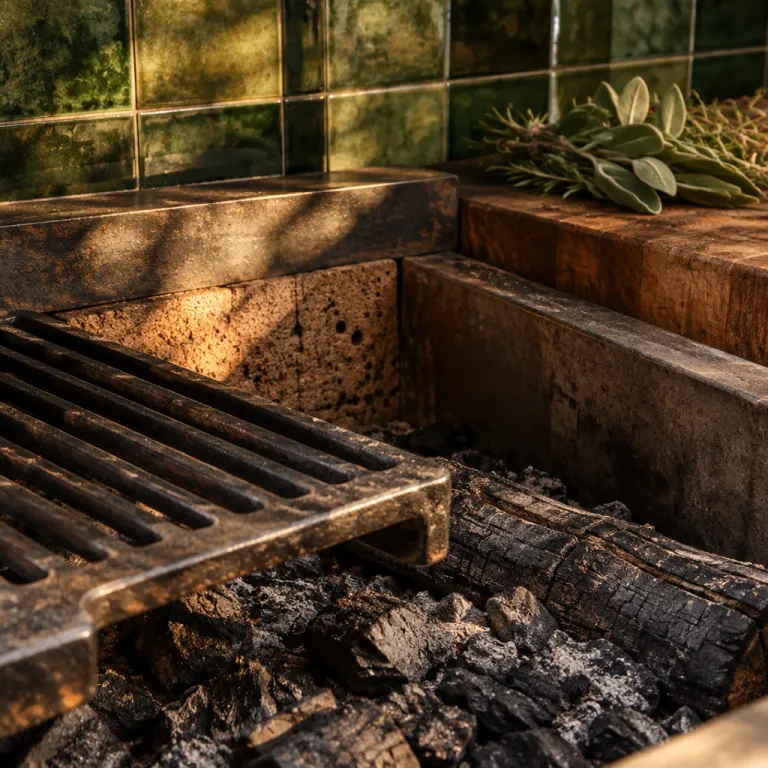
Clarify whether the kitchen uses a dedicated live fire hearth, a charcoal grill grate insert or a gas oven with a token log. A true fire cooking program will separate open flame searing from gentler oven finishing, often moving food across several heat zones during service. Families seated near the chef table or counter can usually watch the cook move cast iron pans, a dutch oven or skewers from fierce flames to calmer embers, which tells you more than any marketing line about authenticity.
Listen for specific tools when you speak with reservations, because vocabulary reveals intent. A team that talks about campfire cooking rigs, adjustable grill grates and custom fire pits has probably built the dining room around the hearth, not the other way around. When the language stays vague — just “grill” and “smoke” repeated — you are likely paying a premium for a view of the fire rather than food that genuinely tastes of it.
Hardware and fuel: what the hearth tells you before you taste
The most reliable fire cooking hotel restaurant guide starts not with the plate, but with the hardware. In luxury properties across the United States, you now see sculptural open fire installations that photograph beautifully, yet many never feel the true heat of service. Your job as a gastronomy focused traveller is to separate custom built hearths from off the shelf grills that could sit in any suburban backyard.
When a hotel has invested in a multi level live fire line, you will usually find a combination of wood fired ovens, adjustable charcoal grills and a central fire pit for slow cooking. Ask whether the chef can create distinct heat zones on the same structure, because this determines whether they can sear meat hard while gently roasting vegetables or bread nearby. If the answer is no, the kitchen is probably using the grill for one signature steak while the rest of the menu comes from conventional equipment.
Fuel is the second half of the hardware story, and it matters as much as the metal. Serious restaurants track their wood supply like wine, specifying oak, apple or mesquite and adjusting cooking times as moisture levels change. If a property claims to offer fine dining over an open flame but buys anonymous charcoal bags, you can safely assume the smoke is more marketing than nuance.
Use the reservation call to ask how often the menu changes with the wood delivery, because that single question reveals whether the chef respects the fire as a living ingredient. A thoughtful team will explain how different wood species suit fish, game or vegetables, and how they rotate dishes to match the season. When you hear only one signature “wood fired” pizza or burger repeated, you are not booking into a destination restaurant, just a dining room with a fashionable grill.
For a deeper look at how serious properties think about equipment, sourcing and guest experience, explore this guide to culinary concept design in high end hotels. It shows how the best teams design the entire cooking space around the fire, rather than squeezing a token grill into an existing kitchen.
When fire is philosophy: WildKitchen and the art of ember led menus
Some hotels treat fire as a lighting effect, while a rare few build an entire philosophy around the cooking flame. WildKitchen at The Lodge at Blue Sky in Utah is a useful case study for any fire cooking hotel restaurant guide, because it shows what happens when a property commits fully to ember led dining. Here, the multi function artisanal unit at the heart of the experience grills, fries, smokes, slow roasts and boils in one sculptural piece, proving that hardware and intent can align.
The 24 seat communal chef table format means guests watch every cook move, from the first spark of the cooking fire to the final cast iron pan pulled from the coals. Families who book the entire space see how the team manages heat zones across the grill grate, shifting food from open flame to quieter embers as textures develop. This is not theatrical grilling for show ; it is a masterclass in how live fire can structure an entire evening of dining.
Menus at this level rarely lock into a fixed pattern, because wood supply, weather and ingredient sourcing all shape what appears on the plate. When the chef talks about building a menu around the day’s wood fired capacity — perhaps slow roasting larger cuts of meat while using the hotter side of the fire pit for quick sears — you know the flames are in charge. Smoke becomes a subtle flavour layer rather than a blunt instrument, and the dining room feels like an extension of the hearth rather than a separate stage.
As you compare properties across the United States, look for similar signs of commitment. Does the restaurant team speak about campfire cooking techniques, dutch oven braises and outdoor cooking events that move beyond the main grill station ? Do they offer non alcoholic pairings that stand up to smoke and heat, like the thoughtful zero proof programs explored in this feature on serious alcohol free beverage lists in gastronomy hotels ? When all these elements align, you are looking at a hotel where fire is more than a marketing word.
Red flags: when the flames are only for the photo
Not every glowing hearth in a lobby or dining room signals serious fire cooking. Many luxury hotels in the United States now install dramatic fire pits and open flame features that photograph beautifully, yet the actual food comes from a standard oven line in the back. A careful fire cooking hotel restaurant guide must therefore highlight the warning signs that the flames are mostly for show.
Be wary when the restaurant advertises “wood fired” pizzas or steaks, but staff cannot explain whether the oven runs on gas, wood or a hybrid system. A gas deck with a token log stack nearby will not deliver the same smoke character or variable heat zones as a true wood fired hearth. If the team hesitates when you ask what percentage of the menu is cooked over live fire, assume the answer is “very little”.
Another red flag appears when the grill sits in full view of guests, yet most plates arrive without any sign of char, blister or smoke. In such restaurants, the chef may use the grill only for one signature meat dish, while the rest of the cooking happens on induction or in combi ovens hidden from sight. When you see a pristine grill grate with barely any ash during peak service, you are looking at a prop, not a workhorse.
Pay attention to how families are seated in relation to the hearth, because distance can be revealing. If the only guests near the open fire are those taking photos, while serious diners are tucked away from the heat, the flames are probably a backdrop. A genuine fire led kitchen will manage smoke and temperature so that guests can comfortably eat close to the action, with children safely positioned yet still able to watch the cook at work.
Finally, scrutinise the menu language for repetition without detail. When every second dish claims to be grilled, smoked or charred, but no one can explain which wood, which cooking fire or which part of the hearth was used, you are paying for adjectives rather than technique. In those cases, your budget might be better spent on a property where the investment in fire matches the ambition of the food.
How to book a true ember kitchen: questions for families to ask
For a family planning a high end stay, the most practical fire cooking hotel restaurant guide is a checklist of questions to ask before you confirm. Start with the basics : how many dishes on the menu actually touch the open fire, and which courses rely on other methods. A serious property will answer clearly, listing specific plates that use the grill, the wood fired oven or the central fire pit.
Next, ask about the chef’s training in live fire technique, because this is where fine dining ambitions either succeed or collapse. Chefs who have spent years working with charcoal and open flame will talk about managing heat zones, resting meat away from direct heat and using cast iron or a dutch oven to moderate temperature. When the answer leans heavily on generic résumés and Michelin star credentials without mentioning fire specific experience, treat that as a caution sign.
Families should also clarify how the restaurant handles children around flames, both in the dining room and during any outdoor cooking experiences. A thoughtful team will describe clear safety zones, supervised campfire cooking sessions and chef table seating that offers a view of the grill without exposing young guests to excessive heat or smoke. If the hotel cannot articulate these details, the fire element may be more decorative than operational.
Finally, consider how the restaurant integrates fire into the broader stay. Do they offer breakfast dishes cooked over embers, late night snacks from the grill or seasonal events around the fire pits that go beyond marshmallows ? Are there links between the hearth and the rest of the property, such as foraged ingredients finished over live fire or room service items that genuinely come from the same cooking fire as the signature dishes ? For a wider perspective on evaluating overall hotel quality, this guide to booking a truly elevated gastronomy stay offers a useful framework that pairs well with your fire focused checklist.
Regional nuances and urban embers: from San Francisco rooftops to mountain lodges
Fire led hotel restaurants look very different in dense cities compared with remote lodges, and a smart fire cooking hotel restaurant guide helps you read those nuances. In urban centres like San Francisco, strict regulations often limit open flame and outdoor cooking, so chefs rely on enclosed wood fired ovens or charcoal grills with advanced ventilation. That does not mean the food lacks character, but it does change how heat and smoke behave on the plate.
When you evaluate a city property, ask how the kitchen compensates for these constraints. Some of the best restaurants use compact fire pits on terraces for finishing herbs or smoking butter, while the main cooking happens on a powerful grill inside. Others lean on cast iron skillets and dutch oven style vessels to capture and concentrate flavours from smaller live fire setups, proving that scale is less important than intent.
Mountain and coastal lodges across the United States often enjoy more freedom to build expansive hearths, with multiple fire pits, campfire cooking circles and outdoor chef table experiences. Here, the challenge is not regulation but consistency, as wind, altitude and weather all affect how the cooking fire behaves. Skilled chefs in these environments talk as much about managing the elements as they do about seasoning meat or vegetables.
Wherever you travel, remember that a Michelin star or glossy design does not automatically guarantee serious fire technique. Some of the most compelling ember led dining rooms sit in modest looking hotels, while certain famous restaurants use a token grill mainly for one photogenic dish. Your best defence is still the same : ask precise questions about fuel, equipment, menu share and the role of fire in daily service, then choose the property where the answers feel as layered and considered as the smoke on the plate.
FAQ
How can I tell if a hotel truly cooks over live fire ?
The fastest way is to ask what percentage of the menu is cooked over live fire and which specific dishes use the grill, oven or fire pit. Serious teams will list several starters, mains and even desserts that rely on embers, not just one signature steak. You can also look for visible ash, active heat zones and a busy grill grate during service, rather than a pristine showpiece.
Is fire led dining suitable for families with young children ?
Many luxury hotels design their dining room and outdoor cooking areas so families can enjoy the theatre of fire safely. Ask about seating plans, barriers around open flame and whether the chef table is appropriate for children. Well prepared properties will offer clear guidance, supervised activities and menu options that are less smoky yet still cooked over embers.
Does a Michelin star guarantee great fire cooking in a hotel restaurant ?
A Michelin star signals overall quality, but it does not automatically mean the restaurant specialises in live fire. Some starred kitchens focus on precise saucing and low temperature techniques rather than grilling or wood fired cooking. Always ask how central the cooking fire is to the menu, regardless of awards.
What should I ask about fuel when booking a fire focused stay ?
Clarify whether the restaurant uses hardwood, charcoal or a mix, and whether the oven or grill is fully wood fired or gas assisted. Properties that treat fuel seriously will name specific wood species and explain how they match them to different foods. If the team cannot answer beyond “charcoal” or “wood”, the flames are unlikely to be a core part of the culinary concept.
Are city based fire kitchens as good as those in remote lodges ?
Urban fire kitchens, including those in cities like San Francisco, often work within stricter regulations, but talented chefs still create excellent results. They may rely more on enclosed wood fired ovens, compact fire pits and careful ventilation than vast open hearths. What matters is not the setting but how thoughtfully the team manages heat, smoke and the share of the menu cooked over embers.