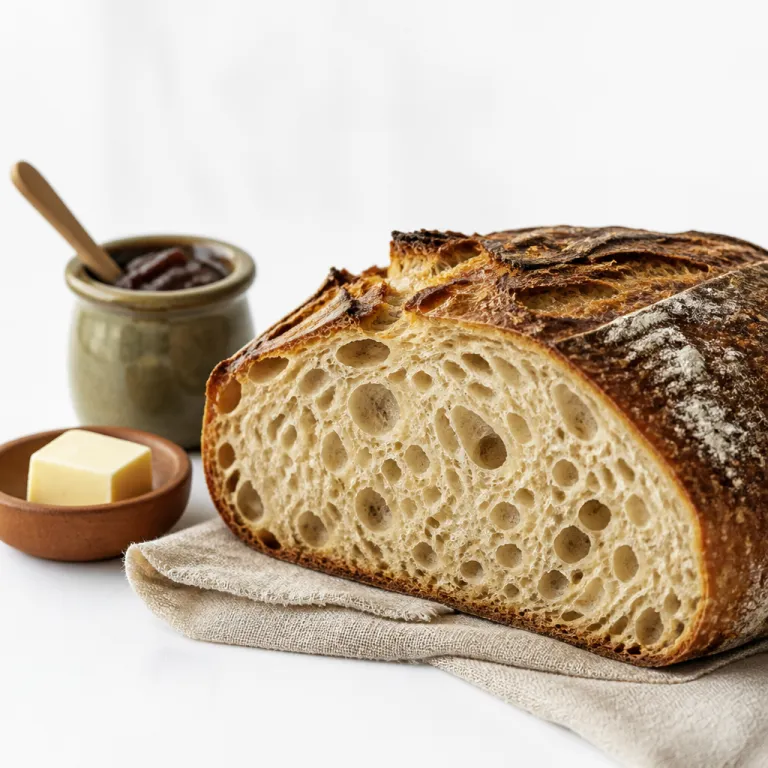
Why breakfast is the most honest measure of a gastronomy hotel
The dinner tasting menu wins the headlines, but the first breakfast tells you whether a luxury hotel really lives its food philosophy. When you sit down in the quiet morning light and the first coffee, fruit plate and bread basket arrive, the gap between marketing and reality suddenly opens wide. A serious food-led hotel is revealed here, at the moment when the kitchen can no longer hide behind dimmed lights, long lead times and theatrical dinner service.
Hospitality consultant James Hacon often notes that breakfast reflects a hotel's service standards and operational discipline, because it compresses high volume, short service windows and limited recovery time into a single sitting. That idea should shape how you book your next stay, because the morning meal exposes sourcing, training and management in a way dinner rarely does. When you compare hotel breakfasts across different properties, you quickly see that the best addresses treat the first meal of the day as a signature service, not a contractual obligation tagged as breakfast included in the room rate.
Industry data backs this up, with around three quarters of guests choosing to eat on property in the morning, a figure echoed in recent F&B For Travel reporting on hotel breakfast trends published in 2023. That concentration of demand turns the morning buffet into both a revenue engine and a reputational risk. For business-leisure travelers extending a work trip, that first hotel breakfast often sets the tone for the whole day. If you are keeping notes for future travel, start by observing how the team handles the basics before you are tempted by more theatrical breakfast buffets and elaborate brunch spreads.
What separates a gastronomy hotel breakfast from a standard luxury spread
Not every luxury hotel breakfast deserves to be considered a benchmark for food-focused travelers. The difference lies in how the kitchen treats the morning as a real service, with a chef present, a clear menu and a sourcing story that goes beyond generic buffet trays. When breakfast at a property feels like an afterthought, you can be sure the hotel’s gastronomic ambitions stop at the profitable dinner sitting.
In true gastronomy-focused luxury hotels, the bakery is the first test, because the croissant or morning brioche tells you everything about the chef’s priorities. If the bread basket arrives warm, with a crisp crust and a tender crumb, you are likely in one of the top hotels for food lovers, where the buffet is curated rather than piled high. When the morning spread is dominated by industrial pastries and anonymous fruit, you are looking at a property that talks about cuisine but treats daily breakfast as a cost center.
Look for short, seasonal menus that change with the day and the market, not laminated cards that never move. A serious hotel breakfast will highlight fresh fruit from nearby farms, smoked salmon cured in house and eggs from named producers, and the team will happily share details without needing to check a script. When you book your next stay, read guest reviews that mention the morning service specifically, because those comments often reveal more than glossy photos of a view hotel or a dramatic dining room.
The bakery test and the anatomy of a meaningful breakfast buffet
Walk into the breakfast room and let your nose lead the way before you even open the menu. If the air carries the scent of butter, coffee and just-baked bread rather than reheated oil, you are already in better-than-average territory for any food-driven hotel. The bakery test is simple: one croissant, one slice of country loaf and one plain pastry tell you whether the kitchen is serious.
In the best hotel dining rooms, the breakfast buffet is edited, not endless, with a tight selection of viennoiseries, fresh fruit, charcuterie and cheeses that look as if someone actually tasted them that morning. You should see at least one or two hot dishes cooked to order, because a real buffet is not a row of chafing dishes but a stage where the chef can show restraint and precision. When the spread includes house granola, cultured butter, seasonal compotes and a plate of smoked salmon sliced to order, you are in a property where the morning programme matters and the buffet layout has been designed with both flavor and flow in mind.
Pay attention to how the team handles refills and temperature, because a luxury hotel that cares will never let eggs congeal or pancakes dry out under heat lamps. The best hotels use smaller platters and replenish frequently, which keeps the display looking fresh and reduces waste at the same time. If you are writing notes while you travel, mark down whether the buffet opens on time, how quickly coffee arrives and whether the staff offer to share off-menu options unprompted.
Regional breakfast models that define true gastronomy hotels
Across Asia, Europe and the United States, the most ambitious hotels use breakfast to express place, not just to fill plates. Japanese luxury properties often lead the field, with kaiseki-style breakfast served in lacquered trays, where grilled fish, miso soup, pickles and seasonal vegetables turn the morning into a quiet ceremony. For a traveler building a personal shortlist of gastronomy-led hotels, these morning trays show how a first meal can be both deeply local and impeccably disciplined.
In the Nordic countries, the smorgasbord tradition shapes breakfast buffets that feel like miniature markets, with rye breads, cultured dairy, cured fish and berries that change with the seasons. Southern Europe offers another model, where a Mediterranean table opens with tomatoes, olive oil, cheeses and pastries that rival the best city bakeries, especially in French and Italian luxury hotels that take viennoiserie seriously. When breakfast included in the rate looks like this, you understand why many guests choose to start the day on property rather than searching outside.
In the United States, the most interesting examples often appear in urban gastronomy-focused properties, where Sunday brunch has evolved into a weekly showcase for the kitchen. A thoughtful guide to food-centric hotels will highlight places where brunch is not just a bottomless drink promotion but a structured progression of plates, from oysters to smoked salmon and eggs to pastry. Whether you are in New York, Tokyo or along the Mediterranean, the same rule applies: the more the breakfast reflects local markets and traditions, the more seriously the hotel takes its culinary mission.
Business leisure priorities: why the morning table matters more than dinner
For the executive who flies in for meetings and then stays the weekend, breakfast is often the only unhurried meal of the day. You might arrive late, skip dinner or eat with clients off property, but you will almost always sit down to at least one hotel breakfast before you check out. That is why any evaluation of a food-forward hotel aimed at business-leisure travelers should focus less on tasting menus and more on the morning table.
When you book a room on a corporate rate, pay close attention to whether breakfast included is a full programme or just a token credit against a limited menu. Properties that invest in daily breakfast with a dedicated chef, a clear à la carte list and a compact buffet usually deliver better overall service, because the same discipline carries into housekeeping and front office. If the hotel offers a small window of free time between meetings, the ability to sit by a window with a proper coffee, fresh fruit and a plate of eggs cooked exactly as requested becomes a genuine luxury.
Look for hotels where the breakfast room opens early enough for international calls and where the team can share the bill quickly without fuss. In cities like Las Vegas, where late nights dominate the marketing, the real differentiator for a business-leisure guest is often a quiet corner at a view hotel serving a restrained, high-quality buffet. When you read reviews or a trusted editorial guide, pay attention to comments about noise, Wi‑Fi reliability and table spacing, because these details matter as much as the smoked salmon when you are trying to start the day with a clear head.
How to evaluate a gastronomy hotel by its breakfast before you book
You can assess a property’s morning ambitions long before you arrive, if you know where to look. Start with the website and check whether breakfast has its own page, clear hours, a sample menu and explicit mention of à la carte service as well as any buffet. A serious food-focused hotel will always publish real menus rather than generic promises of a continental spread.
Next, read independent reviews and rankings from titles such as Condé Nast Traveler, which often mention whether a place is considered the best hotel in its city for food-focused guests. When you see repeated praise for daily breakfast, thoughtful Sunday brunch and attentive morning service, you are likely looking at one of the top luxury hotels for gastronomy, whether it is a Park Hyatt in a financial district or a Four Seasons hotel in a resort setting. For a deeper perspective on how chef partnerships shape these programmes, analysis from hospitality specialists on chef-branded restaurants offers useful context on how marketing and kitchen reality can diverge.
Finally, contact the property directly before booking and ask specific questions about the buffet, the availability of fresh fruit, the handling of dietary needs and whether any free upgrades or credit apply to the morning service. The way the reservations team answers will tell you a great deal about training and priorities, and a thoughtful response is often a better sign than any glossy photo of smoked salmon by a window. When you build your own reference list over time, keep notes on which hotels open their morning room on time, which ones share clear information and which ones quietly downgrade breakfast once you have already made your booking.
Case studies: from las vegas spectacles to quiet park hyatt precision
Some destinations make the contrast between show and substance especially clear, and Las Vegas is one of them. On the Strip, you will find every kind of breakfast buffet, from all-you-can-eat lines with champagne towers to more restrained spreads in a luxury hotel that caters to conference guests and high rollers. A careful observer will distinguish between sheer volume and real quality, noting where the morning selection includes properly poached eggs, fresh fruit and smoked salmon rather than endless trays of lukewarm dishes.
By contrast, urban properties under the Park Hyatt flag often focus on precision rather than spectacle, with compact breakfast menus, carefully edited morning spreads and a quiet dining room that suits business meetings. In these hotels, the room usually opens early, the staff know how to share the bill efficiently and the coffee arrives within minutes, which matters more than any theatrical buffet for a guest trying to start the day before a full schedule. When such a property is also recognised by Condé Nast Traveler’s annual Readers’ Choice Awards or similar rankings, you can be confident that its daily breakfast is not just a line item but a core part of the guest experience.
Across both resort and city hotels, the same test applies: does the breakfast room feel like an afterthought or a place where the chef’s standards are visible on every plate? As you refine your own sense of what defines a true gastronomy hotel, you will start to see patterns in how the best properties handle Sunday brunch, whether they offer meaningful breakfast-included options and how they use the morning to express their culinary identity. Over time, you may find that the places you return to are not the ones with the loudest dinner restaurants, but the ones where a quiet table by the window, a small buffet and a perfectly judged plate of eggs feel like the real definition of luxury.
Key figures that show why breakfast defines a gastronomy hotel
- Around 75% of hotel guests choose to eat on property in the morning, which makes breakfast the single most attended meal service in many hotels and a critical driver of both revenue and reputation, according to recent F&B For Travel analysis of hotel breakfast trends published in 2023.
- Industry research from hospitality consultancies such as WATG and DLR Group indicates that roughly 60% of luxury travelers prioritise hotels with strong restaurant programmes, yet breakfast quality is rarely highlighted in marketing materials, creating a gap between guest priorities and hotel messaging.
- Properties that include breakfast in the room rate often see higher guest satisfaction scores for overall stay quality, because a well-executed morning service shapes the first impression of the day and reduces friction around payment and check signing.
- Expert analysis from Think Hospitality and AFAR has highlighted how hotels that introduce chef-led breakfast stations, digital menus and waste-reduction tactics can improve both guest satisfaction and operational efficiency in the morning period.
- Global benchmarking shows that Japanese hotels offering kaiseki-style breakfast and European properties with in-house bakeries consistently rank among the top performers in guest reviews that mention hotel breakfasts specifically, particularly in surveys conducted between 2019 and 2023.
FAQ: reading a gastronomy hotel through its breakfast
Why is breakfast such a reliable indicator of a hotel’s quality?
Breakfast is operationally complex, with high guest volume in a short window and limited time to correct mistakes, so it exposes training, sourcing and management discipline. Because most guests eat at least one hotel breakfast on property, the morning service shapes overall perception more than a single dinner. When breakfast is calm, precise and generous, it usually signals a well-run hotel across all departments.
What should I look for in a breakfast buffet at a gastronomy focused hotel?
Focus on quality over quantity, starting with bread, pastries and fresh fruit that look and taste as if they were prepared that morning. Check whether hot dishes are cooked to order or left to dry out under heat lamps, and whether staff replenish small platters frequently instead of piling food high. A thoughtful buffet will also reflect local produce and traditions rather than offering the same anonymous spread you could find anywhere.
How can I evaluate a hotel’s breakfast before I make a booking?
Read the hotel’s own website to see if breakfast has a dedicated page with real menus, then cross-check guest reviews that mention the morning service specifically. Look for comments about service timing, coffee quality and how dietary requests are handled, because these details reveal more than staged photos. If breakfast matters to you, email or call the hotel with precise questions and pay attention to how clearly and promptly the team responds.
Are hotels that include breakfast in the rate always better for food lovers?
Not always, but properties that build breakfast into the rate often treat it as a core part of the experience rather than a marginal add-on. When breakfast included is clearly described as a full programme rather than a minimal continental tray, it can be a sign that the hotel invests in its morning service. You should still check menus and reviews, because some of the best gastronomy hotels offer both inclusive and à la carte options depending on room category.
Which regions currently set the benchmark for gastronomy driven hotel breakfasts?
Japan is widely regarded as a leader, with kaiseki-style breakfasts that apply fine-dining discipline to the morning meal. Parts of Europe, especially France and the Nordic countries, also stand out thanks to in-house bakeries, strong dairy and charcuterie traditions and a focus on seasonal produce. In major American cities, a growing number of luxury properties now treat breakfast and Sunday brunch as serious culinary showcases rather than routine service.