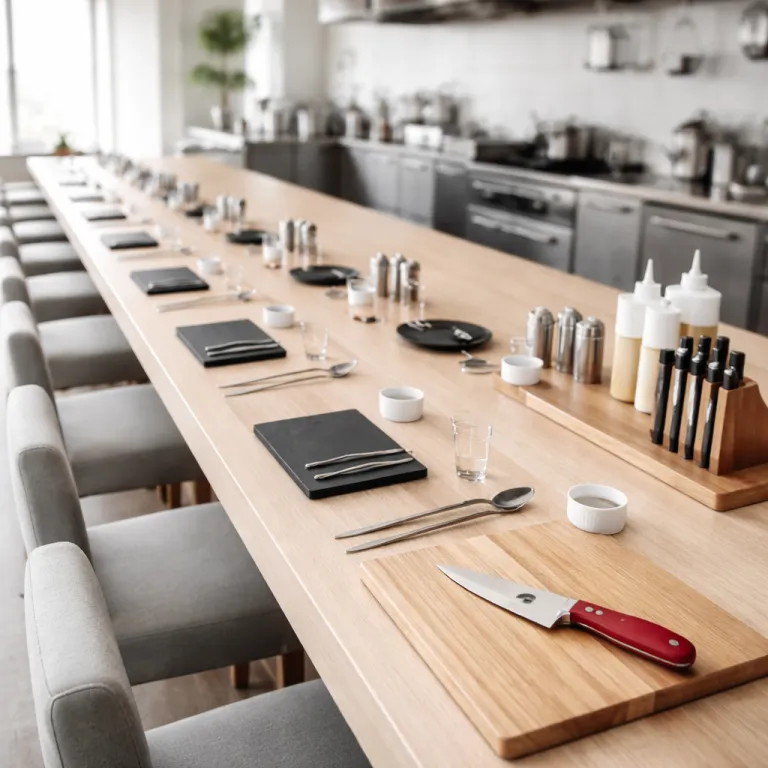
Why a 12 seat counter now defines the luxury hotel restaurant
A counter dining hotel restaurant changes how you remember a stay. In a luxury hotel the twelve seat counter becomes theatre, tasting room and concierge desk in one, while the rest of the restaurant quietly handles room service and the hotel buffet with practiced grace. That intimacy means every counter seat feels like the best table in the house.
Capella Kyoto’s SoNoMa by SingleThread shows how a small counter can outshine a large dining area. The three Michelin star parent in Sonoma brings its farm led philosophy to a compact restaurant counter where guests watch each course plated across a marble bar counter that feels more like a chef’s studio than a commercial outlet. You are not just near the open kitchen ; you are effectively seated inside it.
This format does what a 60 seat hotel restaurant rarely can. The chef team controls every plate, every wine station, every interaction across the counter, while service staff move with the precision of a Japanese train through the narrow interior area behind. For solo travelers, the counter dining hotel restaurant becomes both cafe and bar, a place where the design encourages quiet conversation with the chef rather than forced small talk with neighbouring tables.
In Charlotte, Michelin starred Counter shows how this intimacy scales emotionally, if not physically. There, bar style seating and a long restaurant counter turn a simple room into a modern stage for interactive presentations, curated wine pairings and multi sensory meals that feel far removed from a standard hotel breakfast buffet. The lesson for any modern hotel is clear ; a focused counter can carry the brand further than a sprawling dining room ever will.
Inside the counter format: labour, cost and the new luxury maths
Behind the romance of a counter dining hotel restaurant sits hard arithmetic. A twelve seat counter lets a luxury hotel run a high touch tasting menu with a smaller équipe, because every chef on the line also works the bar counter, explains dishes and reads the room in real time. That direct contact reduces the need for layers of commercial management on the floor and keeps labour tightly aligned with revenue.
Food costs follow the same logic. With one seating and a fixed number of guests, the kitchen can design a menu that uses whole animals, preserves and ferments, and turns trim into snacks at the buffet station or cafe area the next morning, instead of over ordering for a half empty dining room. In a modern hotel this closed loop approach quietly improves ROI while still allowing the hotel restaurant to feel generous and unhurried to the guest.
The physical design of the counter matters just as much as the numbers. A well planned marble restaurant counter with integrated induction, chilled display wells and a hidden service station lets chefs work cleanly in front of guests, while the interior design guides sightlines away from any buffet counter or service doors. When the counter is aligned with the reception axis, guests feel the energy of the kitchen from the moment they enter the open lobby area.
For travelers choosing between a luxury hotel and a rental, this format changes the value proposition. You are paying not only for a guest room but for guaranteed access to a nightly performance at the counter, where the furniture, lighting and sound are tuned to the rhythm of the menu. For more on how dining rooms now anchor the stay, see this analysis of how hotel dining rooms quietly replaced the lobby as the true social heart of the property on gastronomy stay.
The halo effect: how twelve seats move an entire property
When a counter dining hotel restaurant becomes the talking point, everything else in the property shifts. Guests who secure one of the twelve seats at SoNoMa by SingleThread or at a place like Counter in Charlotte tend to book earlier, stay longer and spend more at the bar and cafe before and after their meal. That behaviour lifts bar counter revenue, lobby perception and even the rate the revenue team can command for the surrounding guest room inventory.
The halo extends into the morning. A hotel breakfast served in the same restaurant space where the counter glows at night suddenly feels elevated, even if the buffet station still offers familiar pastries and fruit beside a modest buffet counter. Guests who watched chefs work the marble restaurant counter the night before now read the hotel buffet as an extension of that craft, not as a generic commercial spread.
This is where interior design strategy becomes critical. When the counter sits within sight of the reception area, the open kitchen energy bleeds into check in, making arrivals feel more like entering a private club than a transit hub. Even a simple cafe style station with thoughtful furniture and a small display of local produce can echo the counter’s ethos and encourage guests to linger rather than skip content and head straight to their rooms.
For independent travelers used to private chefs in villas or ocean view rentals, the counter format offers similar intimacy without sacrificing hotel infrastructure. Articles on elevated culinary hotel experiences for discerning travelers often highlight this blend of privacy and access, because a strong counter concept lets a luxury hotel compete with high end home rentals on experience, not just on square metres. That is why operators now track the impact of counter bookings on RevPAR as closely as they once tracked spa appointments.
The booking problem: why the counter is sold out before photos
Ask any reservations team at a property with a serious counter dining hotel restaurant and you will hear the same story. Those twelve seats are often fully committed by the time the hotel opens, held by early adopters, loyalty members and guests who plan their entire trip around the counter. The hotel restaurant may still have space in the main dining area, but the counter becomes a kind of internal currency.
Part of the demand comes from the format itself. Counter dining in hotel restaurants offers guests an interactive meal at a bar style seating area, and that promise of direct chef interaction is scarce by design, which makes it feel even more luxurious. When you add a three Michelin star parent like SingleThread or a Green Star operator such as Counter in Charlotte, the perceived value of each restaurant counter seat climbs further.
Digital behaviour amplifies the effect. Guests share images of the marble bar counter, the open station, the carefully lit display of ingredients and the chef leaning over the table to finish a course, long before they post a photo of their guest room. That social proof means future guests will fight harder for the counter, even if they might happily skip content from the rest of the hotel on their feeds.
For travelers, the lesson is practical. Reserve in advance, check dress codes and inquire about dietary accommodations as early as you book your room, because the counter often runs on a different calendar from the hotel buffet or cafe. If you cannot secure a seat, consider a nightcap at the bar that overlooks the counter or a lunch service at the same station, where you can still feel the energy of the kitchen without the pressure of the full tasting menu.
Three counter led hotel restaurants worth planning a trip around
Some counters are now destinations in their own right, reshaping how we plan hotel stays. SoNoMa by SingleThread at Capella Kyoto is the clearest example, a twelve seat counter dining hotel restaurant where Japanese seasonality meets Californian farm logic across a marble bar counter that feels almost residential. The surrounding modern hotel quietly supports the show with calm guest room corridors and a restrained reception area that never competes with the glow of the open kitchen.
In Singapore, Raffles has taken a different path with 1887 by André, chef André Chiang’s counter driven homage to Victorian era ritual and Singaporean flavours. Here the restaurant counter is framed by heritage interior design, with dark wood furniture, soft cafe style lighting and a small buffet station used more for theatrical displays of ingredients than for volume service. The result is a luxury hotel experience where the counter becomes a narrative device, linking colonial architecture with a fiercely contemporary palate.
Across the United States, the logic extends beyond obvious gastronomy capitals. At The Hotel Salem in Massachusetts, a compact counter inside a design forward hotel restaurant shows how even a regional property can use a bar style station to anchor its identity, much as Disney’s Contemporary Resort once did with its own counter concepts. Travelers who might once have driven past Salem on the way to larger cities now plan a night specifically to sit at that counter and then explore the surrounding cafe and bar area the next morning.
Even in places like Cheyenne Wyoming, where Hotel Cheyenne and other properties lean on Western themes, the next wave of luxury hotel projects is already sketching out marble counters, open kitchens and intimate dining stations rather than sprawling banquet halls. For solo explorers, these counters offer a reliable way to tap into local culture without sacrificing the comforts of a full service hotel, from a thoughtful hotel breakfast to a well stocked bar late at night. For more on how private chef style formats migrate into hospitality, see the analysis of how private chefs elevate ocean view vacation rentals in California on gastronomy stay.
FAQ
What is counter dining in a hotel restaurant ?
Counter dining in a hotel restaurant means sitting at a bar style counter facing the open kitchen, usually with a fixed tasting menu and direct interaction with the chefs. It differs from a standard table in the dining room because the restaurant counter becomes both stage and service station, concentrating attention on each course. This format suits individuals or small groups rather than large parties, which keeps the experience focused and personal.
How should I book a counter seat at a luxury hotel ?
Treat the counter dining hotel restaurant as a separate reservation from your guest room and secure it as early as possible, ideally when you first confirm your stay. Many hotels allocate counter seats to in house guests first, but the small capacity means they still sell out quickly, especially when a Michelin starred chef is involved. If online booking shows no availability, contact the hotel directly and ask to be waitlisted for cancellations.
Is counter dining suitable for groups or families ?
Most counter formats in luxury hotels are designed for individuals, couples or very small groups, typically up to four guests seated side by side. The linear bar counter layout and the chef guided pacing make it difficult to accommodate larger parties without disrupting the flow of service. Families with young children may be more comfortable in the main dining area or cafe, where the hotel buffet and table layout are more flexible.
How does a counter restaurant affect the rest of the hotel ?
A successful counter concept often becomes the signature of the property, lifting demand for the hotel restaurant, the bar and even the hotel breakfast service. Guests who book the counter tend to arrive earlier, spend more time in the lobby and bar area, and share more content from the hotel on social media. That halo effect can justify investment in better interior design, marble counters, upgraded furniture and more ambitious menus throughout the property.
Which hotels currently offer notable counter dining experiences ?
Examples include Capella Kyoto with SoNoMa by SingleThread, Raffles Singapore with 1887 by André and The Hotel Salem in Massachusetts, each using a counter to define its culinary identity. Outside the hotel sector, Michelin starred Counter in Charlotte, North Carolina, shows how a focused counter concept can anchor an entire dining destination. Hotels in emerging markets, from New England to places like Cheyenne Wyoming, are now studying these models as they plan the next generation of luxury hotel restaurants.
Sources
Wikipedia ; Operators Edge trend reports ; Michelin Guide.