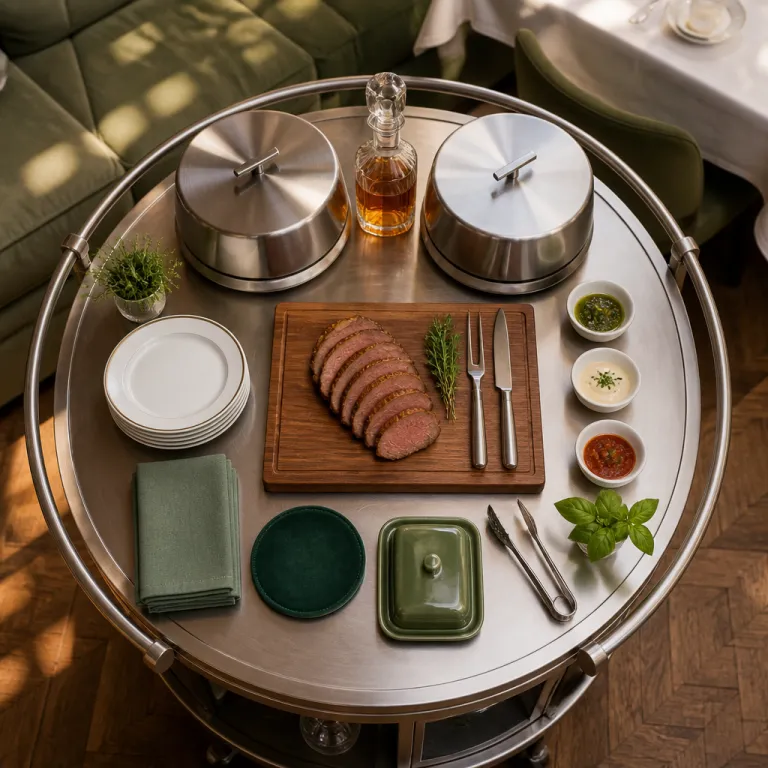
From forgotten ritual to family theatre in the dining room
Tableside service in luxury hotels began as a French ritual of precision and poise. Over time, this style of hospitality faded as labour costs rose, staffing tightened and fashion shifted towards stripped back hotel dining with shorter menus. Now the pendulum has swung again, and families booking a luxury hotel are finding that the most memorable part of the stay often happens beside the table rather than in the room.
For years, many hotel restaurants chased tasting menus and Nordic minimalism, quietly pushing the gueridon trolley into storage. The renewed focus on preservation, cooking over fire and highly personalised service has changed that equation in hotel dining rooms from New York City to Las Vegas. Inspectors and guests alike now talk about how carving, flambéing and assembling small plates tableside turn a standard dinner into an immersive experience that feels tailored to each guest.
Industry data backs up what families already sense when they book these hotels for food led stays. A recent hospitality report notes an increase in tableside service offerings of 15 %, while a dining trends survey records a customer satisfaction rate of 92 % for these performances. One expert summary captures the shift clearly : "Tableside service involves preparing or finishing dishes at the diner's table, enhancing the dining experience."
Cost once killed the trolley, because tableside service demands time, training and a larger front of house équipe. Fashion finished the job, as hotel restaurants tried to look more like casual city spots and less like grand hotel dining rooms with silver cloches. The current revival in tableside service luxury hotels shows that when guests travel for food, they are willing to pay for visible craft, not just for a room category or a long wine list.
Families now use social media to share short clips of crêpes Suzette igniting in a controlled blaze of blue fire beside the table. Children who might fidget through a conventional hotel restaurant meal sit rapt as a server wheels over a trolley and explains each ingredient before cooking. For parents, that mix of calm, spectacle and precise service is often worth more than another anonymous room service tray eaten in front of a tablet.
Why the trolley vanished, and what brought it back to hotel dining
To understand the new glamour of tableside service luxury hotels, it helps to remember why the trolley disappeared. In many grand hotels, the cost of maintaining a fully trained guéridon team no longer matched the revenue from traditional hotel dining, especially when guests preferred quick small plates at the bar. Management cut back on carving stations and flambé desserts, and the dining room became quieter, more efficient and, for many families, less memorable.
Staffing pressures also played a role, because true tableside service requires servers who can carve, season and finish cooking with confidence in front of guests. As hospitality shifted towards casual formats, fewer young professionals learned how to handle a carving knife or flambé pan in a crowded hotel restaurant. The result was a generation of hotel restaurants that leaned heavily on tasting menus, where the kitchen controlled every plate and the dining room team mainly carried food and beverage from pass to table.
The revival began when luxury hotel groups realised that guests were willing to book a hotel specifically for a vivid restaurant experience. Michelin inspectors have highlighted the renewed presence of caviar trolleys, Champagne carts and cheese guéridons in fine dining rooms, noting that they differentiate hotel restaurants from independent city venues. For families, these rolling rituals turn a formal hotel dining room into a kind of stage, where the club like hush is broken by the gentle rattle of china and the soft roar of a flambé fire.
Pricing has adapted too, and the trolley now often replaces, rather than adds to, the cost of a long tasting menu. At some properties, a caviar cart supplements the à la carte menu, while at others the tableside carving of a roast or whole fish becomes the centrepiece of a shared family meal. When you compare the bill to a conventional tasting menu with multiple wine pairings, the tableside format can feel like better value, especially when the experience keeps children engaged for the entire evening.
For travellers weighing whether a hotel restaurant is worth the room supplement, this shift matters. On gastronomy focused platforms, you will increasingly see reviewers ask whether the hotel restaurant justifies the stay or whether it belongs in the category of a dining room that is not actually worth the room supplement, a question explored in depth in this analysis of when a hotel restaurant is not worth booking a room for. Tableside service, when executed with grace, often tips that balance in favour of booking the property, because the restaurant becomes a destination in its own right for both guests and local diners.
The new language of trolleys : caviar, Champagne, cheese and fire
Walk into the right luxury hotel today and the first thing you notice in the dining room is movement. A Champagne trolley glides between tables, a cheese cart waits near the bar, and a dessert guéridon stands ready for a final act of fire. These rolling stations are not nostalgic props ; they are working tools that reshape how families experience hotel dining in both america hotel icons and newer openings.
Caviar trolleys have become the emblem of tableside service luxury hotels, especially in New York City and Las Vegas. A server wheels over crushed ice, tins and blini, then guides guests through a short tasting, turning what could be a static appetiser into a shared lesson in sourcing and texture. For parents travelling with teenagers, this kind of guided tasting menu moment can feel more relaxed than committing to a full sequence of tasting menus in a hushed fine dining room.
Cheese carts and dessert trolleys bring a different rhythm, particularly in family friendly hotel restaurants where younger guests might tire before the end of a long meal. Instead of reading a dense menu, children point to wheels of cheese or trays of pastries, while the server explains each choice and plates portions tableside. The act of choosing from a moving display turns dessert into a game, and the gentle theatre of flambéed crêpes or baked Alaska finished with fire keeps phones on the table only for quick social media photos.
Tea trolleys and digestif carts are also returning, especially in grand properties such as Waldorf Astoria hotels where afternoon tea has always been part of the hospitality DNA. Here, the ritual of selecting loose leaf tea, watching it measured and poured beside the table, and pairing it with small plates of pastries feels like a compact, family friendly tasting menu. Parents can relax while children explore flavours, and the whole experience often costs less than a full afternoon in a private club restaurant or members club.
For travellers who care about where their food comes from, the trolley renaissance dovetails with a broader move towards visible sourcing. Some properties now pair tableside service with guided walks through the kitchen garden before dinner, a trend explored in this feature on kitchen garden tours that precede service. When children have seen the herbs and vegetables in the soil, watching them chopped and finished tableside in the hotel restaurant becomes a complete immersive experience rather than a passing flourish.
Family advantage : how tableside theatre changes the stay
For premium families, the real power of tableside service luxury hotels lies in how they reshape the evening rhythm. A traditional fine dining tasting menu can feel like a marathon when you are managing bedtimes, screen limits and jet lag. By contrast, a meal structured around a few shared dishes and one or two tableside moments keeps the pace flexible while still feeling like a special hotel dining experience.
Children respond instinctively to movement and story, which is why a trolley rolling through the dining room can calm a restless table faster than another colouring sheet. When a server prepares small plates of steak tartare or Caesar salad beside the table, explaining each ingredient and step, younger guests feel included rather than shushed. Parents can talk with the team about spice levels, portion sizes and timing, turning the service into a personalised choreography that respects both appetite and attention span.
In destinations such as New York and San Francisco, where families often combine city sightseeing with stays in a central luxury hotel, this kind of dining room theatre can become the highlight of the day. A caviar trolley before a Broadway show in New York City, a flambéed dessert after a cable car ride in San Francisco or a tea cart ritual between pool time and bedtime in Las Vegas all anchor the trip in memory. The hotel becomes more than a place to sleep ; it becomes the stage on which the family’s food stories unfold.
Room service still has its place, especially after long haul flights or with very young children, but it rarely delivers the same sense of occasion. Many america hotel properties now design family packages that include one night of in room dining and one night of tableside service in the main restaurant, giving guests a choice between privacy and theatre. Parents often report that the night with the trolley feels like better value, because the children talk about it for months and the photos circulate on family social media feeds.
Wine pairing has also evolved in this context, with some properties using the trolley format to introduce parents to new regions while keeping the focus on the shared family table. For travellers who choose a property specifically for its sommelier, this approach aligns with the philosophy outlined in the guide to booking hotels for serious wine pairing. The key is that the wine, the food and the tableside service all support the same goal : a relaxed, memorable evening where every guest at the table feels considered.
Training, pricing and five hotels where the trolley truly matters
The return of tableside service luxury hotels has forced a quiet revolution in training. Front of house teams who once focused mainly on carrying plates now learn carving, flambé techniques and the choreography of moving a trolley through a crowded dining room. Chefs and servers effectively become co performers, with the kitchen preparing elements and the service team finishing the cooking and plating in front of guests.
Hotels that take this seriously invest in structured programmes, often pairing new staff with senior servers who remember the last era of guéridon service. They practise handling fire safely, timing the arrival of trolleys between courses and adjusting the script for different types of guests, from business travellers to families with small children. The result, when it works, is a style of hospitality where the line between restaurant and theatre blurs, but the focus on food quality never wavers.
Pricing varies by property, yet a few patterns have emerged in leading hotel restaurants. Some charge a supplement for specific tableside dishes, such as a flambéed dessert or a carved roast, while others build the cost into a set menu that includes one or two trolley moments. For families comparing options, it is worth asking whether the tableside elements replace part of a tasting menu or sit on top of it, because that difference can significantly change the final bill.
Several hotels now stand out for credible, family aware tableside service. In New York, the Surf Club Restaurant at the Four Seasons Hotel New York Downtown has revived classic guéridon moves with a modern menu that balances small plates and larger sharing dishes. On the West Coast, properties in San Francisco have introduced caviar and Champagne trolleys that glide between tables in hotel bars and main dining rooms, turning pre theatre drinks into full hotel dining experiences.
Further afield, Waldorf Astoria Las Vegas offers a refined take on tableside cocktails and desserts in its club level restaurant and bar, while an america hotel classic in Miami runs a surf club themed dining room where grilled seafood is finished tableside. In each of these hotels, the trolley is not a gimmick but a core part of the food and beverage identity, encouraging guests to book the hotel for the restaurant as much as for the room. For families planning their next trip, asking about tableside options when they book can be the difference between another generic hotel dinner and an evening that becomes the story of the holiday.
FAQ
What exactly is tableside service in a hotel restaurant ?
Tableside service in a hotel restaurant means that part of the cooking, carving or finishing of a dish happens beside your table rather than entirely in the kitchen. A server might prepare a salad, carve a roast, assemble a dessert or pour sauces from a trolley in the dining room. The goal is to enhance the dining experience through interaction, personalisation and a sense of theatre.
Why is tableside service becoming popular again in luxury hotels ?
Guests are seeking more immersive experiences when they book a luxury hotel, and tableside service delivers visible craft and personal attention. Industry data shows a clear rise in these offerings and very high satisfaction scores, which encourages more hotels to invest in training and equipment. For families, the theatre of trolleys and flambéed dishes also keeps children engaged, making dinner feel like an event rather than an obligation.
Which dishes are most often prepared tableside for families ?
Classic dishes such as Caesar salad, steak tartare, carved roasts and flambéed desserts remain the backbone of tableside service. Many hotel restaurants also use trolleys for cheese selections, caviar service, tea rituals and dessert assemblies that can be adapted for younger guests. These formats work well for families because they encourage conversation and choice while keeping the focus on high quality food.
How should I book a hotel if I want tableside service during my stay ?
When you book, contact the hotel directly or use a specialist gastronomy platform to confirm which restaurants offer tableside service and on which nights. Ask whether specific dishes, such as caviar trolleys or flambéed desserts, need to be reserved in advance, especially in smaller dining rooms. If you are travelling with children, mention ages and preferences so the team can suggest the most suitable time and format.
Is tableside service suitable for children and multi generational trips ?
Tableside service can be very suitable for children, because the movement of trolleys and the storytelling from servers hold attention better than static courses. Many luxury hotels adapt seasoning, portion sizes and pacing for younger guests while keeping the overall experience refined. For multi generational trips, sharing a carved roast or cheese trolley selection often becomes a relaxed way to bring different ages together around one table.