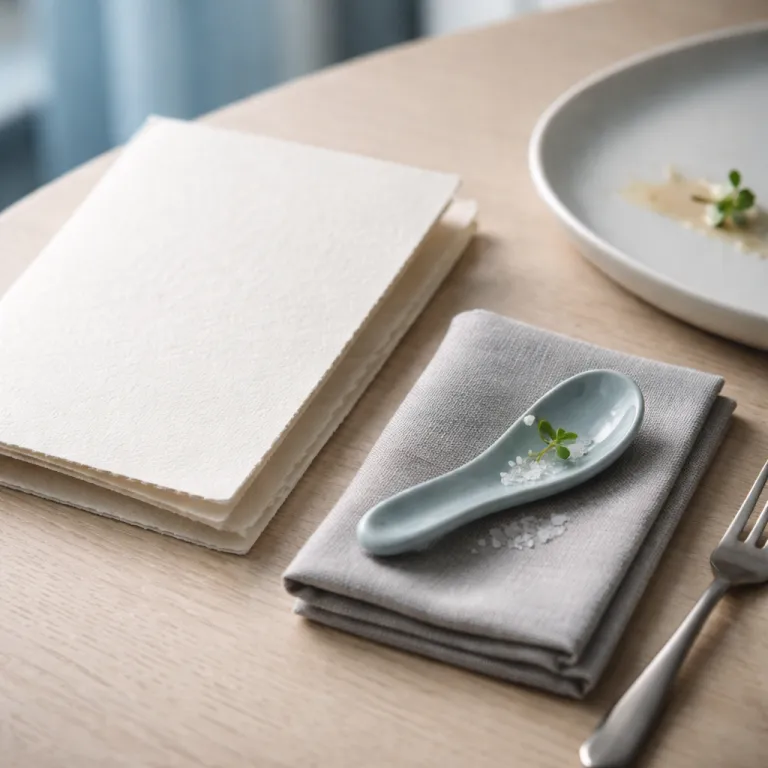
Why learning how to read a hotel menu changes your stay
Reading a hotel menu with a critic’s eye turns every stay into a curated tasting. When you understand how to interpret a hotel restaurant menu, you can judge the kitchen before a single plate reaches your table and decide whether this is a quick breakfast stop or a destination restaurant worth rearranging your day around. In luxury gastronomy hotels, menus are not just lists of food but quiet manifestos about sourcing, technique, and how seriously the team treats every customer at every table.
Start with the overall restaurant menu layout, because serious dining rooms guide guests through breakfast, lunch, and dinner with calm clarity rather than chaotic design. Look for a clear separation between the breakfast menu, the regular menu for lunch and dinner, and any dedicated evening tasting menu, since this signals that the kitchen has thought about the rhythm of the day instead of stretching the same dishes across all hours. When a hotel publishes separate menus for Sunday brunch or a special Mother’s Day lunch, as you might see at The Connaught in London or The Peninsula in Tokyo, you are seeing a kitchen that understands occasion and pacing, not just food and beverage revenue.
High level properties now use both printed menus and digital menus, and the best versions of each help you read quickly without confusion. Digital menus with interactive features can reveal photos, wine pairings, and symbols for gluten free dishes, while printed cards still set the tone for the room and the service. In either format, review menu sections carefully, because the way the hotel divides starters, mains, and desserts will tell you whether the kitchen is ingredient led or trend led. A concise layout that groups dishes by cooking style or origin, for example “From the Grill”, “From the Garden”, and “From the Sea”, usually reflects a more thoughtful approach than a random list of plates.
Breakfast menus and what they reveal about the kitchen
The first serious test of any gastronomy hotel is the breakfast menu, because breakfast exposes how the kitchen handles volume, timing, and basic technique. When you learn to decode breakfast offerings, you see whether the team respects ingredients at their simplest or hides behind sugary breakfast pastries and generic buffet trays. A thoughtful classic breakfast plate, a precise breakfast buffet layout, and a short list of cooked to order dishes say more about the chef than a long dinner menu full of theatrical sauces.
Scan the breakfast section for clear timing notes such as breakfast hours and whether breakfast and lunch overlap in a lazy Sunday brunch format, since this affects both freshness and crowding. A hotel that states which items are locally sourced, from eggs to dairy to bread, is telling you that the kitchen has real relationships with local producers rather than relying on anonymous deliveries from the west side wholesale district. When you see locally sourced fruit, grains, and coffee or tea listed by origin, such as “single estate Ethiopian filter coffee” or “organic rye from a nearby mill”, you can expect the same care to appear later in the day at lunch and dinner service.
Pay attention to how the restaurant handles dietary information at breakfast, because this is where many properties quietly fail. Clear icons for vegetarian, vegan, and gluten free options, plus a note about whether any items may be served raw or undercooked, show that the hotel respects both safety and choice. If you are unsure about symbols or meal plan codes such as MAP, remember that MAP (Modified American Plan) usually includes room, breakfast, and dinner in the rate, and use hotel staff as partners rather than obstacles when clarifying what is covered.
Reading lunch and dinner menus like a Michelin inspector
By the time you sit for lunch or dinner, the restaurant menu should already have told you whether this is a kitchen chasing trends or a team quietly confident in its craft. Michelin inspectors now praise restraint and ingredient led menus, so when you assess lunch and dinner choices through that lens, you start to value short, focused sections over sprawling lists. A compact selection of starters and mains, with each dish anchored in a specific place or season, usually beats a long regular menu that tries to please every possible customer at once.
Look closely at how fish and meat are described, because generic labels are a red flag in serious restaurants. When a menu simply says “fish of the day” without naming the species, the catch method, or the local boat, you know sourcing is not a priority, while a line that specifies “line caught Cornish mackerel” or “day boat turbot from Brittany” suggests a chef who cares about traceability. The same applies to meat; a dish that lists the farm, the cut, and the ageing, such as “dry aged ribeye from Smithfield Farm, 45 days”, tells you far more than a vague “grilled beef with sauce”.
French culinary terms can be useful shorthand, but when they appear ornamentally across menus without context, they signal insecurity rather than expertise. A serious kitchen will use words like velouté or jus only when the technique is precise, not as decorative flourishes to justify a supplement on a main course. When you see multiple supplements scattered across the dinner menu, especially on already expensive dishes, you are often looking at a hotel restaurant more focused on room supplement style upselling than on coherent food. A quick checklist for lunch and dinner: short menu, clear sourcing, honest pricing, and cooking terms you can picture on the plate.
Hidden signals in gardens, bread, desserts, and wine lists
The most revealing parts of a hotel menu are often the quietest corners, far from the headline main courses. When you pay attention to the bread, dessert, and wine sections, you start to see the full philosophy of the kitchen and the sommelier. A line about the kitchen garden, a note on the bread programme, or a modest dessert list can tell you more about the restaurant than a page of signature cocktails.
Start with the garden; when a menu names a specific garden or rooftop plot, or credits a local grower, it signals a daily relationship with the land rather than a marketing gesture. Serious chefs now walk their gardens before writing the next day’s selection, and that intimacy shows up in dishes built around herbs, leaves, and vegetables rather than heavy sauce. If the restaurant highlights locally sourced seaweed, ferments, or concentrated stocks, or mentions a partner such as a nearby biodynamic farm, you are seeing the structural signals Michelin inspectors now associate with modern high level kitchens.
Then read the bread and dessert sections, which many customers skim but professionals study. A clear bread programme, perhaps with house sourdough served warm and replenished without fuss, shows that the hotel values the table as a stage for hospitality, not just a place to drop plates. Desserts that echo the seasons, avoid sugar overload, and pair thoughtfully with coffee, tea, or digestifs say more about the restaurant’s maturity than a long list of Instagram ready sweets. A menu that moves from “strawberries, basil, and buttermilk” in early summer to “poached pear, walnut, and vanilla” in winter is quietly signalling that the pastry team is in step with the calendar.
Solo diners, bar menus, and reading between the lines
For solo explorers, the most honest expression of a hotel kitchen often appears not in the main dining room but at the bar or counter. Learning to interpret bar food offerings in these spaces helps you decide whether to commit to a full tasting or keep things casual with a focused sequence of plates. The bar menu is where chefs test ideas, refine portions, and serve regulars, so it often reveals more about the restaurant’s soul than the grand dinner menu.
Check whether the bar offers a condensed restaurant menu or a distinct selection of dishes, because a thoughtful edit suggests the kitchen has considered how people actually eat when alone. Look for smaller plates that echo the main food philosophy, perhaps a half portion of a signature dish or a simple plate of locally sourced charcuterie and bread that pairs well with signature cocktails. If the bar team can talk fluently about the food and beverage pairing, from wine to low alcohol options, you are in a hotel where departments communicate rather than operate in silos.
Solo diners should also pay attention to how staff respond to questions about menus, supplements, and dietary needs. When you ask about gluten free options, vegetarian dishes, or whether certain items may be served raw or undercooked, attentive service and clear answers show that the hotel respects individual customers, not just large tables. For a deeper look at how to evaluate extras such as complimentary valet, room inclusions, and special dining packages before you book, explore our guide to elevating your online booking experience for gastronomy hotels and align your expectations with the property’s real strengths.
FAQ
How can I quickly understand a complex hotel restaurant menu ?
Start by scanning the structure of the restaurant menu, then focus on how ingredients are named and sourced. Short, focused sections with clear descriptions usually indicate a confident kitchen, while very long menus with vague labels suggest a more generic operation. If anything is unclear, use hotel staff as guides rather than guessing.
How do I identify vegetarian or gluten free options on hotel menus ?
Most luxury restaurants now use symbols or labels to mark vegetarian, vegan, and gluten free dishes across breakfast, lunch, and dinner menus. These icons are often explained at the bottom of the page or on digital menus with interactive features. When in doubt, ask staff to confirm how each dish is prepared and whether cross contamination is possible.
What does MAP mean when I see it linked to my meal plan ?
MAP is a common hotel code that affects how you read inclusions on the menu. It indicates that certain meals are already covered in your rate, which changes how you evaluate prices for lunch, dinner, or Sunday brunch. Always confirm at check in which courses or restaurant outlets are included.
Are service charges usually included in hotel restaurant prices ?
Policies vary widely between hotels and regions, so never assume that service is included. Some properties fold a service charge into the listed prices, while others add a percentage at the end of the bill. The clearest menus state this explicitly, but if you do not see a note, ask before ordering.
How can I tell if a hotel restaurant is serious about sourcing ?
Look for specific references to locally sourced ingredients, named farms, and precise fishing areas rather than generic terms like “market fish”. Menus that credit gardens, producers, and regions show that the kitchen has real relationships with suppliers. This attention to origin usually translates into better flavour and more thoughtful cooking at every meal of the day.