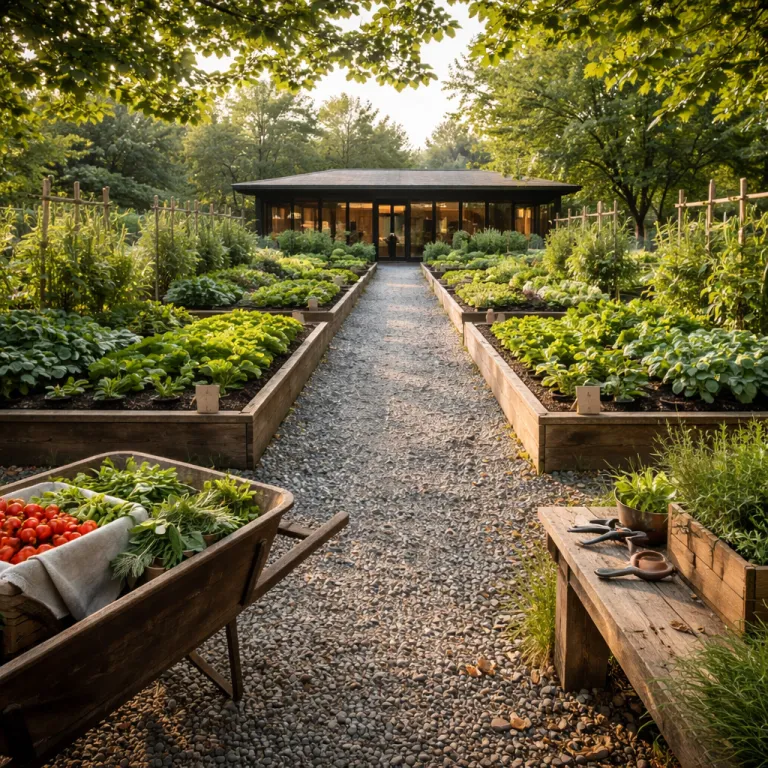
Why the kitchen garden hotel tour is the quiet luxury you want
A serious kitchen garden hotel tour is not a photo stop, it is the pre service ritual that shapes what arrives on your plate. At the best gastronomy hotels, these gardens act as creative engines where the chef, the executive chef and the gardening team decide which seasonal produce and which fruit vegetables will headline tonight’s dining room conversation. For solo guests, that hour between the garden and the restaurant often becomes the most relaxed, human part of the stay.
Across Europe and the United States, hotels with real kitchen gardens now treat the garden tour as a structured programme rather than a concierge favour. You walk the paths with a chef, a horticulturist or a head gardener, hear how the produce grown on site replaces anonymous farm deliveries, and understand why a walled garden or a country house plot can outperform larger farms in flavour. This is experiential gastronomy in its purest form, where the view of the beds, the scent of herbs and the feel of the soil all feed into the tasting menus later that evening.
For a luxury booking platform focused on gastronomy hotels, the challenge is to separate marketing gardens from working gardens that genuinely supply fresh produce to the house hotel kitchen. A meaningful kitchen garden hotel tour will reference composting, pests, failures and crop rotation, not just pretty rows of flowers beside the manor. When you see the chef snip herbs, talk about specific fruit vegetables and point out which produce grown that morning will appear in the starred restaurant or the more relaxed restaurants on site, you know you are in the right place.
Gravetye Manor and the English country house model
Gravetye Manor in West Sussex is the reference point for many garden focused hotels, because its 35 acre garden frames every part of the stay. This historic manor house hotel, once home to the influential gardener William Robinson, treats its kitchen garden and wider gardens as the backbone of both its landscape and its Michelin starred dining room. Here, the kitchen garden hotel tour is scheduled, guided and proudly presented as a core experience rather than an optional extra.
The walled garden at Gravetye Manor supplies a remarkable proportion of the fresh produce and seasonal produce used in the main restaurant and in more informal dining spaces. Guests walk past espaliered fruit, rows of vegetables and herbs, and beds of edible flowers, while the guide explains which produce grown in each section will appear on the tasting menus that evening. You see how a country house garden can outperform many larger farms in diversity, and why the executive chef treats the garden as a daily briefing room rather than a backdrop.
For solo travellers, this kind of garden tour is a social leveller, because everyone is looking at the same beds and asking the same questions about food, not about who they are travelling with. It is also the best way to understand why a starred restaurant charges what it does, as you see the labour, the composting systems and the pest management that sit behind each plate. If you already enjoy immersive culinary journeys such as gastronomy resorts with cooking classes, a structured kitchen garden visit at a manor or castle style property is the natural next step.
From West Sussex to California: where the programme is real
Gravetye Manor is not the only house hotel where a kitchen garden hotel tour is treated as a serious part of the culinary programme. In West Sussex and beyond, a small group of hotels, estates and cultural institutions now run guided garden tours that link directly to the restaurant and to the wider food philosophy. These are the places where the garden, the kitchen and the dining room operate as one system, not three separate departments.
Park Winters in California offers a structured garden tour on Saturdays, typically lasting around two hours, which gives guests time to walk the gardens, taste herbs and understand how the farm style plots support the on site restaurant. The Huntington, a cultural institution rather than a hotel, runs scheduled kitchen garden tours that focus on education, sustainable practices and the story of how local food sourcing can influence both home kitchens and professional restaurants. While these are not all hotels, they set useful benchmarks for what a serious garden programme looks like when you are assessing luxury hotels on a booking site.
On the chef side, properties associated with figures such as Sat Bains show how a michelin starred or starred restaurant can treat its kitchen gardens as laboratories for tasting menus and chef’s table formats. You might walk through a walled garden beside a manor or a country house, hear how the executive chef chooses specific fruit vegetables for fermentation, and then see those same ingredients reappear at dinner. For a broader sense of how these experiences sit within global luxury food travel, look to curated overviews of luxury foodie hotel experiences that highlight where the garden genuinely drives the menu.
What a good kitchen garden tour should include
A worthwhile kitchen garden hotel tour always starts with context, because a garden without a story is just a view. Guides should explain why this particular garden, whether attached to a manor, a castle or a modern house hotel, was laid out in this way, and how the original design has evolved to support today’s restaurant needs. At Gravetye Manor, for example, the legacy of William Robinson is not a marketing line but a working philosophy that shapes how beds are planted and how produce grown on site is used.
Next comes the honest detail that separates serious gardens from ornamental ones, including pests, failures and the logic of composting. You should hear how the team deals with slugs on salad leaves, how they protect fruit vegetables from late frosts, and why certain crops are rotated between different parts of the garden or walled garden each season. This is where the link between farm style practice and fine dining becomes clear, because you see how seasonal produce dictates the tasting menus rather than the other way around.
A strong tour also includes sensory, hands on moments, such as tasting herbs, smelling soil rich with compost and comparing different varieties of the same vegetable. Guides might invite guests to pick a few leaves that the chef will use later, or to identify which beds are destined for the main restaurant and which support more casual restaurants on the estate. For travellers who care about reading a menu with confidence, pairing this experience with guidance on what actually tells you the kitchen earns its stars turns a pleasant walk into a powerful education.
Timing, pricing and how to book as a solo traveller
The most effective kitchen garden hotel tour usually runs around late afternoon, often at 16.00, because that timing lets the chef and gardeners lock in what will appear on the 20.00 plates. You walk the garden when the light is soft, the heat has eased and the team has a clear sense of which produce grown that day is at its peak. By the time you sit down in the restaurant, the memory of the beds, the scents and the textures is still vivid, and the link between garden and dining feels immediate.
For solo guests, this schedule has another advantage, because it turns the tour into a gentle social bridge before dinner. You meet other travellers in a low pressure setting, talk about food and gardens rather than small talk, and often find yourself sharing a table or at least a glass of wine later without the awkwardness of approaching strangers in the bar. Many hotels now recognise this and quietly steer solo bookings towards garden tours, chef’s table seats or tasting menus that feel convivial rather than isolating.
Booking is usually straightforward, but you should treat a kitchen garden hotel tour like a limited seat experience rather than a casual stroll. Reserve when you book your room, ask whether the executive chef or head gardener will lead the session, and check if there are special offers, gift vouchers or packages that combine the tour with dinner. A reasonable upsell for a one to two hour tour at a luxury country house or manor style hotel often sits in the range of a modest supplement on top of dinner, especially when the restaurant is michelin starred or a recognised starred restaurant with a strong local following.
Practical tips and how to choose the best properties
When you compare hotels on a booking platform, look for evidence that the kitchen garden is integrated into the culinary programme, not just listed as a garden feature. Serious properties will mention kitchen gardens, garden tours, seasonal produce and specific links between the garden and the restaurant menu, sometimes naming the chef or executive chef responsible. If a hotel talks about its farm connections, castle grounds or country house setting without explaining how the produce reaches the plate, treat that as a warning sign.
Before you commit, ask three direct questions by email or phone. First, how much of the fresh produce and fruit vegetables used in the restaurants comes from the garden or from local farms, and how does that change across the year. Second, who leads the kitchen garden hotel tour and how often it runs, because a weekly programme led by a gardener is more credible than an occasional walk hosted by a busy manager. Third, whether the tour is linked to specific tasting menus or dining formats, which shows how tightly the garden and kitchen work together.
Finally, prepare as you would for any serious outdoor activity, even in a refined house hotel setting. Check tour schedules in advance, wear comfortable shoes suitable for uneven paths and ask about accessibility if you need step free routes through the gardens. Remember that “What is a kitchen garden?”, “Are kitchen garden tours suitable for children?” and “Do I need to book kitchen garden tours in advance?” are common questions for a reason, and the best properties answer them clearly long before you arrive.
FAQ
What is a kitchen garden in a hotel context ?
A kitchen garden in a hotel context is a dedicated garden where herbs, fruits and vegetables are grown specifically for use in the on site restaurant kitchens. It functions as a small farm within the property, supplying fresh produce and seasonal produce that shapes tasting menus and daily specials. This direct link between garden and dining room lets chefs adjust menus quickly based on what is at its peak.
Are kitchen garden hotel tours suitable for solo travellers ?
Kitchen garden hotel tours work particularly well for solo travellers, because they provide a structured, hosted activity that naturally encourages conversation. You walk with other guests, focus on the garden, the chef and the food, which removes the pressure of small talk in a bar or lounge. Many solo guests find that this hour in the garden becomes the easiest way to meet people before dinner.
How long does a typical kitchen garden hotel tour last ?
Most structured kitchen garden hotel tours last between one and two hours, depending on the size of the gardens and the level of detail offered. Properties such as Park Winters, for example, schedule around two hours for their guided garden tours, which allows time for walking, tasting and questions. In a hotel setting, this duration also fits neatly between afternoon activities and evening dining.
Do I need to book a kitchen garden hotel tour in advance ?
Yes, you should always book a kitchen garden hotel tour in advance, because group sizes are usually limited to keep the experience intimate. Many properties allow you to reserve the tour when you book your room, and the best hotels will confirm timing, pricing and whether the chef or head gardener will lead the walk. As one standard answer puts it, “Do I need to book kitchen garden tours in advance? It’s recommended, as tours can fill up quickly.”
Are kitchen garden tours suitable for children staying at gastronomy hotels ?
Many kitchen garden tours are suitable for children, especially when hotels include hands on elements such as herb tasting or simple planting activities. Policies vary, so you should check age guidelines and whether a specific family friendly tour is offered. The general rule holds that “Are kitchen garden tours suitable for children? Yes, many tours offer family-friendly activities.”