How hyperlocal hotel restaurants are redefining family hotel dining
How hyperlocal hotel restaurants are redefining family hotel dining
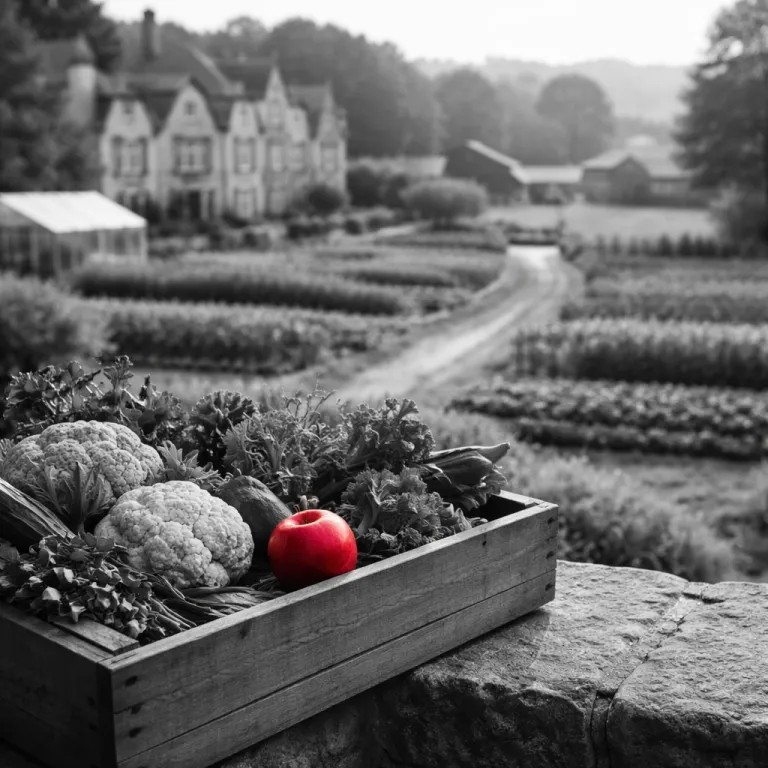
Hyperlocal hotel restaurants are changing what luxury hotel dining means for families. In many a hotel the dining room is no longer a neutral backdrop but the stage where the chef, the garden and the surrounding nature quietly set the rhythm of your stay. When you book a room today, the most memorable experiences often begin not at the bar or lounge but in the kitchen and the soil just beyond the terrace.
Hyperlocal dining means the restaurant focuses on ingredients grown on site or sourced from nearby producers. Hospitality researchers define it simply yet precisely: “What is hyperlocal dining? Dining where ingredients are sourced from the immediate vicinity or on-site.” Families who care about the local food scene now look for restaurants where the chef can walk you to the garden, point to the produce and explain how those farm fresh vegetables shape tonight’s seasonal menus.
This shift is measurable, not just marketing language. The National Restaurant Association’s 2023 “What’s Hot” chef survey, for example, lists hyperlocal sourcing and on-site gardens among the top culinary trends, and several hotel groups now publish sustainability reports that track average delivery distances for key ingredients. When properties map supplier postcodes against the hotel’s GPS coordinates, they often find that trimming delivery routes by around 10 miles per ingredient basket reduces transport emissions and improves freshness. For guests this translates into cleaner flavours, fewer but better sourced ingredients on the plate and dining experiences that create a genuine sense of place rather than a generic luxury script.
Families travelling with children feel the difference quickly. When a hotel restaurant serves simply grilled fish with olive oil from the neighbouring mill and vegetables from the kitchen garden, kids tend to eat without negotiation. Parents enjoy a glass of wine or craft cocktails in a relaxed lounge while knowing the food is sustainably sourced and locally rooted, and the whole experience feels both indulgent and responsible.
What a real 12 mile menu looks like in different landscapes
A true 12 mile menu in alpine regions reads like a map of the slopes and valleys around the hotel. Expect a dining room where the chef talks about pasture altitudes, raw milk cheeses and farm fresh potatoes, and where the restaurant team can name the family behind each piece of cured meat. In this kind of hotel dining the bar might pour craft cocktails built on local spirits and herbs, while the lounge offers small plates that echo the same sourced ingredients as the main kitchen.
On the coast, hyperlocal hotel restaurants lean into the tides. A serious restaurant menu will list the harbour or cove for each fish, the garden that supplies the fennel and citrus, and the olive oil mill that presses within that hyper local 12 mile radius. Families can expect seasonal menus that change with the catch, with children often preferring simply grilled fish, local potatoes and vegetables that taste of the sea breeze and surrounding nature rather than complicated sauces.
In agricultural heartlands the 12 mile promise becomes almost panoramic. Here the hotel might sit between vineyards, orchards and a kitchen garden that doubles as the chef’s creative engine, and the dining experiences stretch from breakfast fruit to an award winning tasting menu built on three or four exceptional ingredients. If you are planning a trip to southern France, for example, a refined gastronomy stay in Provence with panoramic views and a serious commitment to locally sourced produce will show you how a rural food scene can shape every restaurant event across the day. Families notice that children eat better when plates are simple, portions are generous and the ingredients are recognisably local, whether enjoyed in the main dining room, on a terrace lounge area or in a more casual bar.
Urban properties can also honour the 12 mile rule, though the map looks different. Rooftop gardens, compact greenhouses and partnerships with nearby markets allow a hotel kitchen to serve farm fresh salads, sustainably sourced herbs and bar snacks that still feel rooted in a specific neighbourhood. When the chef explains that the honey in your dessert comes from hives above the room floors and the tomatoes in your salad grow three levels above the lounge, you are tasting a city’s vertical nature rather than a countryside postcard.
How to read a menu for real terroir, not copy paste farm to table
When you sit down in hyperlocal hotel restaurants, the menu itself becomes your first audit tool. Look for precise place names, specific farms, a kitchen garden mentioned with detail and a short list of seasonal ingredients rather than a long roll call of trends. A serious hotel will often highlight which dishes rely on farm fresh produce from on site gardens and which rely on partnerships with local growers, and the staff in the dining room should be able to explain those relationships without hesitation.
Be wary of menus that shout about being hyper local yet read like they could belong to any restaurant in any city. If the chef claims everything is locally sourced but the olive oil, salt and spices are imported without context, you are likely seeing virtue signalling rather than a coherent sourcing philosophy. This is where provenance technology, such as the blockchain based traceability now appearing on some luxury hotel menus at properties like Six Senses and Soneva and documented in their sustainability reports, helps guests verify that sourced ingredients are genuinely nearby rather than loosely connected to a marketing story.
Ask direct questions and listen for concrete answers. Which dishes rely on the hotel garden, and which ingredients travel from more than 12 miles away? How does the kitchen balance sustainably sourced seafood with the realities of a coastal or inland location, and what happens to the compost from the bar, lounge and breakfast room? When a property can explain how its farm fresh produce, craft cocktails and bar snacks all flow from the same network of local suppliers, you are hearing the language of a restaurant and social spaces that live their values rather than repeating a script.
Families should also scan the children’s section of the menu. If kids’ dishes use the same seasonal menus and locally sourced produce as the main courses, simply prepared in the kitchen with less salt and spice, you can expect cleaner flavours and fewer negotiations at the table. A hotel that extends its hyperlocal approach from the main restaurant to room service, the lounge area and even poolside dining experiences is usually one where the sense of place is more than a tagline.
Three stays where the kitchen garden is the point of the trip
Some hyperlocal hotel restaurants have reached a point where the kitchen garden is not an amenity but the main reason to book. These are the properties where on site gardeners, local farmers and hotel chefs work as a single équipe, and where the garden tour is as important as the spa appointment. Families who care about food often plan an entire event or long weekend around these immersive dining experiences, knowing that every room category, from suites to family rooms, is designed to keep them close to the soil.
In rural Europe, several independent properties now run greenhouses that function as creative studios for the chef. At Babylonstoren in South Africa’s Cape Winelands, for instance, the eight acre kitchen garden dictates the daily menus, and guests wander through orchards before dinner to see what will appear on the plate. As one Provençal chef at La Bastide de Marie explains to guests in interviews and property guides, “If I cannot show you where it grew, it does not go on the plate.” Children are often invited to pick their own produce for a simple pasta or grilled vegetable plate, turning dinner into a quiet lesson in nature rather than a negotiation over unfamiliar ingredients.
Coastal retreats are following a similar path, pairing kitchen gardens with small fishing boats and nearby farms. At Hôtel Belles Rives on the French Riviera and at Nordic seaside lodges such as Stedsans in the Woods, the restaurant might offer a daily changing blackboard menu that depends entirely on what the chef, the gardener and the local fishers bring in within that 12 mile radius, and the bar echoes the same produce in its snacks. Families can spend the morning in the garden, the afternoon at the beach and the evening in an award winning restaurant that still feels relaxed enough for children, with staff who invite guests to taste tomatoes straight from the vine before they appear on the plate.
Urban luxury properties are experimenting too, turning rooftops into productive gardens and bee friendly terraces. In these hotels the sense of place comes from the skyline as much as the soil, and the restaurant, bar and lounge all share honey, herbs and vegetables grown above the room floors. At The Peninsula New York, for example, rooftop beehives supply honey for desserts and cocktails, while at Shangri-La Hotel, Paris, terrace gardens provide herbs for the Michelin starred kitchen. When you see this level of integration, supported by sustainability statements and environmental reports that describe how the hotel manages its responsibly sourced operations and partnerships with local producers, you know the hyperlocal claim runs through the entire experience.
Practical checklist for families judging hyperlocal claims on the ground
For families booking luxury stays, judging hyperlocal hotel restaurants starts before you arrive. Study the website photos carefully: do you see a real garden with working beds, or only styled planters near the bar lounge and lounge area? Read the restaurant pages to check whether the chef names specific farms, explains the 12 mile sourcing radius and mentions how the kitchen uses farm fresh produce across breakfast, lunch and dinner.
On arrival, use your first meal as a quiet investigation. Ask which dishes rely on the hotel garden, which ingredients are locally sourced and how often the chef visits nearby farms or markets, and then compare those answers with what you taste on the plate. A property that truly invites guests into its sourcing story will often offer garden tours, cooking classes for children and seasonal menus that change visibly across your stay, while the bar and lounge echo the same sourced ingredients in their craft cocktails and snacks.
Pay attention to the small details that reveal whether the hyper local promise is real. Does the restaurant team talk confidently about sustainably sourced fish, meat and vegetables, or do they default to vague phrases about quality and freshness? Are olive oil, salt and pantry staples explained with the same care as the headline produce, and does the hotel dining experience feel coherent from the main restaurant to room service and poolside snacks? When the answers align and children’s dishes mirror the same local ingredients in simpler preparations, you are likely in an award winning property where the food scene, the room design and the surrounding nature all work together to create a genuine sense of place.
Finally, consider how the hotel communicates its values beyond the plate. Sustainability reports, in-room information about composting and waste in the kitchen and bar, and staff who can describe partnerships with local farmers all signal a serious approach. For families, these touches turn a simple restaurant booking into a richer experience, where children learn how sourced ingredients travel from soil to dining room and parents enjoy the confidence that their stay supports the landscape they came to enjoy.
Key statistics on hyperlocal hotel restaurants
- Industry surveys, including the National Restaurant Association’s 2023 “What’s Hot” chef survey, indicate that roughly one in four restaurants now prioritise hyperlocal sourcing in some part of their menu planning, suggesting that nearby or on site agriculture is moving from niche experiment to mainstream expectation.
- Hotels embracing hyperlocal sourcing typically reduce food miles by around 10 miles per ingredient basket in internal audits, which meaningfully lowers transport emissions while improving freshness on the plate.
Essential questions about hyperlocal dining in hotels
What is hyperlocal dining in a hotel context ?
Hyperlocal dining in a hotel context means that the restaurant, bar and lounge rely on ingredients grown on site or sourced from the immediate vicinity, usually within a defined radius such as 12 miles. This approach often includes kitchen gardens, rooftop greenhouses and close partnerships with nearby farmers and fishers. For guests it results in fresher meals, seasonal menus and dining experiences that reflect the specific landscape around the property.
Why are more hotels adopting hyperlocal sourcing ?
More hotels are adopting hyperlocal sourcing because it improves flavour, supports local economies and reduces environmental impact. By working directly with nearby producers and investing in their own gardens, properties can control quality, shorten supply chains and tell a clearer story about how each dish reaches the dining room. Families increasingly choose these hotels because the food feels both more honest and more aligned with their values.
How does hyperlocal sourcing benefit hotel guests ?
Hyperlocal sourcing benefits hotel guests by delivering fresher, more distinctive plates that express a genuine sense of place. Children often eat better when dishes feature recognisable, simply cooked ingredients, while adults appreciate the transparency around where their food comes from. The result is a richer overall experience, where the restaurant, bar lounge and even room service feel connected to the landscape outside the window.
FAQ
How can I verify a hotel’s 12 mile sourcing claim during my stay ?
Ask staff to name specific farms, gardens or fishers that supply the restaurant and bar, and request examples of dishes that rely entirely on ingredients from within 12 miles. A serious property will answer with ease and may even offer a garden or farm visit. If responses stay vague or focus only on marketing language, the claim is likely more aspirational than operational.
Are hyperlocal hotel restaurants suitable for children with picky tastes ?
Yes, many hyperlocal hotel restaurants are well suited to picky eaters because they focus on simple preparations and very fresh ingredients. Children often respond well to grilled fish, vegetables and pasta made from farm fresh produce they can see in the garden. When in doubt, ask the kitchen to adapt dishes using the same locally sourced ingredients in plainer versions.
Does hyperlocal sourcing always mean higher prices in luxury hotels ?
Hyperlocal sourcing can increase some costs, especially labour and small scale production, but it also reduces transport and waste. In luxury hotels the overall price point remains premium, yet guests often feel they receive better value because the food is more distinctive and the story behind each dish is clearer. Families can maximise value by choosing properties where breakfast, half board or seasonal offers include access to the full hyperlocal experience.
What should I look for on a hotel website before booking a hyperlocal stay ?
Look for detailed descriptions of gardens, greenhouses and partnerships with named local producers, not just generic sustainability claims. Check whether the restaurant pages show seasonal menus, mention a specific sourcing radius and explain how the chef uses the garden as a creative engine. Reviews that highlight the dining room, bar lounge and children’s meals as stand out experiences are another strong indicator.
Can urban hotels genuinely offer hyperlocal dining experiences ?
Urban hotels can absolutely offer genuine hyperlocal dining experiences by using rooftop gardens, compact greenhouses and close relationships with nearby markets and artisans. The key is transparency about what is grown on site and what is sourced from within the city’s wider 12 mile radius. When the restaurant, bar and lounge all showcase these ingredients consistently, the city itself becomes the terroir of your stay.