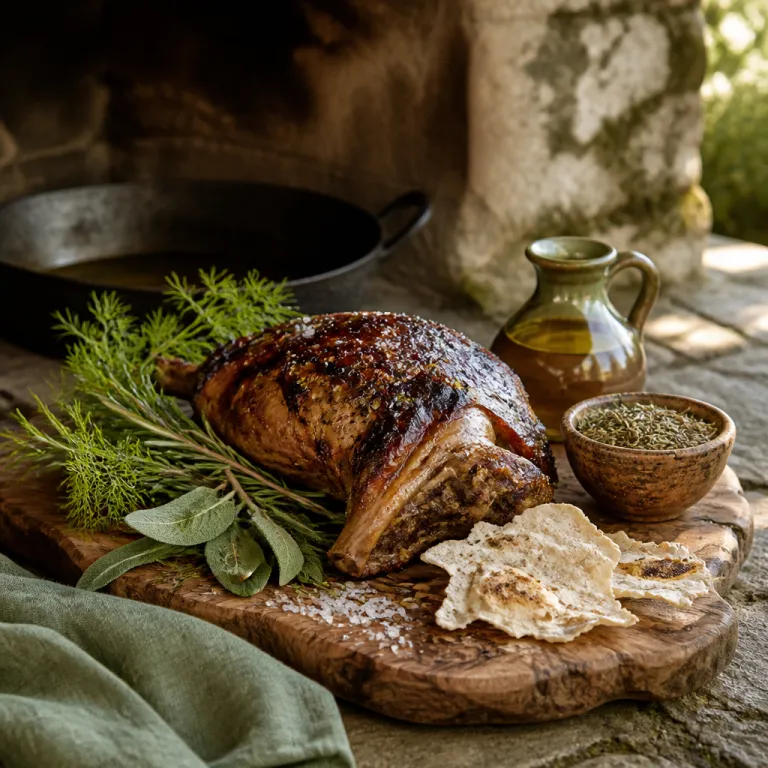
The summer fire kitchen moves outside
Fire leaves the enclosed kitchen and steps into the open air, reshaping how couples think about a hotel restaurant in summer 2026. When a property designs its outdoor grill around live fire, wood and smoke, the entire dining experience becomes theatre rather than background service. You feel the heat from the open flame, hear the crackle of firewood and watch the chef work the embers as the sun drops behind the sea.
Unlike an indoor restaurant where the oven hides behind a pass, an outdoor fire kitchen lets you see every stage of the cooking process. The most engaging terraces and decks using wood fire build menus that respond to wind, humidity and the changing burn of the logs, so no two evenings taste quite the same. Couples who care about cuisine modern enough to play with technique, yet primal enough to lean on open fire, quickly realise that the terrace grill can rival any indoor fine dining room.
For travelers planning a romantic stay, the idea of a fire-focused hotel restaurant for summer 2026 now signals more than a trend; it signals a promise of smoke-scented evenings and long, unhurried meals. You might sit at a restaurant bar facing the grill, or at a quieter table where the view of the sea competes with the glow of the wood-fired hearth. Either way, the dining room extends beyond four walls, and the boundary between bar, terrace and open kitchen blurs into one continuous stage for fire cooking.
W Sardinia’s TANIT and the art of Sardinian slow dining
On Sardinia’s Poltu Quatu fjord, W Sardinia – Poltu Quatu is positioned as a marina-front retreat where TANIT shows how a fire kitchen can define a whole stay. Here, Sardinian Slow Dining is not a slogan but a structure; as the team describes it, “Sardinian Slow Dining is a culinary experience emphasizing traditional, leisurely meals using local ingredients.” The restaurant leans into wood, smoke and sea breeze, using open fire to frame a cuisine italian at once coastal and quietly modern.
Chef Antonio Bitetto, known for his work in southern Italy, now collaborates with local fishermen and farmers, bringing in fish that still smell of salt and vegetables that have not yet lost their field heat before they meet the wood fire grill. The menu shifts with the catch, but you can expect whole fish roasted over open flame, charred vegetables brushed with olive oil and a steakhouse-level respect for meat that still feels Mediterranean rather than American. Couples who book TANIT as their main dining experience often split time between the main dining room and the restaurant bar, watching the live fire while sipping a Sardinian vermouth or a glass of Vermentino di Gallura.
Pastry Chef Fabrizio Fiorani, recognised in the World’s 50 Best community as “Asia’s Best Pastry Chef 2019,” adds a different kind of theatre with his Dolce Room, an interactive dessert room that turns the end of the meal into a playful ritual rather than a simple plate of food. For many guests, TANIT becomes the anchor of their fire kitchen hotel itinerary for summer 2026, a reference point when they compare other restaurants across the Mediterranean. If you are weighing chef-led concepts from Los Angeles to San Francisco against a Sardinian marina, this is where the argument for slow, wood-fired coastal dining starts to feel irresistible; for a deeper look at how hotel restaurants build chef-driven identities, see this analysis of signature restaurant partnerships in luxury hotels.
From Petra Segreta to Provence: hearths, stones and coastal gardens
Drive inland from the Costa Smeralda and Petra Segreta Resort & Spa shows another Sardinian angle on fire and wood. Its Il Fuoco Sacro restaurant, listed with one star in the MICHELIN Guide Italy, uses a wood-fired oven and grill to give local lamb, vegetables and breads a quiet smokiness that feels more countryside than marina. Here, the dining room looks over hills rather than harbours, and the fire cooking feels intimate, almost domestic, even as the service reaches fine dining precision.
Across the water on Île de Bendor, Zannier Île de Bendor represents a new Provençal wave where hotel restaurants treat the hearth as the heart of the property. Chefs lean on open fire and hot stones to roast fish from Bandol, grill vegetables from nearby markets and bake flatbreads that arrive blistered and fragrant. This is cuisine modern in its plating but rooted in the same slow, seasonal logic that shapes Sardinian Slow Dining, and couples who care about terroir feel that connection from the first bite.
For travelers planning a fire-led hotel restaurant route for summer 2026, pairing Sardinia with Provence creates a satisfying contrast between rugged island fjords and manicured coastal gardens. You might spend one night in a room above a marina, the next in a quieter suite overlooking vineyards, yet in both places the restaurant and its open flame define the rhythm of the evening. To map these experiences against other culinary-led stays, the guide to unique culinary hotel experiences for discerning travelers offers a useful framework for choosing where fire, food and setting align best.
Island fire kitchens: Ibiza, Mykonos and the new coastal grill
On islands like Ibiza and Mykonos, the fire kitchen has moved directly onto the sand, turning the line between beach club and restaurant into a blur. Bless Hotel Ibiza’s dining hub brings a cluster of restaurants and bars together, several of them built around live fire grills facing the sea. Couples can move from a relaxed restaurant bar at sunset to a more formal dining room later, yet the constant thread is the glow of open fire and the scent of firewood drifting across the terrace.
These island properties treat the grill as both kitchen and stage, with chefs working over open flame while DJs and mixologists build the soundtrack and the bar program. Menus often mix cuisine italian influences with American steakhouse cuts, so you might share a wood-fired pizza before moving to a charred ribeye or grilled local fish. The most compelling restaurants in this island circuit understand that guests want a dining experience that feels relaxed enough for bare feet yet polished enough to count as fine dining, and they calibrate service, lighting and pacing accordingly.
For couples curating a fire kitchen hotel route for summer 2026, it makes sense to think in arcs rather than isolated bookings. One arc might run from W Sardinia’s TANIT to a Provençal hearth, then on to an Ibiza beach grill where live fire meets late night music. Another might pair a quieter Sardinian fjord with a more energetic Mykonos terrace, giving you both contemplative wood-fire dinners and high-energy open fire feasts; for more on how hotel dining rooms now rival lobbies as social hubs, see this piece on how hotel dining rooms quietly replaced the lobby.
How to choose your fire kitchen stay as a couple
When you plan a romantic trip around a fire-driven hotel restaurant in summer 2026, start by deciding what kind of flame you want. Some couples prefer the calm focus of a tasting menu built around a controlled wood-fired oven, while others crave the drama of open flame grills where sparks fly into the night. Think about whether you want a dining room that feels like a quiet theatre or a restaurant bar that hums with energy and conversation.
Next, look closely at how each chef uses fire in relation to local ingredients, because this is where the difference between America best lists and your own best restaurants shortlist really shows. A property that talks about live fire but flies in generic steakhouse cuts from far away will feel very different from one that grills fish caught that morning or vegetables from its own garden. Read menus carefully, ask how much of the cooking actually happens over wood fire or open flame, and pay attention to whether the cuisine modern touches feel thoughtful or simply trendy.
Finally, consider the whole dining experience rather than just the plate, especially if you are choosing between Los Angeles, Nashville, San Francisco and Mediterranean coasts for your next escape. In some American cities, a restaurant might offer impeccable fire cooking in an urban room, but it will never give you the same sea breeze and marina light you find in Sardinia or Provence. For couples, that combination of setting, food, bar program and service is what turns a good restaurant into the emotional centre of the trip, and it is why fire kitchens have become such powerful reasons to book specific rooms, not just specific tables.
FAQ
What is Sardinian Slow Dining in a hotel context?
Sardinian Slow Dining in a hotel context means meals built around local ingredients, unhurried pacing and a strong sense of place. Courses arrive in a rhythm that encourages conversation rather than rush, often framed by fire cooking techniques like grilling over wood fire or baking in a wood-fired oven. Hotels such as W Sardinia – Poltu Quatu and Petra Segreta Resort & Spa use this approach to turn dinner into the main event of the stay.
How does an outdoor fire kitchen change the dining experience for couples?
An outdoor fire kitchen adds sound, scent and movement to what might otherwise be a standard fine dining meal. Couples can watch chefs work over open flame, feel the warmth from the grill and smell the firewood as it burns, which creates a more immersive atmosphere. This sensory layering often makes the restaurant feel like a performance space, especially at sunset on coastal terraces.
Why are Mediterranean hotels investing in live fire restaurants?
Mediterranean hotels are investing in live fire restaurants because the combination of sea air, local produce and open fire cooking creates a powerful draw for gastronomic travelers. Properties in Sardinia, Provence, Ibiza and similar destinations can showcase regional fish, meat and vegetables in a way that feels both traditional and cuisine modern. This focus on fire kitchens also helps hotels stand out in a crowded luxury market where guests increasingly book stays around food rather than just rooms.
How should I choose between different fire kitchen hotels for a romantic trip?
Start by deciding whether you prefer a calm, tasting menu style experience or a more energetic restaurant bar atmosphere with music and movement. Then compare how each chef uses live fire, wood and local sourcing, looking for menus that reflect the surrounding sea or countryside. Finally, consider the setting of the dining room itself, because a marina-front terrace, a hillside hearth and a beachside grill each create very different moods for a couple’s evening.
Are fire kitchen hotel restaurants only about meat and steakhouse dishes?
Fire kitchen hotel restaurants are no longer limited to steakhouse style menus, even if some still highlight large cuts of meat. Many of the best restaurants in Sardinia, Provence and the islands now use open fire to grill fish, roast vegetables and bake breads, often blending cuisine italian influences with broader Mediterranean ideas. For couples who prefer lighter food, these kitchens can offer some of the most memorable seafood and vegetable dishes of any fine dining trip.