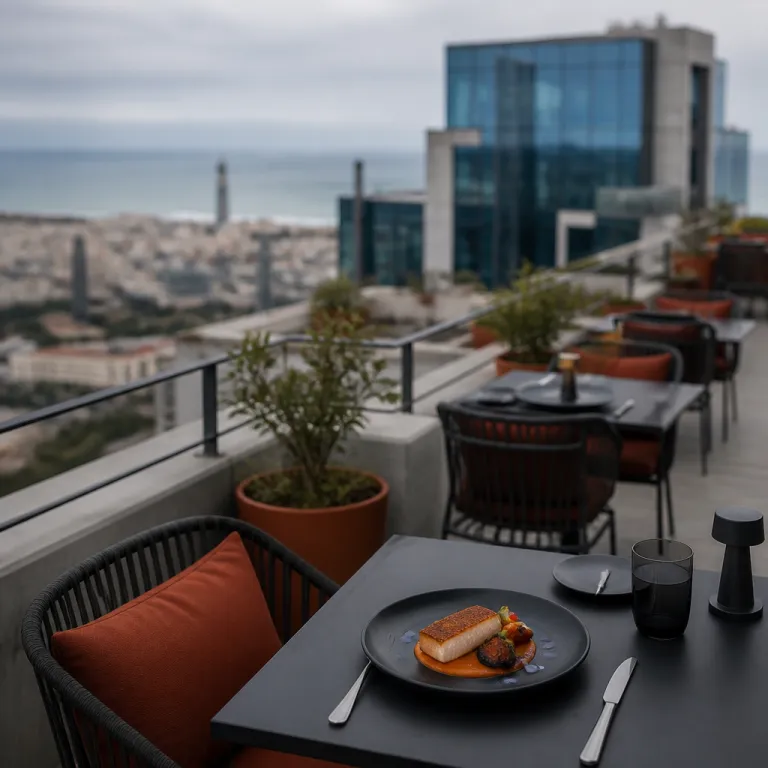
Waldorf astoria rabat sale ducasse aldabaran reshapes the rabat-salé skyline
Alain Ducasse has opened Aldabaran on the upper floors of Mohammed VI Tower, placing Waldorf Astoria Rabat-Salé and its signature restaurant at the literal summit of Morocco’s new gastronomy ambitions. According to Hilton, the Waldorf Astoria Rabat-Salé occupies 18 high floors of the 250-meter tower, with just 55 rooms and suites giving business and leisure travelers a rare sense of calm above the traffic of Rabat and Salé. This intimate Waldorf Astoria Rabat-Salé format means every guest room feels like a private aerie, with floor-to-ceiling views that turn the Rabat-Salé estuary, the Atlantic and the city’s minarets into part of the hotel’s nightly theatre.
The property is presented by Hilton as the first Waldorf Astoria address on the African continent, and the group has chosen Rabat over more obvious Moroccan hubs such as Casablanca or Marrakech. That decision underlines how the Rabat-Salé corridor is repositioning itself as a high-level government, corporate and culture capital, where a Waldorf-branded hotel with a serious kitchen can anchor executive travel. As general manager Olivier Harnisch has noted in launch interviews, the tower is designed to “bring a new level of discreet luxury to Morocco’s capital.” For travelers who book a hotel primarily for its dining programme, the Waldorf Astoria Rabat-Salé with Aldabaran signals that Rabat is no longer just an administrative stop but a credible gastronomy destination in its own right.
Inside, the design leans into contemporary Moroccan art and craft rather than pastiche, with a private collection of nearly 7,000 works spread across public spaces, corridors and even some rooms, as highlighted in the hotel’s opening materials. The tower’s height allows natural light to wash the pool deck and spa level for most of the day, which is rare in dense urban Morocco where many hotel pools sit in shadow for hours. Guests move between floors by swift lifts, but the sense of vertical progression — from lobby to bar to Aldabaran’s dining room near the top of the tower — feels almost ceremonial, echoing the ascent from city to sky that defines this Rabat-Salé address.
Aldabaran and brasserie magnolia: how Ducasse reads the Moroccan plate
At Aldabaran, Ducasse’s team describes the specialty succinctly: "Mediterranean cuisine with seasonal ingredients." The menu at Waldorf Astoria Rabat-Salé backs that up with line-caught sea bass paired with artichokes and radicchio, Wagyu tenderloin over silken polenta and a roasted lamb saddle with caponata that nods to North African spice without overwhelming the plate. This is not a trophy restaurant bolted onto a tower hotel; it is a carefully calibrated fine-dining room where the kitchen uses Moroccan produce to express Ducasse’s long-standing, Riviera-inflected philosophy.
Local sourcing shows up in the vegetables and citrus that frame the proteins, and in the olive oils that arrive at the table before the first course. While the cuisine is firmly Mediterranean, the rhythm of the meal respects Moroccan dining culture, with a measured pace that suits a three-hour business dinner as well as a shorter pre-flight lunch for Rabat-Salé travelers. For guests who care as much about the wine list as the view, Aldabaran positions the Waldorf Astoria Rabat-Salé alongside the world’s serious gastronomy hotels where the cellar can almost rival the kitchen, in the same spirit as the properties we profile when the wine list outgrows the restaurant.
Downstairs, Brasserie Magnolia under executive chef Lahcen Hafid bridges Moroccan and Mediterranean traditions with more relaxed pricing and a menu built for repeat visits. Here, a guest might move from a refined riff on a classic tagine to grilled fish with chermoula and Provençal vegetables, or share plates that pair local seafood with Riviera-style sauces, making the restaurant a practical option for both long-stay corporate travel and weekend leisure. Together, Aldabaran and Magnolia give Waldorf Astoria Rabat-Salé a two-speed gastronomy engine, ensuring that the hotel’s rooms, bar and spa are supported by a dining programme that justifies choosing this tower over lower-rise competitors in Rabat or Salé.
Inside the 55 room tower retreat: business leisure at waldorf astoria rabat sale ducasse aldabaran
The 55-room count at Waldorf Astoria Rabat-Salé is unusually low for a skyscraper hotel, and that is precisely the point. With only a handful of rooms per floor, corridors stay quiet, service teams recognise returning guests by the second night and the atmosphere feels closer to a private residence than a convention property in Rabat or Salé. For executives extending a Rabat-Salé work trip into leisure, that intimacy matters more than a sprawling lobby; it means faster response times, easier last-minute table access at Aldabaran and a spa appointment that actually fits between meetings.
The Waldorf Astoria Spa includes a traditional hammam, six treatment rooms, an Iyashi dome and an ice room, giving the wellness floor the depth expected from a high-end Morocco city hotel rather than a simple sauna corner. A compact but well-oriented pool catches long sun hours thanks to the tower’s height, turning even a short afternoon break into a real reset between boardrooms and the dining room upstairs. As the hotel’s launch communications emphasise, the spa is intended as a “sanctuary above the city,” and families who travel with children but still care about gastronomy will find the scale manageable, in line with the kind of discreet properties we highlight when we write about luxury gastronomy hotels that work with kids at the table.
Public spaces are anchored by Peacock Alley, a 30th-floor lounge bar that reinterprets the classic Waldorf Astoria lobby ritual as an elevated Rabat-Salé meeting point for pre-dinner drinks or informal credit-card-signed business discussions. The forthcoming Sapphire Room bar and Après coffee bar will add more layers to the tower’s social life, ensuring that guests do not need to leave the Mohammed VI Tower for a full evening unless they want to explore the wider Rabat and Salé restaurant scene. For travelers used to coastal gastronomy stays from California to the Côte d’Azur, this address belongs in the same conversation as the refined coastal escapes we feature in our guide to elegant, food-focused hotels, but here the drama comes from the river, the Atlantic and the city lights far below.