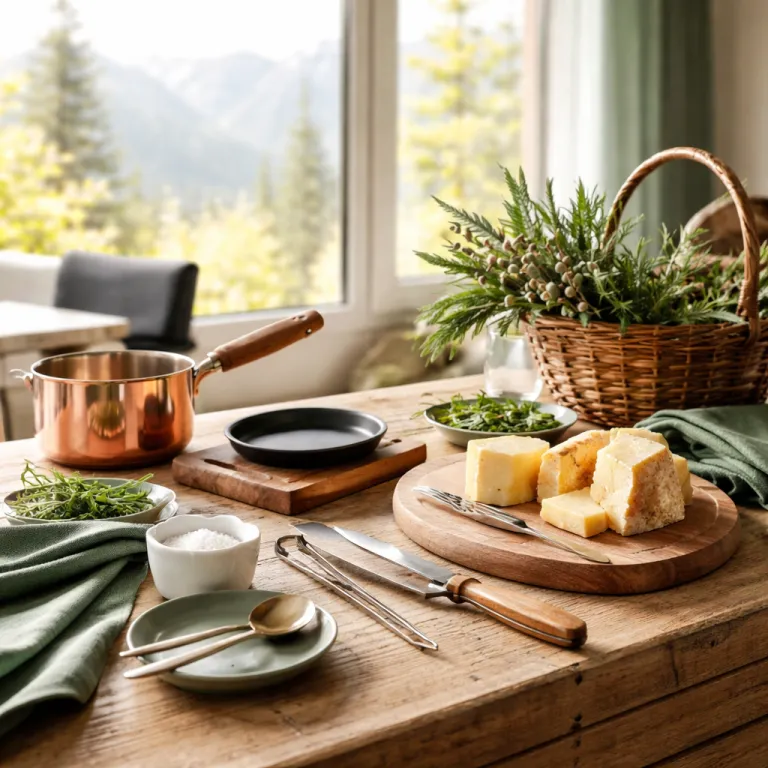
Why mountain gastronomy hotels in the Alps are winning the table
Mountain gastronomy hotels in the Alps now set the pace for serious food-led stays. Many luxury travellers have realised that a high-altitude hotel with its own pastures, lake fish and game can outcook coastal palaces, which helps explain why the Michelin Guide France 2024 confirmed Les Morainières in Jongieux as a three-star restaurant under chef Michaël Arnoult (first awarded three stars in the 2020 guide and reconfirmed since). For families planning a ski holiday or a quiet summer break, the best mountain gastronomy hotels in the Alps combine credible kitchens, calm rooms and direct access to a ski area or hiking trails.
The sourcing advantage is structural rather than stylistic: alpine hotels sit inside the pantry. In Savoie and Haute-Savoie, chefs drive minutes from the hotel to collect tomme and Beaufort from summer pasture chalets, while in South Tyrol and Austria’s Tyrol the same pattern repeats with speck, mountain herbs and orchard fruit. Across Switzerland, Austria and the Italian Alps, the most interesting mountain restaurants now talk as much about their foragers and cheesemakers as about their tasting menus, and that transparency has become a quiet luxury signal for guests comparing a view hotel in Courchevel with a sea-facing address on the Riviera.
Families feel the difference on the plate and in the bill. A luxury ski hotel in Val d’Isère or a lakeside property such as Auberge du Père Bise – Jean Sulpice on Lake Annecy can offer two-Michelin-star dining with a softer nightly rate than a Paris palace, especially outside peak school-holiday dates. When you factor in that around 60% of affluent travellers now actively seek hotels known for top-tier dining, according to recent luxury travel surveys published between 2022 and 2023 by high-end tour operators and industry analysts, the logic of choosing hotels in the Alps for both food and snow becomes hard to ignore.
The kitchen, the larder and the cellar in alpine hotel restaurants
In the most serious mountain gastronomy hotels across the Alps, the restaurant is only the visible tip of a deeper system. The kitchen, the larder and the cellar work together: the chef walks the alpine garden before service, the team trims herbs, and the sommelier pulls bottles that match both altitude and season. This trinity is why a mountain restaurant in Megève or a dining room above Crans-Montana can feel more grounded than a city address with a longer wine list but a weaker sense of place.
Take LeCrans in Crans-Montana, where a Michelin-starred restaurant looks straight onto the peaks and the cellar leans heavily on Switzerland and neighbouring regions. Or consider Culinarium Alpinum, a hotel in central Switzerland that treats alpine food heritage as its core mission, turning local grains, vegetables and cheeses into quietly inventive dining rather than showy gastronomy. Even smaller hotels such as Hotel Ducan in Davos Monstein or Berghaus Toni in Riederalp prove that mountain restaurants in modest ski resorts can deliver characterful food when they commit to local producers and a clear alpine identity.
For families, this depth shows up in flexible menus and relaxed service. Serious ski hotels now understand that a premium family might want a short tasting sequence for the parents and simpler plates for children at the same table, without losing the thread of the kitchen’s philosophy. If you are weighing a luxury ski stay in Courchevel or Megève against a city weekend, look for hotels where the restaurant, the bar for après-ski and the breakfast room all share the same sourcing story, then cross-check them against curated guides to family dining that actually works with kids at the table on gastronomy-stay platforms.
From Les Morainières to Courchevel and Megève : the alpine properties to watch
Les Morainières in Jongieux may be the headline, but it is not the only reason mountain gastronomy hotels throughout the Alps feel newly relevant. The three-star status for this Savoie restaurant confirms a broader pattern in which mountain hotels, not coastal resorts, are now the most credible stage for ambitious alpine dining. When the guide notes that mountain larders, herb gardens and smoke-cured cellars are increasingly cited in its entries, it is effectively describing the daily mise en place of the best hotels in the Alps.
In Courchevel, Rosewood Le Jardin Alpin and Maya Hotel Courchevel 1850 both show how a luxury ski hotel can treat food as seriously as ski-in, ski-out convenience. The former leans into Italian alpine fusion, pairing handmade pasta with high-altitude vegetables, while the latter layers Japanese precision over a French mountain pantry, which makes its restaurants a draw even for guests staying in nearby ski chalets. Over in Megève, a new generation of ski hotels and independent restaurants is pushing beyond fondue, plating lake fish, root vegetables and game in ways that feel lighter and more family-friendly without losing alpine soul.
Switzerland and Austria are not standing still either. Experimental Chalet Verbier brings Parisian chic to an alpine ski resort, but its restaurant still reads like a love letter to the surrounding ski area, with cheese, charcuterie and vegetables sourced up and down the valley. Across Austria’s Tyrol and South Tyrol, a cluster of hotels along the main valleys now run their own mountain restaurants on the slopes, turning lunch during a ski holiday into a serious yet relaxed dining moment, and many of these openings sit firmly on any gastronomy-hotel radar worth reorganising your July around.
Seasonal calendars, price per night and when to book for the best value
Timing a stay at mountain gastronomy hotels across the Alps is as strategic as choosing the right restaurant. Summer and winter seasons offer distinct experiences, and the shoulder months in between can deliver the best balance of food, quiet and price per night. If your priority is to eat at the best mountain restaurants while still skiing, aim for late January or mid-March, when the ski area is fully open but the crowds have thinned and tables are easier to secure.
Summer in the Alps is when the larder peaks. Alpine meadows around Megève, Val d’Isère, Crans-Montana and the higher villages of Austria’s Tyrol and South Tyrol explode with herbs and flowers, and chefs respond with menus built around vegetables, lake fish and fresh cheeses rather than heavy winter dishes. For families, this can be the ideal time to book a view hotel with a pool and terrace, enjoy long lunches at mountain restaurants reachable by lift, and still pay a softer nightly rate than during the main ski holiday weeks.
Autumn and late spring are the insider seasons. Game appears on menus, wine lists lean into richer bottles, and hotels in Switzerland, Austria and the French Alps often run attractive packages that fold in dining credits or cooking classes. Many provide culinary workshops and classes for guests, so if your children are curious about food, look for hotels that advertise farm-to-table dining and sustainable sourcing, then compare their offers with other immersive gastronomy stays such as luxury lodges in rainforest regions to understand how different landscapes shape both the plate and the room rate.
Family first : how alpine gastronomy hotels work for parents, children and skiers
For a premium family, the question is simple: can mountain gastronomy hotels across the Alps really handle both serious dining and children who have spent all day in the ski area? The best hotels answer with calm confidence, offering early seatings, children’s menus that echo the main restaurant and staff trained to talk to younger guests about food without condescension. In practice, that might mean a reduced tasting menu for parents in a Michelin-starred dining room while children eat perfectly roasted chicken and alpine potatoes, all under the same view of the peaks.
Resorts such as Courchevel, Megève, Val d’Isère and Crans-Montana have refined this balance over years. Many ski hotels here sit a short walk from the lifts, run their own ski chalets or kids’ clubs, and still treat the restaurant as the heart of the hotel rather than an afterthought. Après-ski is gentler than in some party-focused ski resorts: think hot chocolate in the lounge, a glass of Savoie white in the bar, and then a family dinner built around local food that tells the story of the surrounding area.
Outside France, Switzerland and Austria’s Tyrol offer similar patterns, with hotels across the Alps designing rooms that fit families without forcing them into separate wings or dull annexes. A mountain hotel such as Hotel Esprit Montagne in the Chablais shows how a rustic property can still deliver fine dining, while Berghaus Toni proves that even simple ski hotels can serve Swiss specialities with real care. When you compare these options with coastal resorts, the quieter nights, the stronger sense of place and the integrated food culture explain why mountain gastronomy hotels in the Alps have become the default choice for many luxury ski and summer families.
FAQ
What is the best time to visit alpine gastronomy hotels for food focused stays ?
Summer and winter seasons offer unique experiences. In winter, you can combine a ski holiday with rich, comforting dishes and long lunches at mountain restaurants on the slopes, while summer brings peak produce, lighter menus and easier access to hiking trails above the hotels. Shoulder seasons such as late March, April, September and early October often deliver the best price per night and quieter dining rooms, especially in major ski resorts.
Are vegetarian and family friendly options common in mountain gastronomy hotels in the Alps ?
Yes, most hotels offer diverse menus including vegetarian dishes, and many now design them with the same care as meat or fish courses. In family-focused ski hotels across Courchevel, Megève, Val d’Isère, Switzerland and Austria’s Tyrol, you will usually find children’s menus that echo the main restaurant rather than defaulting to generic dishes. When booking, ask specifically about vegetarian tasting menus and how the hotel handles early family dining in the main restaurant.
Do alpine gastronomy hotels offer cooking classes or culinary workshops ?
Many provide culinary workshops and classes for guests. Properties that emphasise farm-to-table dining, sustainable sourcing and regional food heritage, such as Culinarium Alpinum or several hotels in South Tyrol, often invite guests into the kitchen or garden for hands-on sessions, which can be a highlight for children and adults on a longer holiday.
How do mountain gastronomy hotels compare in cost to coastal luxury resorts ?
In many cases, a luxury ski or summer stay in the Alps can be quieter and slightly less expensive than a Riviera equivalent, especially outside peak ski-area dates. While headline rates at top hotels in Courchevel, Megève or Crans-Montana can be high, the overall price per night often includes easier access to activities, generous breakfasts and sometimes half-board dining. Booking in shoulder seasons or targeting smaller ski resorts in Austria or Switzerland can further improve value without sacrificing food quality.
What should families look for when choosing a mountain gastronomy hotel in the Alps ?
Start by checking that the hotel treats its restaurant as a core asset, ideally with a Michelin star or at least a clear sourcing philosophy and strong local reviews. Then look at room configurations, proximity to the ski resort lifts or hiking trails, and whether the property offers kids’ clubs, ski chalets or family-specific services that make a ski holiday or summer break smoother. Finally, ask about flexible dining options, from early seatings to child-friendly tasting menus, so that the whole family can enjoy the view and the food together.