Mandarin oriental amsterdam ottolenghi and the shift in the museum district
Ottolenghi at Mandarin Oriental Conservatorium Amsterdam is preparing a restaurant opening that quietly reshapes the city’s high-end dining map. In a museum district long dominated by classical French rooms and Nordic inflections, the arrival of Ottolenghi Amsterdam suggests a different kind of luxury that celebrates vegetables as much as it does linen and stemware. For travelers choosing a hotel in Amsterdam, this Oriental Conservatorium partnership turns the Conservatorium Amsterdam address into a serious reason to book rather than simply a convenient place to sleep.
The new Ottolenghi Amsterdam project sits at Paulus Potterstraat 50, less than 0.2 kilometres from the Van Gogh Museum, so the Amsterdam restaurant location folds effortlessly into a day of galleries and canals. Widely described as one of the first major Mandarin Oriental collaborations for Yotam Ottolenghi in continental Europe and often presented as the first Ottolenghi-branded restaurant in the Netherlands, the opening carries unusual weight for both the hotel and the wider Amsterdam restaurant scene. For solo explorers, the question is no longer whether to stay in a central hotel, but whether to book a room where the dining experience downstairs is as compelling as a reservation at De Kas or Rijks.
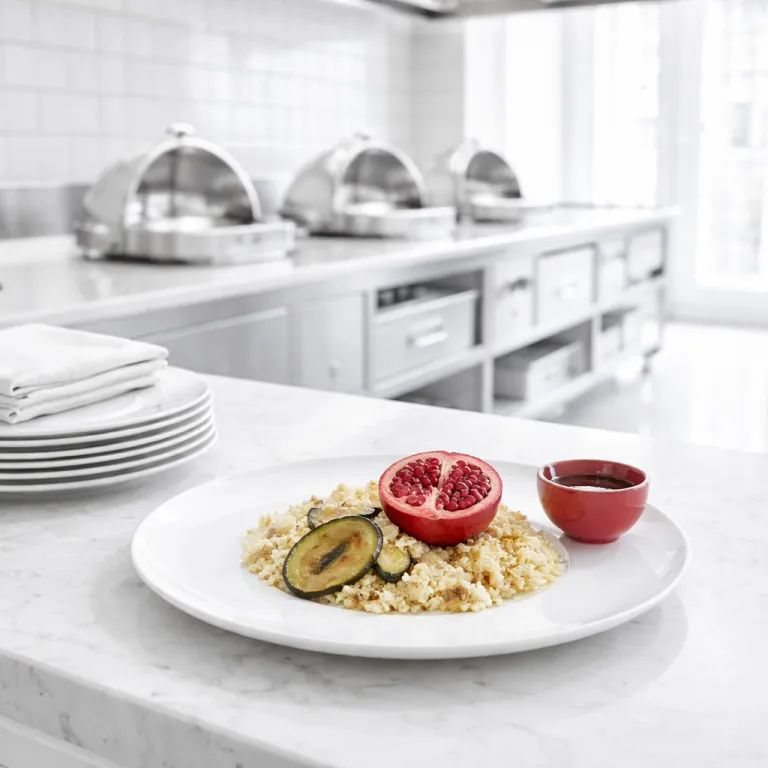
Yotam Ottolenghi is a chef and author known for Mediterranean-inspired cooking, and this new restaurant will extend that London-honed voice into Amsterdam with a seasonal menu that leans on roots and leafy vegetables, grains and bright Levantine-adjacent flavours. The menu created for Mandarin Oriental Amsterdam Ottolenghi is expected to work across breakfast, lunch and dinner, with a flexible structure that suits museum district days and canal evenings. In early previews, hotel material has highlighted dishes such as slow-roasted roots with citrus, tahini and herb oil as emblematic of a kitchen that celebrates vegetables and spice. For guests used to his London restaurants such as Rovi, the key question is how much of that vibrant, vegetable-forward energy survives translation into a luxury hotel dining room where room service, breakfast and lobby traffic share the same kitchen brigade.
From london test kitchen to amsterdam restaurant: who cooks, what changes
Behind the scenes, the Mandarin Oriental Amsterdam Ottolenghi partnership depends on how much of the Ottolenghi Test Kitchen culture actually relocates from London to Amsterdam. While Yotam Ottolenghi will set the direction, day-to-day cooking will fall to a resident chef and an équipe trained between his London sites and the Conservatorium Amsterdam kitchens. For discerning travelers, the credibility of this restaurant opening rests on whether the menu created in London evolves into a living seasonal menu in Amsterdam that responds to producers local to the Netherlands rather than simply repeating greatest hits.
The group already works closely with small producers around London, and the Amsterdam restaurant is expected to mirror that approach with Dutch partners and growers for dairy, salad greens and aubergines. This network of producers local to the Netherlands should underpin a dining experience that genuinely celebrates vegetables and roots rather than using them as garnish beside meat or fish. In practice, that means an Amsterdam restaurant where a plate of charred aubergine with fermented chilli and cultured cream might carry as much weight as any main course, and where breakfast, lunch service could feature savoury grains and seasonal greens instead of default pastries; as one London regular put it, “you come for the vegetables and stay for the spice.”
For guests comparing Mandarin Oriental Amsterdam Ottolenghi with other chef partnerships, it helps to look at how luxury hotels handle culinary authorship elsewhere. At COMO Le Beauvallon on the Riviera, for example, the collaboration with Yannick Alléno is judged as much by what the plate actually delivers as by the name on the door, a standard explored in depth in our analysis of how a Riviera hotel measures up to its chef partner. The same lens will apply here; the Mandarin Oriental label and the Ottolenghi brand set expectations, but regulars will quickly see whether the Amsterdam kitchen writes its own chapter or simply stages a travelling cookbook.
How to book, where to sit, and what this means for your trip
For travelers planning a stay built around Mandarin Oriental Amsterdam Ottolenghi, strategy starts with timing and the room you choose to book. Reservations for Ottolenghi Amsterdam are expected to be tight from the moment the restaurant opened Amsterdam to the public, so you should book table slots for breakfast, lunch and dinner as soon as your flights are confirmed. Solo guests will want to ask specifically about counter seating with a view into the open kitchen, since that is usually where a chef-driven dining experience feels most alive and where a single diner can comfortably linger over a seasonal menu.
The hotel itself sits in the museum district, which makes it easy to skip content-heavy itineraries and instead build your day around art, canals and plates. You can walk from the Mandarin Oriental lobby to the Van Gogh Museum in a few minutes, spend the afternoon at the Rijksmuseum, then return for dinner that celebrates vegetables and the work of small producers in the Netherlands. If your trip extends beyond Amsterdam, our guide to refined gastronomy stays with serious views shows how a strong hotel restaurant can anchor an entire journey, a principle that applies equally when you subscribe to a food-first itinerary in the Low Countries.
Mandarin Oriental Amsterdam Ottolenghi will inevitably be compared with De Kas for its greenhouse produce, with De Librije for its Michelin-level precision and with international hotel projects where the chef is not always on site. For guests who already follow Yotam Ottolenghi and his London restaurants such as Rovi, the Amsterdam restaurant offers a chance to see how his menu created for a hotel context handles roots, grains and spice over the course of a full day’s service. Those who prefer island escapes can apply the same critical lens to properties such as the refined resorts we feature in our review of Caribbean island hotels with serious culinary ambitions; in every case, the question is whether the restaurant, not just the room, earns your decision to book.
Key figures for the mandarin oriental amsterdam ottolenghi project
- Number of Ottolenghi establishments worldwide: often reported at around a dozen locations, illustrating how selective the brand is with new openings and why an Amsterdam restaurant matters.
- Distance from the Amsterdam restaurant to the Van Gogh Museum: approximately 0.2 kilometres, placing the hotel firmly within the museum district walking circuit.
Essential questions about mandarin oriental amsterdam ottolenghi
Who is Yotam Ottolenghi ?
Who is Yotam Ottolenghi? A chef and author known for Mediterranean cuisine and a vibrant, vegetable-forward style. For travelers considering Mandarin Oriental Amsterdam Ottolenghi, that means a restaurant where vegetables, grains and spices take centre stage rather than playing a supporting role. His background in London restaurants and cookbooks gives this Amsterdam restaurant a clear culinary identity from day one.
Where is the new Ottolenghi restaurant located ?
Where is the new Ottolenghi restaurant located? Inside Mandarin Oriental Conservatorium, Amsterdam. The hotel stands on Paulus Potterstraat in the museum district, within easy walking distance of the Van Gogh Museum and the Rijksmuseum. This location allows guests to fold serious dining into a cultural itinerary without relying on taxis or long tram rides.
What type of food does Ottolenghi serve ?
What type of food does Ottolenghi serve? Mediterranean-inspired, vegetable-focused dishes. At Mandarin Oriental Amsterdam Ottolenghi, that translates into a seasonal menu that celebrates vegetables and roots, works closely with producers local to the Netherlands and treats small producers as central partners rather than anonymous suppliers. Expect an Amsterdam restaurant in the Netherlands where breakfast, lunch, dinner and late-evening plates all reflect that same vegetable-forward philosophy.