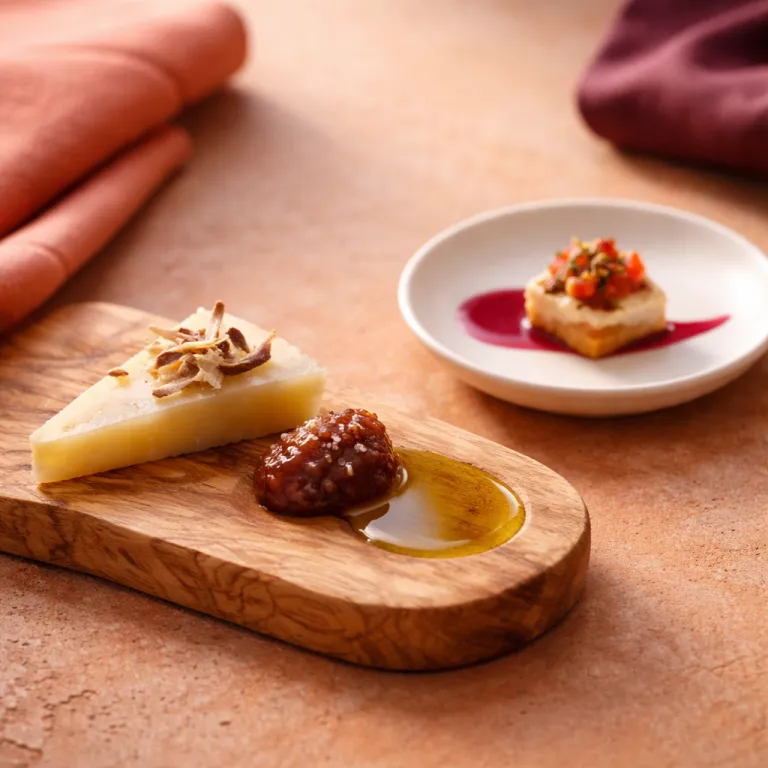
How to read luxury gastronomy hotels Tuscany: when the kitchen leads
Luxury gastronomy hotels in Tuscany live or die by the plate. In a region where almost every property claims excellent food and wine, you need a sharper filter to find the truly gourmet hotels that justify a dedicated trip across Italy. Think of each room night as a reservation at a serious hotel restaurant, where the chef, the cellar and the countryside all have to earn the rate.
Start by asking one question before you check availability for any hotels Tuscany wide: would you still drive there for dinner if you were staying elsewhere? If the answer is no, you are probably looking at a pleasant hotel restaurant rather than a destination for Tuscany gourmet travel, no matter how polished the rooms or spa may appear. The best luxury hotels in Italy Tuscany make the kitchen the heart of the property, not an amenity hidden behind the lobby bar.
Look for properties where the chef walks the olive groves and kitchen garden before writing tomorrow’s menu. These are the places where food and wine are inseparable from the landscape, and where every room and suite feels like a front row seat to the seasons in Tuscany. When you view hotel options online, ignore generic photos of pools and instead study menus, wine lists, and how clearly they talk about local producers, wine tastings and cooking classes.
Coastal glamour with a serious stove: Il Pellicano, Porto Ercole
On the Argentario coast, Il Pellicano is the rare luxury hotel where the sea views do not upstage the plate. Chef Michelino Gioia runs a Michelin-starred hotel restaurant that treats the Tyrrhenian as carefully as any inland kitchen treats the Tuscan countryside, with tasting menus that usually sit around 220–260 € per person before wine.1 Couples come for the romance of a night above the water, but they return because the dining room understands that food and wine must match the drama outside the windows.
The rooms and suites are classic rather than flashy, with terraces that frame some of the best coastal views in Italy. Book a room night during late spring or early autumn, when the heat softens and the kitchen leans into lighter seafood, tomatoes and the first new olive oil from nearby olive groves. This is when luxury feels effortless: you swim, you pause in the spa, and then you let the sommelier lead you through wine tasting flights that move from coastal Vermentino to deeper reds from inland Tuscany.
Il Pellicano suits travelers who might otherwise be looking at Mediterranean icons such as Covo dei Saraceni in Positano, yet want a more food-driven stay. Here, the focus is less on being seen and more on what arrives on the plate, which makes it one of the Tuscany best options for couples who plan their hotels around dinner. Expect taxes and service charges to lift the final bill, but the combination of sea air, precise cooking and a quietly confident team justifies the total on your statement.
Val d’Orcia depth: Rosewood Castiglion del Bosco and Castello Banfi
In the Val d’Orcia, Rosewood Castiglion del Bosco is where luxury gastronomy hotels Tuscany become a full landscape experience. The estate sits among Brunello di Montalcino vineyards, and the kitchen builds menus around the same slopes that shape the wine, with tasting menus usually between 190–230 € excluding wine.2 Autumn is the prime season here, when truffles, game and the grape harvest converge into some of the most atmospheric dining in Italy Tuscany.
Rooms and suites occupy restored farmhouses and villas, so every room night feels like staying inside a working wine estate rather than a generic hotel. The spa leans into vinotherapy, while the cooking classes take you from pasta dough to pairing with estate Brunello in a way that makes food and wine education feel indulgent instead of didactic. When you check availability, look for packages that fold in wine tastings and guided walks through the vineyards and olive groves, as these often soften the impact of later taxes and fees on à la carte experiences.
A short drive away, Castello Banfi offers another benchmark for gourmet hotels in the region. Here, the hotel restaurant focuses on pairing each course with a different expression of Banfi’s own Brunello, turning dinner into a structured wine tasting that still respects the simplicity of Tuscan dishes. For couples building a multi-stop itinerary across luxury hotels and gourmet hotels, combining Castiglion del Bosco with Castello Banfi gives you two distinct interpretations of the same countryside, both worth the journey and the room rates.
Chianti classico focus: Borgo Scopeto and Castelfalfi
North of Siena, Borgo Scopeto Wine & Country Relais shows how a historic estate can become one of the best luxury gastronomy hotels Tuscany without losing its soul. The chef leans into grilled meats, garden vegetables and Chianti Classico pairings, with tasting menus typically around 120–150 € that feel generous rather than showy.3 You stay for the stone-walled rooms and suites, but you remember the evenings when the last light hits the vineyards and the wine glasses keep refilling.
This is a hotel where cooking classes are not a side activity but a core part of the stay, often starting in the kitchen garden before moving to the stove. Couples who care about food and wine will appreciate how clearly the team talks about local producers, from olive groves to small salumi artisans, and how naturally these stories appear on the plate. When you view hotel details online, pay attention to how many nights the restaurant closes each week, because in the quieter countryside of Tuscany you do not want to drive far after a long dinner.
Castelfalfi, set in a restored medieval village, offers a slightly broader resort feel while still qualifying as one of the Tuscany best options for food-focused travelers. Multiple restaurants share a commitment to farm-to-table sourcing, and the main gourmet dining room runs seasonal menus that highlight truffles in late autumn and tomatoes in high summer. If you are comparing luxury hotels across Italy borgo style properties, Castelfalfi stands out for the way its rooms, spa and golf course support rather than distract from the central narrative of eating and drinking well.
Farm to table immersion: Il Borro Estate and the kitchen garden set
Il Borro Estate, owned by the Ferragamo family, is where the idea of luxury gastronomy hotels Tuscany becomes almost agrarian. The estate’s organic gardens, vineyards and olive groves feed a restaurant that treats every service as a snapshot of the land outside, with tasting menus usually in the 140–180 € range.4 You sleep in stone houses or villa-style suites that feel rooted in the countryside, and you wake up already thinking about what the kitchen will do with today’s produce.
For couples, the appeal lies in the rhythm of the day: a slow breakfast, a walk through the vines, perhaps a spa treatment, then a late afternoon wine tasting that slides naturally into dinner. Cooking classes here are serious, often running several hours and covering everything from fresh pasta to traditional Tuscan sauces, with a strong emphasis on pairing food and wine from the estate. When you check availability, look for shoulder season dates in late September or early October, when harvest energy fills the air and room rates can be slightly softer before taxes and other fees.
Properties like Il Borro, Borgo Scopeto and Castelfalfi form a loose network of gourmet hotels where the kitchen garden is as important as the dining room. They are ideal for travelers who might also be considering gastronomic stays on the French Riviera, such as the Yannick Alléno led opening at Le Beauvallon, yet prefer the quieter depth of Tuscany. If you are planning a longer trip that includes other food-led escapes, you can even look at adult-focused resort guides, such as curated lists of all-inclusive properties for micro weddings, to understand how different hotels position their culinary offering against room rates and service levels.
What to skip, what to book, and how to plan nights
Not every highly photographed hotel in Tuscany deserves a place on a food-led itinerary. Properties that market themselves as a chic boutique hotel with infinity pools and generic menus often disappoint travelers who care deeply about gastronomy, because the kitchen feels like an afterthought. When you see more emphasis on pool cabanas than on the chef’s name, the wine list or the provenance of ingredients, treat that as a sign to skip and direct your room night budget elsewhere.
When comparing hotels Tuscany wide, build a simple checklist: named chef, clear culinary philosophy, serious wine program, and meaningful links to local producers. If a hotel restaurant cannot explain which olive groves supply its oil or which vineyards anchor its pairings, it is unlikely to deliver a true Tuscany gourmet experience. In contrast, the luxury hotels highlighted above make it easy to understand why their dining rooms matter, and why their rooms and suites are designed around long, late dinners rather than quick room service.
Plan your itinerary around three to five nights inland and one or two nights on the coast, balancing Val d’Orcia depth with Chianti hills and a final sea breeze. Always check availability early for peak harvest and truffle periods—ideally three to six months ahead for September and October—and factor in that taxes, fees and service charges will lift the final bill by at least 10–15 percent. If you treat each booking as a reservation at a serious gourmet table rather than just another hotel in Italy, you will come home with memories measured in courses, not just in views.
Key figures on luxury gastronomy hotels in Tuscany
- Tuscany currently hosts 36 Michelin-starred restaurants, according to the 2024 Michelin Guide for Italy, which places the region among the densest fine dining landscapes in the country.5
- Annual wine production in Tuscany reaches about 2.7 million hectoliters, based on 2023 figures from Italian Wine Central and regional consortia, underscoring why wine tastings and cellar programs are central to serious hotel gastronomy here.6
Do top luxury gastronomy hotels in Tuscany offer cooking classes ?
Many leading luxury gastronomy hotels in Tuscany, including estates such as Il Borro and Borgo Scopeto, offer structured cooking classes that focus on regional recipes and seasonal ingredients. These sessions often start in the garden or vineyard before moving into the kitchen, and they usually include guided food and wine pairings. Because class sizes are small, it is wise to check availability and reserve your preferred day when you book your room, especially for peak months from May to October.
Is it necessary to reserve dining in advance at these hotels ?
Advance dining reservations are strongly recommended at serious gourmet hotels, especially during peak seasons such as harvest and truffle periods. Many hotel restaurants prioritize in-house guests, but the best tables and tasting menu slots still fill quickly. When you confirm your room night, ask the reservations team to secure at least your first dinner and any special wine tasting experiences, ideally four to eight weeks before arrival in high season.
Which luxury gastronomy hotels in Tuscany are considered standouts ?
Among the most consistently praised luxury gastronomy hotels in Tuscany are Il Pellicano on the coast, Rosewood Castiglion del Bosco and Castello Banfi in the Val d’Orcia, and inland estates such as Borgo Scopeto, Castelfalfi and Il Borro. Each combines serious kitchens with strong wine programs and a clear sense of place in the Tuscan countryside. Choosing between them depends on whether you prioritize sea views, vineyard immersion, or farm-to-table depth, as well as practical details such as proximity to Florence, Pisa or Rome airports and your willingness to drive.
1 Chef attribution and price range based on Il Pellicano’s official restaurant information and 2024 sample tasting menus (consulted March 2024 via the hotel’s dining pages).
2 Tasting menu pricing drawn from Rosewood Castiglion del Bosco’s 2024 dining program and recent guest reports (reviewed March 2024 on the resort’s official site and current menus).
3 Typical menu costs at Borgo Scopeto Wine & Country Relais referenced from 2024 seasonal menus and on-site restaurant guidance (checked March 2024 against the property’s published pricing).
4 Il Borro Estate tasting menu ranges compiled from the estate’s 2024 gastronomic offering and current sample menus (verified March 2024 using the official Il Borro restaurant descriptions).
5 Michelin-star count for Tuscany verified against the 2024 Michelin Guide Italia regional listings (consulted March 2024 on the official Michelin Guide Italy platform).
6 Wine production volume for Tuscany sourced from Italian Wine Central and 2023 data published by regional wine consortia (reviewed March 2024 using the latest regional production summaries).