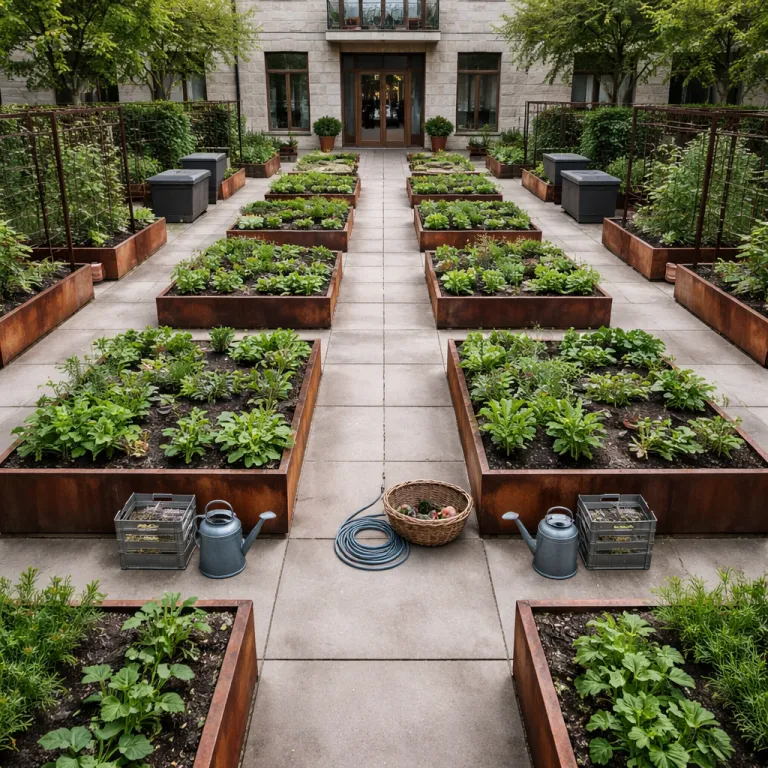
How to read between the rows of hotels with kitchen gardens in Europe
Not every property that talks about a kitchen garden actually cooks from it. The most interesting hotels with kitchen gardens in Europe treat the garden as a second kitchen, where the chef writes the menu among the vegetables and herbs rather than at a desk. When you book your next house hotel or manor stay, ask how much of the restaurant menu is genuinely shaped by the garden and how often the chef is popping outside during service.
Start with the basics ; ask for the size of the garden, the name of the head gardener and which rooms overlook the beds of herbs or the rows of vegetable crops. A serious hotel with a kitchen garden will know exactly which produce is coming into the restaurant that week, and the team will talk confidently about bitterness, umami and how they use vegetables and herbs like radicchio, endive or fermented beetroot. When a property cannot explain whether the kitchen garden supplies the tasting menus or only a garnish, you are probably not looking at the best example of garden first hospitality.
Look for signs that the garden is treated as a working farm rather than a photo backdrop. Composting, polytunnels and no dig beds show that the garden and gardens team are planning for a full year of food, not just summer salads. Couples should also ask about guest access, because the most rewarding hotels with kitchen gardens in Europe offer walking paths, harvest hour workshops and spa rituals that use herbs from the garden, turning a simple hotel stay into a quietly immersive retreat.
Le Manoir aux Quat’Saisons, Oxfordshire : the benchmark for garden led luxury
Le Manoir aux Quat’Saisons in Oxfordshire remains the clearest example of a manor where the kitchen garden dictates the plate. The house hotel sits in a tapestry of gardens that stretch to around 1.5 acres of productive beds, orchards and glasshouses, and the team treats every row of vegetables and herbs as a building block for the restaurant. Here, the award winning chef Raymond Blanc has long argued that flavour starts in the soil, and the kitchen and garden crews operate as one brigade.
The main kitchen garden is divided into neat quadrants, each supplying different produce for the two Michelin starred restaurant and its tasting menus. Expect menu du jour dishes such as beetroot three ways with garden herbs, or a plate of new season vegetables and herbs where bitterness and umami are coaxed through gentle grilling and fermentation. This is one of the rare hotels with kitchen gardens in Europe where the chef is popping into the garden between services, and where the sommelier can explain how the wine list supports the garden first philosophy.
Couples booking a stay should request rooms that face the manor lawns and the kitchen garden, then plan a half day for the garden tour and cookery school. Prices for the full tasting menus at this hotel Michelin level restaurant usually sit in the 200–260 € range per person, which reflects both the labour in the gardens and the precision on the plate. For travelers interested in how a strong chef voice survives inside a luxury hotel kitchen, the detailed analysis of Ottolenghi at Mandarin Oriental Amsterdam on this guide to a cookbook voice in a hotel kitchen offers useful context before you arrive.
Gravetye Manor, West Sussex : William Robinson’s legacy on the plate
Gravetye Manor in West Sussex is a lesson in how historic gardens can feed a modern kitchen. The Elizabethan manor house sits above one of the most influential gardens in Britain, created by William Robinson, and the current team has reinterpreted that wild yet controlled aesthetic into a highly productive kitchen garden. Here, the best rooms look over both ornamental borders and the working plots, so you wake up with a view of the same vegetables and herbs that will appear on your plate at dinner.
The kitchen garden at Gravetye Manor runs to roughly the average 1.5 acre size quoted for serious hotels with kitchen gardens in Europe, but every metre is used for food. Expect structured rows of vegetable crops, espaliered fruit and dense herb beds, all feeding a restaurant that has earned an award winning reputation for its menu du jour and seasonal tasting menus. The chef works closely with the garden team to plan which produce will peak when, so a late summer stay might bring tomato and basil tart with garden leaves, while autumn leans into squash, brassicas and deeper umami flavours.
For couples, the appeal lies in the rhythm of the day ; walk the gardens in the afternoon, then taste the same farm to table produce in the evening with a glass of English sparkling wine. Dinner menus usually fall in the 150–190 € range per person, depending on the number of courses and whether you choose the full tasting experience. If you want a broader booking framework for garden to table stays, the dedicated booking guide to garden to table hotels with kitchen gardens in Europe on Gastronomy Stay sets Gravetye Manor alongside other serious contenders.
The Newt in Somerset and other modern garden estates
The Newt in Somerset has quickly become shorthand for a new style of garden estate where the farm, spa and restaurant are tightly interwoven. This is one of the most ambitious hotels with kitchen gardens in Europe, with extensive walled gardens, orchards and a working farm that supply the kitchens with a full spectrum of vegetables and herbs. Couples who care about sustainability will appreciate how the estate uses composting, heritage varieties and low intervention farming to keep the soil and the food vibrant.
Here, the main restaurant leans into a menu du jour format that changes with whatever the gardeners harvest each morning. Expect plates built around a single vegetable or herb from the kitchen garden, such as charred leek with fermented grains, or a salad of bitter leaves that plays into the current Michelin inspector focus on bitterness and umami. The spa also draws on the gardens, using herbs and produce in scrubs and infusions, which makes a stay feel like a coherent farm to fork and wellness experience rather than a marketing story.
Price wise, tasting menus at The Newt in Somerset typically sit in the 120–160 € band per person, with à la carte options for more relaxed lunches overlooking the gardens. When you book, ask specifically which rooms are closest to the walled garden or the farm, and whether any harvest walks or gardening workshops are scheduled during your dates. For couples who alternate European trips with long haul escapes, the same editorial lens that curates these garden led estates also underpins the selection of elegant hotels in Canouan and Saint Vincent for refined Caribbean escapes, which can help you benchmark value across very different destinations.
Urban and coastal kitchen gardens : Ham Yard, Down Hall and Kelly’s Resort
Not every serious kitchen garden sits in a countryside manor ; some of the most interesting hotels with kitchen gardens in Europe are urban or coastal. In London, Ham Yard Hotel runs a compact but productive rooftop kitchen garden, where raised beds of vegetables and herbs supply the bar and restaurant with ultra fresh garnishes, infusions and small plate ingredients. The scale is smaller than a full farm, but the intent is clear, and couples can enjoy a drink among the planters before heading down to dinner.
Down Hall Hotel, on the Hertfordshire and Essex border, has invested in a larger ground level kitchen garden that feeds its main restaurant and supports a more robust menu du jour. Here, the garden and gardens team work with heirloom seeds and polytunnels to extend the season, so you might see tomatoes, courgettes and leafy greens on the plate long after other properties have switched to root vegetables. Kelly’s Resort Hotel on the Irish coast follows a similar path, using its sustainable gardens to supply vegetables and herbs to both the casual restaurant and the more formal dining room, with sea views that compete with the plates.
When assessing these properties, ask how much of the menu is genuinely garden led and whether any dishes are explicitly labelled with the kitchen garden as their source. Typical dinner pricing ranges from 80–140 € per person, depending on whether you choose a tasting menu or a shorter menu du jour, which makes them attractive entry points into the world of garden first hotels. For couples, the mix of spa facilities, sea air or city culture with a functioning kitchen garden can feel like the best of both worlds, provided the restaurant treats the produce with the same respect as a countryside manor west of London or a grand house hotel in Somerset.
No dig pioneers and how to avoid garden washing
Bishopstrow Hotel & Spa in Wiltshire shows how a no dig kitchen garden can underpin a modern country hotel. The garden and gardens here are managed with minimal soil disturbance, heavy mulching and careful crop rotation, which supports both biodiversity and the quality of vegetables and herbs heading into the restaurant. Guests can walk from the spa to the kitchen garden in a few minutes, turning a lazy afternoon into an impromptu lesson in regenerative farming.
On the plate, the restaurant leans into a relaxed menu du jour that still respects the integrity of the produce. Expect simple dishes such as roasted seasonal vegetables with herb oil, or salads that showcase leaves at their peak bitterness and crunch, rather than overworked tasting menus that hide the garden. Dinner usually falls in the 70–110 € range per person, which feels fair when you can see the beds of vegetables and herbs that shaped your meal just beyond the terrace.
Garden washing is the main pitfall in this space, and couples should be unapologetically direct when they book. Ask whether the hotel has a named head gardener, how large the kitchen garden is, and what percentage of the restaurant produce comes from on site versus external suppliers. Remember the simple definition that underpins this whole movement ; “A garden where hotels grow produce for their kitchens.” and use it as your filter when choosing between the many hotels with kitchen gardens in Europe that appear in glossy marketing but not always on the plate.
Key figures for garden led hotels in Europe
- Across Europe, around 50 hotels operate serious kitchen gardens that supply their own restaurants, according to the European Hotel Association, which makes this a focused niche rather than a mass market trend.
- The average size of a hotel kitchen garden is approximately 1.5 acres, based on data from the Hotel Gardening Journal, which is enough land to supply a significant share of vegetables and herbs for a seasonal menu.
- Industry research on sustainable travel shows consistent growth in demand for farm to table and garden to table experiences, with kitchen gardens and on property beekeeping highlighted as core wellness signals for the coming years.
- Design focused hotel groups now curate dedicated food and drink collections that only include properties with verifiable kitchen garden programmes, which helps travelers filter out garden washing and focus on genuinely productive estates.
FAQ : booking hotels with serious kitchen gardens in Europe
What should I ask before booking a hotel with a kitchen garden ?
Ask for the size of the kitchen garden, the name of the head gardener and how much of the restaurant produce comes from on site beds. Request examples of current dishes that use garden ingredients, and check whether any tasting menus or menu du jour options are explicitly built around the harvest. Finally, confirm whether guests can visit the garden and whether tours or workshops are available during your stay.
When is the best season to stay at a garden led hotel ?
Late spring through early autumn offers the widest range of vegetables and herbs, with summer usually delivering the most colourful plates. However, serious hotels with kitchen gardens in Europe use polytunnels, root cellars and preserved produce to extend the season, so winter can bring deeper flavours and more umami driven menus. If you care about a specific ingredient, ask the hotel when it typically peaks in their garden.
Are all hotel kitchen gardens organic and no dig ?
Many properties follow organic or low intervention principles, and some, such as Bishopstrow Hotel & Spa, explicitly use no dig methods. That said, not every hotel is fully certified organic, so you should ask about pesticides, fertilisers and soil management if this matters to you. A transparent answer about methods is usually a good sign that the garden is more than a marketing feature.
Can guests usually eat only from the garden during their stay ?
Even the best kitchen gardens rarely supply 100 percent of a restaurant’s needs, especially for items like grains, dairy or citrus. However, a serious garden first hotel will use its own vegetables and herbs extensively and then supplement with high quality local produce. If a property cannot point to multiple dishes that are primarily garden driven, it may not be as committed as the marketing suggests.
How far in advance should couples book garden tours or harvest experiences ?
For popular properties such as Le Manoir aux Quat’Saisons, Gravetye Manor or The Newt in Somerset, it is wise to book both rooms and garden experiences several months ahead for peak summer weekends. Midweek stays in shoulder seasons often offer more flexibility and quieter access to the gardens. Always ask the hotel to note your interest in tours, tastings or workshops at the time of booking, as spaces can be limited.
Sources and further reading
- European Hotel Association – reports on sustainability and kitchen garden adoption in hospitality.
- Hotel Gardening Journal – data on average kitchen garden sizes and horticultural practices.
- Michelin Guide – inspector insights into flavour trends linked to garden produce.