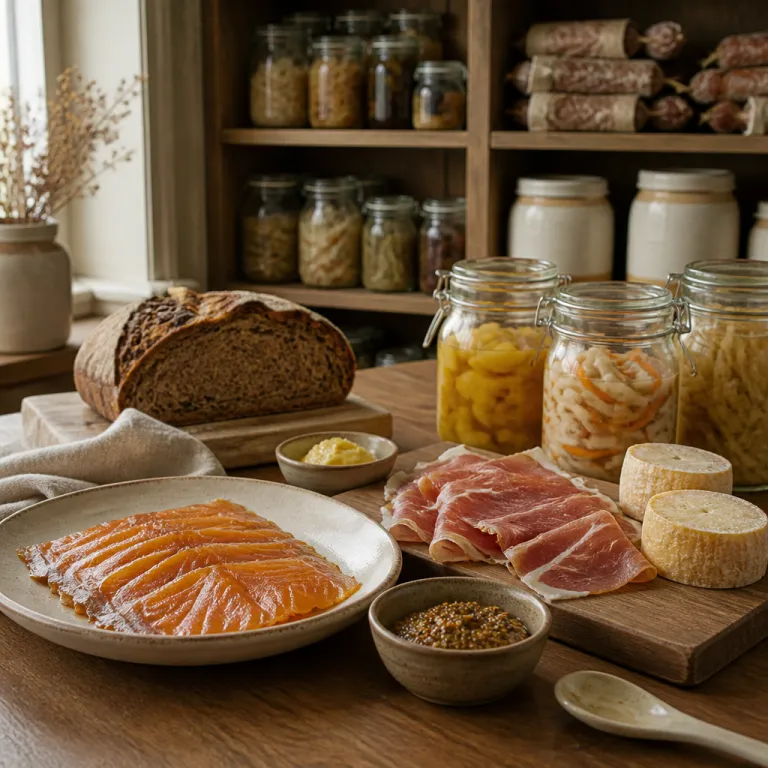
Nordic hotel fermentation preservation dining as a new kind of luxury
Nordic hotel fermentation preservation dining has shifted from niche curiosity to a serious reason to book a room. In the best Scandinavian establishments, preservation is not a backstage necessity but the narrative thread that ties the entire culinary experience together from breakfast buffet to late night bar snacks. For a solo explorer planning a stay, this means the most memorable restaurant moment may come from something that was smoked, cured or fermented long before you even chose your dates.
Across the Nordic countries, chefs have redefined what luxury cuisine means by elevating preserved food to fine dining status. Instead of relying on imported ingredients, they lean into traditional Nordic techniques that once ensured survival through long winters and now shape a confident culinary identity for the region. When you book a gastronomy focused hotel in Copenhagen or beyond, you are often booking into a living pantry where jars, crocks and ageing cabinets quietly dictate the rhythm of the dining room.
This shift did not happen in isolation from the global restaurant scene or from the influence of noma and its alumni. The post noma generation of Nordic chefs has carried preservation first thinking into hotel dining establishments, where tasting menus built around regional ingredients and careful ingredient sourcing now sit comfortably beside international classics. For travelers used to more conventional hotel restaurants, the result can feel both disorienting and thrilling, especially when a simple slice of cured fish or a spoonful of fermented barley outshines the most elaborate plated main course.
From pantry to plate: how hotel larders became the main event
Walk into the right Nordic hotel restaurant and the first thing you notice is not the open kitchen but the larder. Shelves of pickles, ferments and dried ingredients line the walls, turning ingredient sourcing into visible theatre that frames every course you are about to eat. This is where Nordic hotel fermentation preservation dining becomes both design language and culinary innovation, inviting guests to read the room before they read the menu.
Properties across Copenhagen and other Nordic cities now treat the ageing room almost like an amenity, on par with a spa or rooftop bar. Glass fronted curing cabinets display fish and game, while fermentation jars sit behind the counter like a library of future flavors waiting for their chapter in tomorrow’s tasting menus. For solo travelers who like to sit at the bar and watch service, these preserved ingredients become conversation starters with the chef or sommelier, grounding the experience in local sourcing rather than abstract luxury.
The Michelin Guide Nordic Countries recognised hundreds of restaurants in its 2024 edition, and that context matters when you choose where to stay. Many of the most interesting Nordic restaurants with one Michelin star or even three Michelin stars are now embedded in hotels, blurring the line between lodging and destination dining. At Alchemist in Copenhagen, for example, chef Rasmus Munk’s three star restaurant works closely with local producers and uses fermentations, pickles and preserved seafood as part of its multi hour experience, while guests often pair a meal there with a stay at nearby design led hotels. In Stockholm, Frantzén, another three star destination, has inspired surrounding boutique properties to highlight Nordic preservation techniques on their own menus, showing how a tiny counter or dining room can define the wider hospitality scene.
The post noma ripple: nordic chefs rewriting hotel menus
The influence of noma on Nordic cuisine is well documented, but its quieter legacy lives in hotel kitchens. Alumni trained in regional culinary discipline now run restaurants where fermentation and preservation are not seasonal gimmicks but structural pillars of menu planning. When these Nordic chefs move into hotel establishments, they bring a mindset that treats every ingredient as a long term project rather than a short lived special.
One clear example of this preservation first approach can be seen at Copenhagen’s Restaurant Barr, located in the former noma space and known for its focus on traditional techniques such as pickling, curing and fermenting grains and vegetables. Similar thinking now shapes Nordic inspired hotel concepts, where shelves of jars and crocks are as integral to the design as the chairs and tables. As one Copenhagen based chef explained in an interview with a regional tourism board, “We plan winter menus in midsummer, when the herbs are at their peak and the berries are sweetest, and the hotel becomes our pantry while the city changes season outside.” For guests, this means that Nordic hotel fermentation preservation dining is not just a tasting menu theme but a daily practice visible at breakfast, lunch and dinner.
As more international travelers seek out global Nordic experiences, hotel brands have started to treat the chef almost like a signature designer. That strategy has benefits and risks, which you can see unpacked in depth in this analysis of when the chef becomes the brand. For the solo explorer, the practical takeaway is simple; choose hotels where the chef’s preservation philosophy feels embedded in the property’s daily life, not just in a seasonal marketing campaign.
Reading the menu: a solo traveler’s guide to preserved nordic ingredients
Sitting alone in a Nordic restaurant, menu in hand, can feel daunting when half the work happened months earlier in a fermentation jar. Look for key phrases that signal preservation driven Nordic concepts, such as aged, cured, smoked, lacto fermented or simply “from the larder”. These words tell you that the kitchen is leaning into traditional Nordic techniques and that your plate will express a deeper culinary identity than a simple list of ingredients might suggest.
In many Nordic dining establishments, the most revealing choice is whether to order à la carte or commit to the tasting menus that showcase the full range of preserved food. A concise tasting menu often moves from high acid ferments to gentle smokes and finally to sweet preserved fruits, mapping the seasons of the Nordic countries in a single sitting. When the restaurant holds a Michelin star or more, expect the progression to be tightly choreographed, with each ingredient sourced through long term relationships that make local sourcing feel both intimate and global.
For travelers who care about sustainability, preservation heavy menus also speak to reduced waste and smarter ingredient sourcing. The Nordic region’s tourism bodies frequently highlight that food waste reduction is a key priority, and preservation is one of the most practical tools chefs use to achieve it. Workshops in Copenhagen and other cities now teach visitors to ask “What are traditional Nordic preservation methods?” and “Why is food preservation important?” alongside “How can I learn these techniques?” in a structured curriculum. Their answer is clear and practical; “Smoking, curing, and fermenting to extend food shelf life.”, “Reduces waste, ensures food security, and maintains nutritional value.”, “Attend workshops that demonstrate these methods step by step.”
Planning a stay: how to choose a preservation led gastronomy hotel
Choosing a hotel for Nordic hotel fermentation preservation dining starts long before you arrive at the front desk. Read the restaurant section of the property website as carefully as you would study room categories, paying attention to how often they mention Nordic ingredients, local sourcing and preservation techniques. If the language feels generic, the food probably will too; if they talk specifically about smoking chambers, curing rooms or fermentation programs, you are on the right track.
Look for hotels that collaborate with serious partners such as local fisheries, organic farms and culinary schools, because those relationships usually underpin thoughtful ingredient sourcing. Some properties even host one day workshops on traditional Nordic preservation, echoing initiatives in Copenhagen that combine live demonstrations with interactive Q&A. For a solo explorer, these events can turn a simple stay into a short culinary education, especially when the same preserved ingredients reappear at dinner in the fine dining restaurant.
Design also matters; the most interesting properties treat the larder as part of the public space, not something hidden in the basement. When you see jars and ageing cabinets integrated into the dining room, you are witnessing the same design logic explored in this feature on how hotel dining rooms quietly replaced the lobby. In these hotels, Nordic cuisine, global influences and international guests meet around preserved food that tells a story of place, season and patient craft.
FAQ
What makes nordic hotel fermentation preservation dining different from other hotel food?
Nordic hotel fermentation preservation dining treats smoking, curing and fermenting as central techniques rather than occasional accents. Chefs plan menus around preserved ingredients prepared weeks or months in advance, often using traditional Nordic methods adapted to modern fine dining. This approach creates a distinctive culinary identity where local sourcing and long term ingredient care matter as much as last minute cooking.
How can I tell if a hotel restaurant takes preservation seriously?
Serious preservation led restaurants usually talk openly about their larder, ageing rooms or fermentation programs on their websites and menus. You may see shelves of jars, curing cabinets or visible smoking equipment integrated into the dining room design, signaling that preserved food is part of the experience. Staff should be able to explain how specific Nordic ingredients were sourced and how long they have been fermenting, curing or ageing.
Are preservation focused tasting menus suitable for solo travelers?
Yes, preservation focused tasting menus work particularly well for solo travelers because they offer a structured journey through the kitchen’s philosophy. Sitting at the counter or bar in Nordic restaurants allows you to watch the chefs handle preserved ingredients and ask questions about techniques. Many Nordic chefs enjoy explaining their work, so solo guests often receive more detailed insight than larger tables.
Can I learn traditional nordic preservation techniques during my stay?
Some gastronomy hotels partner with local experts to offer workshops on smoking, curing and fermenting. These sessions may include hands on practice with tools such as smoking chambers, curing salts and fermentation jars, along with guidance on sustainable food practices. Booking a property that advertises such events can turn your trip into both a culinary experience and a practical education.
Why is food preservation important for sustainable nordic cuisine?
Food preservation reduces waste by extending the shelf life of seasonal ingredients, which is crucial in regions with short growing seasons. In Nordic cuisine, fermenting, smoking and curing allow chefs to serve local flavors year round without relying heavily on imported products. This supports local sourcing, strengthens relationships with producers and aligns luxury dining with broader environmental goals.
Sources
Food and Agriculture Organization; Wonderful Copenhagen; Michelin Guide Nordic Countries 2024; official communications from Alchemist, Frantzén and Restaurant Barr; Nordic tourism board materials on food waste reduction and culinary sustainability.