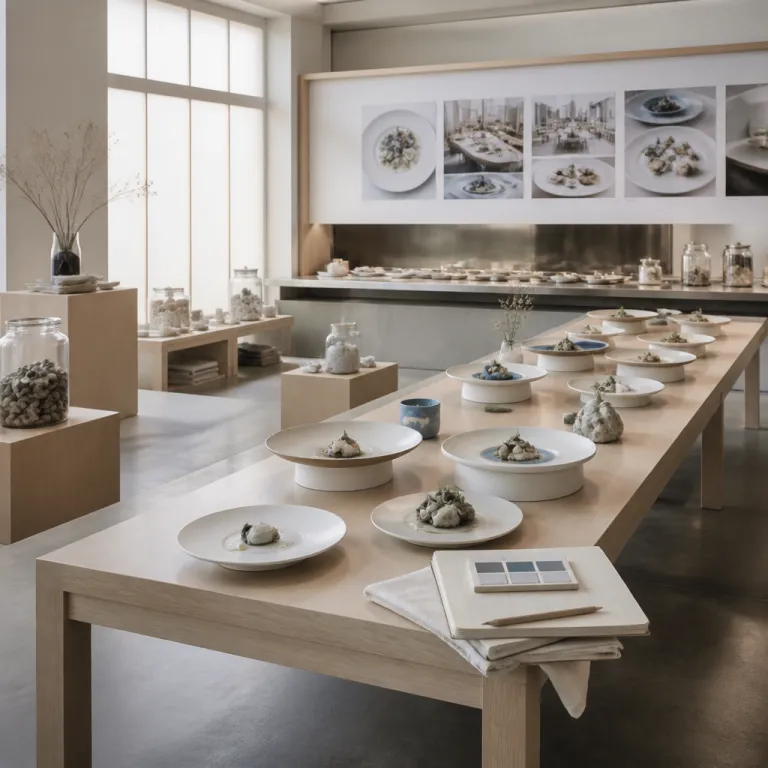
The new chef hotel concept designer partnership model
Luxury hotels are quietly rewriting the rules of the kitchen. A new chef hotel concept designer partnership model is emerging where the chef shapes the concept, but the resident équipe runs the stoves every night. For food focused couples planning a stay, this shift changes how you read a hotel restaurant promise and how you interpret every menu line.
Instead of one resident executive chef living on the pass, many luxury hotels now hire chefs as culinary concept designers who create the overarching restaurant concept and then hand it to a trained team. Industry data from a 2023 Gastronomy Stay survey of 120 upscale and luxury properties in Europe and the Middle East shows that a significant share of hotels adopting culinary concept designers do so to differentiate their dining experience and align the food and beverage offer with the brand identity. In this model, the chef hotel relationship becomes a long term project where concept creation, menu development and restaurant design are as important as nightly service rituals.
The dataset used for this article, Gastronomy Stay’s “Culinary Architects in Residence” report published in October 2023, defines the trend clearly and states that hotels hire chefs for menu design, not kitchen work, and that a culinary concept designer is a chef focused on developing menus and dining concepts without cooking duties. In that sample, 68% of hotels with named chefs described the role primarily as concept creation rather than daily cooking. As one London based f&b director quoted in the report puts it, “our star chef writes the script; our resident brigade performs it every night.” For you as a guest, that means the chef hotel collaboration is less about watching a celebrity chef plate your food and more about trusting the playbook they leave behind. The experience you taste in the dining room becomes the result of careful project management, menu engineering and a hotel partnership that treats the restaurant as a standalone brand inside the wider property.
From resident chef to culinary architect: what changes on the plate
The spectrum now runs from resident chefs who cook daily to consulting chefs who visit quarterly and pure culinary architects who only design the concept. At one end, you have a traditional executive chef living on site, leading the kitchen team and adjusting menu items after every busy service. At the other, the chef hotel concept designer partnership produces a detailed restaurant concept manual that covers everything from f&b concept guidelines to service rituals and food beverage pairings.
For couples booking a romantic stay, the key question is simple yet revealing. Does the chef actually cook in this hotel restaurant, or is their role limited to concept creation and menu development while a separate équipe executes the project day to day? The answer shapes your expectations of the dining experience, from how seasonal the menu feels to how quickly the restaurant can respond if you ask for a spontaneous off menu dish.
Properties like The Lake Como EDITION, where Mauro Colagreco oversees several dining concepts including his first Italian restaurant, illustrate how a chef can design multiple venues without being on every service. According to the hotel’s 2024 launch communications, released in March 2024, he signs four distinct outlets, from a lakefront restaurant to a cocktail led bar, while a resident brigade runs daily operations. In such hotels, the chef hotel concept designer partnership often extends to interior design, restaurant design and the choreography of the dining room, echoing the rise of intimate counters and chef led spaces explored in this analysis of a twelve seat restaurant defining a two hundred room property on Gastronomy Stay. When you book, you are not just reserving a table, you are buying into a carefully scripted culinary experience that has been engineered as rigorously as any architectural project.
Case studies: when the chef writes the script and the hotel plays it
Real world examples show how far this model can go in luxury hotels. In San Sebastián, Andoni Luis Aduriz has been involved in designing the gastronomic concept for Palacio Bellas Artes while IXO Group manages the daily restaurant operations, illustrating how a chef hotel concept designer partnership can separate authorship from execution. The result is a hotel restaurant where the menu, the service and the food philosophy carry the chef’s signature even when he is not in the dining room.
At The Lake Como EDITION, Mauro Colagreco oversees four distinct dining concepts, including Cetino as his first Italian restaurant, and each project reflects a different facet of his culinary language. In an interview for Gastronomy Stay’s 2024 hotel openings report, conducted in January 2024, a senior f&b director described the collaboration as “treating the chef like an architect of taste, with the hotel acting as the developer that brings the blueprint to life every day.” Here, the chef hotel relationship is structured so that the brand of the chef and the brand of the hotel reinforce each other, with a shared team translating his menu development into daily service while the property handles long term project management. For guests, that means you can move from a casual restaurant concept by the pool to a more formal dining room upstairs while still sensing a coherent food narrative.
This shift mirrors a broader hospitality trend where hotels hire chefs for concept development and collaborate with hospitality consultants and brand strategists to refine every element of the f&b concept. In the Gastronomy Stay dataset mentioned earlier, 54% of hotels with named chefs reported working with external design or branding studios on their restaurant projects. You can see a similar ambition in the way some Mediterranean properties position their wood fired grills and open kitchens, as analysed in Gastronomy Stay’s report on how a major luxury hotel group’s arrival in Mykonos signals serious kitchen ambitions. In each case, the chef hotel concept designer partnership is less about a single celebrity chef appearance and more about a long term partnership that anchors the hotel’s identity around its restaurant and its food beverage culture.
How to read a chef partnership before you book
When you scan a luxury hotel website, the chef’s name often appears before the room categories. Do not stop at the headline, because the real story lies in how the chef hotel concept designer partnership is structured and how that affects your dining experience over several nights. A little pre trip research on the restaurant concept can help you avoid the gap between marketing promise and what actually lands on your plate.
Start by checking whether the chef is described as executive chef, consulting chef or culinary concept designer, because each title signals a different level of daily presence. If the hotel mentions that the chef visits only for special events, you are likely dealing with a concept creation role where the resident team handles the menu items and the service rituals the rest of the year. Ask the reservation team direct questions about who writes the menu, who leads the kitchen brigade and how often the headline chef is physically in the hotel restaurant.
Next, look for clues in the design and layout of the dining room, because serious restaurant design often indicates a deeper investment in the f&b concept and the long term project. A property that has aligned its interior design, its food beverage list and its service style usually treats the restaurant as a core brand pillar rather than a simple amenity. For couples sensitive to noise and atmosphere, it is also worth reading specialist coverage such as Gastronomy Stay’s feature on acoustic luxury in hotel dining rooms, which explains how thoughtful design can make conversation as effortless as the service.
What this means for your stay: risks, rewards and red flags
For travellers, the rise of the culinary concept designer brings both opportunity and risk. On the positive side, a well structured chef hotel concept designer partnership can deliver a more coherent dining experience across several restaurants, bars and in room dining. When the same culinary mind shapes the food philosophy, the menu items and even the service rituals, every touchpoint in the hotel feels part of one story.
The risk appears when the chef moves on and the hotel fails to refresh the project, leaving a restaurant concept frozen in time while the marketing still trades on an old name. In such cases, the guest walks into a luxury hotel expecting a living partnership with a chef and instead finds a tired menu and a team cooking on autopilot. This is where strong project management and clear hotel partnership contracts matter, ensuring that the restaurant design, the menu development and the food beverage offer evolve even if the original chefs step away.
As you plan a romantic escape, treat the chef’s name as the beginning of your research, not the end. Read recent reviews that mention specific dishes, ask the hotel how the kitchen team is trained and look for signs that the brand invests in ongoing culinary events rather than one off celebrity chef launches. When those elements align, the chef hotel concept designer partnership can turn a simple hotel stay into a layered dining journey where breakfast, lunch and dinner each feel like a considered chapter rather than a generic service.
FAQ
What exactly is a culinary concept designer in a hotel context ?
A culinary concept designer in a hotel is a chef who focuses on creating the overall restaurant concept, menu structure and food philosophy rather than cooking every service. They define the f&b concept, the style of menu items and often influence restaurant design and service rituals. A resident team then executes this playbook daily under the guidance of an executive chef or restaurant manager.
How can I tell if the headline chef actually cooks in the hotel restaurant ?
The clearest indicator is the chef’s title and how the hotel describes their role. If they are named executive chef and based on site, they usually lead the kitchen team and cook regularly, while a consulting chef or culinary concept designer typically visits only for menu development or special events. Before booking, ask the hotel how often the chef is present and who runs the pass on a normal evening.
Does a chef hotel concept designer partnership affect food quality ?
Food quality depends less on whether the chef is present nightly and more on how strong the partnership and project management are. When the concept creation is detailed and the hotel invests in training, sourcing and consistent service, the dining experience can be excellent even without a celebrity chef on the pass. Problems arise when the concept is not updated or the team is not supported, leading to menus that feel dated or poorly executed.
What should couples look for when choosing a gastronomy focused luxury hotel ?
Couples should look beyond the chef’s name and examine the whole ecosystem of the hotel restaurant. Key signs include a clear restaurant concept, thoughtful interior design in the dining room, a coherent food beverage list and evidence of ongoing culinary events or seasonal menu changes. Reading detailed reviews and asking the hotel specific questions about the chef partnership will help you choose a property where the kitchen is as serious as the suites.
Why are more hotels hiring chefs for menu design instead of daily cooking ?
More hotels are hiring chefs for menu design because it allows them to access high level culinary expertise while maintaining operational flexibility. This model helps align the restaurant concept with the hotel brand, supports multiple venues under one food philosophy and can be scaled across several properties. For guests, it often results in more distinctive menus and a stronger sense of identity, provided the resident team is well trained and the partnership is actively maintained.