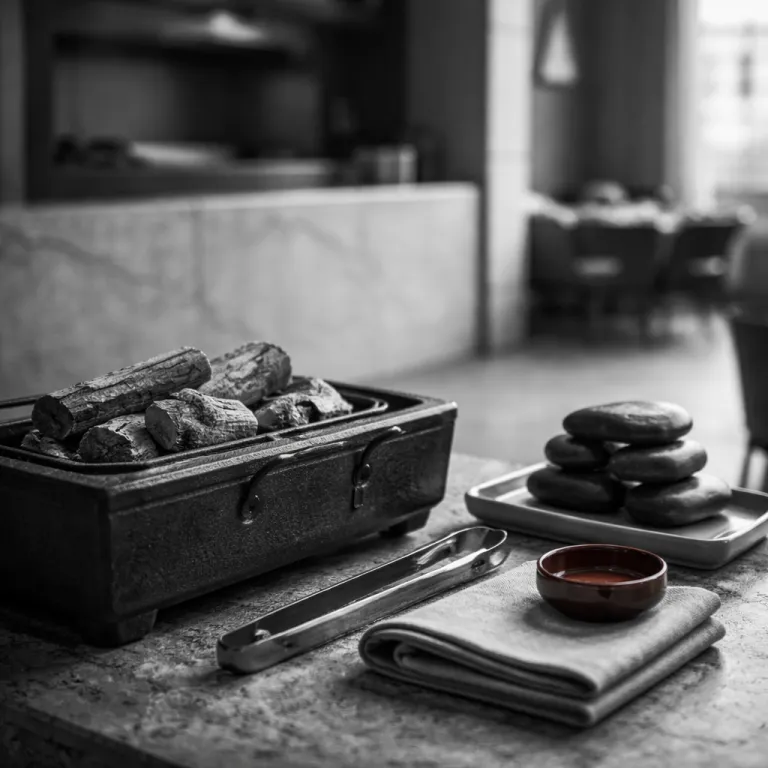
The new allure of fire cooking luxury hotel restaurants
Fire cooking luxury hotel restaurants have shifted from rustic novelty to serious gastronomic stage. In the most ambitious restaurant of a luxury hotel, the live fire now shapes the entire dining experience, from the first drink at the bar to the final petit four. Couples choosing where to stay increasingly ask which restaurants cook over fire, not just which city views the dining room offers.
Chefs in leading luxury restaurants use open fire grilling, binchotan charcoal and hot stones to coax depth from local seasonal ingredients that gas simply cannot match. Industry reports from groups such as the National Restaurant Association and World’s 50 Best note a marked increase in fire based methods in high end cuisine, and this revival of fire cooking in fine dining is no passing fad. In the 2023 National Restaurant Association “What’s Hot” survey, for example, open flame cooking and live fire grilling appeared among the top culinary trends, while World’s 50 Best has highlighted restaurants such as Asador Etxebarri in Spain and Ekstedt at The Yard in London as benchmarks for wood fired gastronomy.
For travelers, the question is practical; which hotel will turn this trend into something worth booking a room for. A fire focused restaurant bar can transform a short city break into a fully immersive dining experience, especially when the bar will echo the hearth with smoked cocktails and oak aged spirits. On gastronomy focused booking platforms, the main content now highlights where a live fire grill, a rooftop bar with a terrace, or a wood fired oven will fuel both the menu and the mood, often naming specific tasting menus or counter seats by the flames.
What embers, smoke and char really do to luxury ingredients
In serious fire cooking luxury hotel restaurants, the flames are not a gimmick but a precision tool. A chef working over embers or binchotan can layer textures and aromas, using different heat zones in the fire to move a single piece of food through stages of gentle smoke, fierce sear and slow resting. This is why the best restaurant teams now treat the hearth as carefully as a pastry kitchen, calibrating every area of the grill.
Open fire grilling over oak or other hardwoods adds a spectrum of flavor that induction cannot reproduce, especially when the hotel sources wood to match its terroir. Fat dripping onto coals creates fleeting aromas that wrap a dining room in a subtle haze, while hot stones hold steady heat for delicate fish or vegetables. Trade publications such as Restaurant Hospitality and Fine Dining Lovers have highlighted a sharp rise in wood and charcoal cooking in high end restaurants, and Michelin inspectors now routinely reference live fire techniques when assessing a dining experience, from ember roasted lobster to charred leek tartlets.
For couples booking a romantic stay, this matters because the plate tells the story of the place. A mountain hotel might serve wood fired venison over hot stones, while a coastal property will offer ember roasted shellfish that tastes of both smoke and sea. When you read a hotel description or a review of a signature restaurant bar, look for specifics about which tools the chef uses, how the fire will fuel the menu from breakfast lunch through dinner, and whether the team treats live flames as the main content of the cuisine or just a marketing line; this is where honest guides to signature restaurant partnerships become invaluable, especially in pieces on how the chef becomes the brand.
How fire reshapes the room, the wine list and the mood
Once a hotel commits to fire cooking, the entire dining room must adapt. An open hearth or a wood fired oven becomes the visual anchor of the restaurant, pulling attention away from the city skyline or mountain view and toward the choreography of the grill. Couples seated at the counter or near the fire often describe the dining experience as theatre, with the chef and équipe moving between embers and pass in a constant, hypnotic rhythm.
This theatre has consequences for sound, scent and service flow, which is why the best fire cooking luxury hotel restaurants invest heavily in ventilation and layout. Done well, the room feels warm and intimate, with just enough smoke aroma to frame the food without clinging to clothes. Done badly, the same fire will overwhelm the bar area, send smoke into guest corridors and turn what should be one of the best places to eat drink in the hotel into a space guests avoid.
Wine and drinks programs also shift when live fire leads the cuisine, because char and smoke change how tannins, acidity and sweetness register on the palate. Sommeliers in these restaurants often lean into amphora aged whites, lighter reds and fortified wines, while the bar will offer cocktails built around grilled citrus, smoked salt or charred herbs. As one sommelier at a Scandinavian fire led dining room puts it, “smoke softens tannins but amplifies bitterness, so we reach for wines with bright fruit and a saline edge rather than heavy oak.” If you care about pairings, read how the hotel describes its restaurant bar, check whether the rooftop bar or terrace lists fire influenced drinks, and use in depth guides to unique culinary hotel experiences to benchmark what a truly integrated fire driven program looks like.
Five ways hotels turn live fire into a full stay experience
Some of the most persuasive fire cooking luxury hotel restaurants sit in mountain settings, where a hearth feels almost inevitable. Picture a high altitude hotel where the main restaurant uses a traditional parrilla grill for dinner, then shifts to ember roasted fruit and wood fired flatbreads at breakfast lunch service. In these properties, the same fire will fuel a year round narrative, from slow cooked game in winter to charred local seasonal vegetables in summer.
Coastal hotels take a different approach, often building a terrace or rooftop bar around a live fire pit or hot stone station. Here, the restaurant bar might serve skewers of just caught fish over open embers, while guests sip a drink infused with smoked sea salt and watch the city lights or the ocean horizon. When live music plays on friday saturday evenings, the combination of fire, sound and night air can turn a simple bar area into one of the most atmospheric places to eat drink in the region.
Urban hotels, including those in major hubs such as Washington or other capital city centers, increasingly design signature restaurants around a central hearth that remains open all day. A wood fired oven might produce blistered pizza at lunch, then slow roast whole fish for dinner, while a separate grill handles steaks and vegetables for guests who come only to the restaurant, not the hotel. For travelers comparing options on gastronomy focused booking sites, look for properties where the fire cooking is clearly described as the main content of the culinary concept, and where editorial features on refined cigar lounges or luxury gastronomy hotel collections show how the entire property is curated around sensory experiences.
How to read a fire led hotel listing like an insider
When you scan a booking page for fire cooking luxury hotel restaurants, start with the layout of the spaces. Does the description separate the dining room, the bar area and any rooftop bar or terrace, or does everything blur into one generic restaurant. Clear zoning usually signals that the hotel understands how fire, smoke and sound travel, and that the restaurant bar will offer distinct moods for couples who want either quiet conversation or a more social evening.
Next, look for specific language about tools, fuels and menus, not just vague references to grill or smoke. Serious properties mention oak or other hardwoods, Josper ovens, parrilla grills or hot stones, and they explain how these shape the cuisine across breakfast lunch and dinner. Phrases such as live fire, wood fired oven or hot stone counter should appear in the main content of the listing, not buried in a footnote, and the hotel will often highlight how the fire cooking allows them to feature local seasonal produce and meats.
Finally, pay attention to how the hotel communicates beyond the static listing, because the best restaurants treat their hearth as a living project. Many will open up their process on social channels, so it is worth taking a moment to follow social accounts where the chef shares new dishes, behind the scenes shots of the fire and updates on special friday saturday menus. When a property explains that the bar will offer ember kissed cocktails, that the flames will fuel both relaxed lunches and late night pizza, and that the restaurant bar and dining room rank among the best places to eat drink in the city year round, you can be confident that the fire cooking is more than a design feature.
FAQ
Why are more luxury hotel restaurants cooking over fire
High end hotels are embracing fire cooking because it delivers distinctive flavors and a memorable dining experience that guests increasingly seek. Data from culinary institutes and trade bodies shows a clear rise in open fire grilling, binchotan charcoal and hot stone techniques in fine dining. For travelers, this means more hotel restaurants where the hearth is central to both the cuisine and the room atmosphere.
Is fire based cooking safe inside a hotel dining room
Fire based methods are safe indoors when hotels invest in proper equipment, ventilation and layout. Modern hearths, Josper ovens and parrilla grills are engineered to manage heat and smoke, provided they are installed and maintained correctly. Reputable luxury properties work closely with specialists to ensure that guests enjoy the theatre of live fire without discomfort or safety concerns.
What is binchotan and why do chefs use it in hotels
Binchotan is a dense, high quality charcoal from Japan that burns at a steady temperature with very little smoke. Chefs in luxury hotel restaurants value it because it allows precise control over grilling, especially for delicate fish, vegetables and premium meats. Its clean burn also helps keep the dining room air more comfortable while still delivering the flavor benefits of charcoal cooking.
How can I tell if a hotel really focuses on fire cooking
Look for detailed descriptions of the hearth, the type of wood or charcoal used and how the fire shapes menus across the day. Serious fire led properties highlight live fire or wood fired dishes in their main content, mention tools such as hot stones or parrilla grills and often share behind the scenes images on their social channels. If the listing only uses vague terms like grilled or smoked without specifics, the fire element is likely secondary.
Do fire led hotel restaurants work well for romantic stays
For many couples, a well designed fire led restaurant adds intimacy and drama to a stay, especially when seating near the hearth is balanced with quieter corners. The glow of embers, the rhythm of the kitchen and, in some cases, live music on weekend evenings can turn dinner into the highlight of a trip. When booking, check whether the hotel offers both counter seats by the fire and more secluded tables, so you can choose the mood that suits your evening.