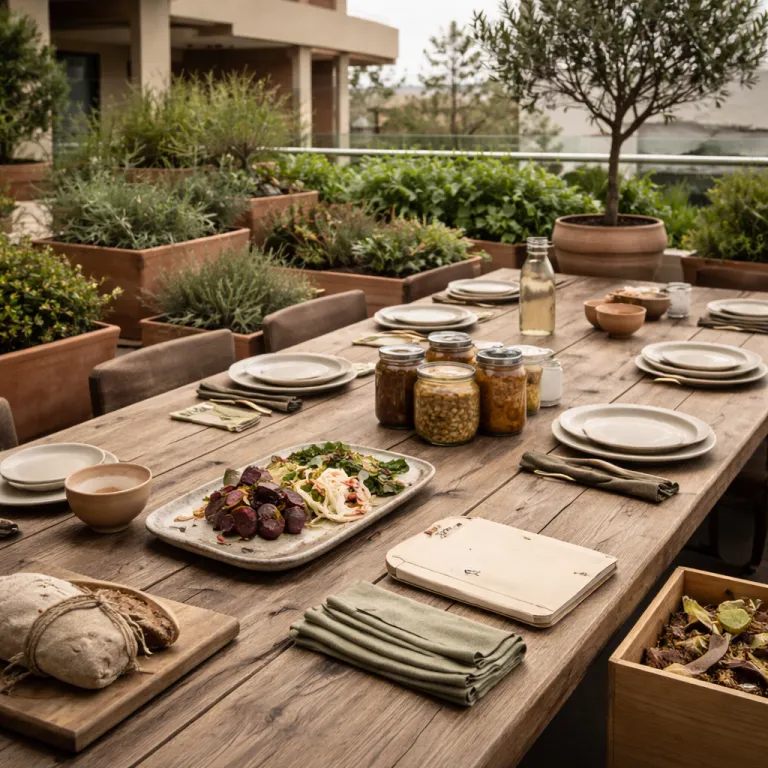
How zero waste luxury hotel restaurants actually cook: from whole fish to citrus peels
Zero waste luxury hotel restaurants start with a simple idea: every ingredient that enters the kitchen must have a purpose. The hospitality industry is finally treating waste as a design flaw rather than an inevitable by-product, and that shift is reshaping how chefs write menus and how hotel operations are planned. For you as a guest, the result is food that feels both indulgent and precise, with sustainable practices woven into every plate.
On the pass, you will see chefs breaking down whole animals, not just premium cuts, for the hotel restaurant menu. Shoulder becomes a slow braise for room service, bones enrich ramen-style broths in the bar, and rendered fat seasons vegetables in the hotel’s restaurants that share the same supply chain. This approach to food waste turns what used to be a cost of waste management into flavour-driven solutions that quietly reduce environmental pressure without sacrificing pleasure.
Vegetable trim is where the real creativity shows in these restaurants. Carrot tops become herbaceous pesto for house-made pasta, leek greens are charred then blitzed into an oil that glows emerald on the plate, and citrus peels are dried for bitters or distilled into zero waste cocktails that taste unexpectedly complex. Fermentation rooms hum behind the scenes, where organic waste such as cabbage cores, overripe fruit and stale bread are transformed into miso, vinegars and garums that give the food a deep, savoury backbone. As chef Dan Barber has argued in interviews about whole-farm cooking, “waste is just a failure of imagination,” and these kitchens are determined not to fail.
Technology now sits beside the chopping boards in the most forward-thinking hotels. Digital tracking systems monitor food waste leaving the pass, feeding hotel technology dashboards that show exactly where the hospitality business is losing flavour and money. This level of data-driven waste management lets hotel teams adjust portion sizes, refine menus and reduce waste in real time, which is good for both sustainability metrics and the bottom line. Industry case studies compiled by the World Resources Institute and partners indicate that hotels using structured measurement programmes can cut food waste by roughly one-third within a year, a figure that is now widely cited in sector reports.
Zero waste is not only about what happens in the kitchen but also about how guests move through the space. Many eco friendly hotels now offer filtered water stations instead of plastic bottles, compostable bathroom amenities and free refills for in-room carafes, which quietly reduce environmental impact without feeling worthy or restrictive. When you see a technology-focused hotel using digital menus that update daily to reflect what the garden actually produced, you are watching sustainable practices become part of everyday hospitality, not a marketing slogan.
Where the sourcing radius matters: five hotels whose restaurants live their values
Some luxury hotels talk about sustainability; a smaller group can show you the map. At properties where zero waste luxury hotel restaurants are taken seriously, the sourcing radius is not a vague promise but a clear number, often under 15 km, that shapes every course. This is where the circular economy stops being a theory and becomes the logic behind your breakfast eggs and your late-night bar snacks.
At Bardessono Hotel and Spa in Yountville, the Lucy restaurant leans on an organic garden that sits just a few metres from the dining room. Menus are written around what the beds yield that week, with food waste from prep returning to the soil through on-site composting systems that close the loop for the hotel operations team. Bardessono’s own sustainability overview notes that the property is LEED Platinum certified and diverts a high proportion of organic material from landfill, which supports the claim that waste reduction is built into daily routines. When you order a tomato salad here, you are tasting a hospitality model that treats eco friendly growing and waste reduction strategies as non-negotiable rather than optional extras.
Carmel Valley Ranch in California pushes the roots-to-table idea even further. The hotel restaurant works with a tight network of nearby farms, beekeepers and cheesemakers, with some reports suggesting that up to half of ingredients travel less than 15 km from field to plate. In practice, that means chefs can plan sustainable menus that respond to real weather patterns and harvest cycles, reducing the need for long-haul supply chain logistics that increase environmental impact. The resort’s own materials highlight its on-site apiary and organic garden as core to the culinary programme, reinforcing how sourcing and waste are managed together.
Across the Atlantic and Indian Oceans, groups such as Six Senses Hotels, 1 Hotels and Soneva Resorts have turned eco luxury into a defining feature of their hospitality businesses. Their hotel restaurants often publish sourcing statements that specify what percentage of seafood meets strict sustainability standards and how much organic waste is composted or upcycled into staff meals. Six Senses, for example, reports in its sustainability summaries that several of its properties divert more than 90 % of waste from landfill, while Soneva has publicly shared figures on glass recycling and food waste composting in its annual impact reports. When you read those statements carefully, you can see how waste management, hotel technology and sustainable practices intersect to create both flavour and accountability.
In urban settings, properties such as The Ritz-Carlton, Hong Kong and Parkroyal Collection Pickering in Singapore have also documented ambitious food waste reduction and on-site composting initiatives in their environmental, social and governance disclosures. These hotels show that circular thinking is not limited to rural retreats with gardens but can be integrated into dense city hospitality businesses through careful sourcing, kitchen design and partnerships with local recyclers.
If you want to go deeper into how ultra local sourcing changes flavour, look for properties that commit to a defined radius for key ingredients and explain why it matters in their menus. A useful reference is the kind of thinking explored in this analysis of a twelve mile menu and ultra local sourcing, where the focus is on how distance shapes taste rather than just carbon numbers. When hotels adopt similar strategies, they can reduce waste in transit, support local businesses and give guests a more real sense of place on the plate.
Reading the fine print: how to separate real sustainability from greenwashing
For travellers who actually read the sourcing statement, the language around sustainability can feel crowded and confusing. The hospitality sector has learned that words like eco friendly, sustainable and zero waste sell rooms, but not every hotel has the management discipline to back those claims with data. Your job is to read between the lines and ask the questions that reveal whether a property is serious or simply following a trend.
Start with certifications and third-party recognition, but do not stop there. A Michelin Green Star can signal that a hotel restaurant is taking sustainable practices seriously, yet you still need to look at how they handle food waste, organic waste and the broader environmental impact of hotel operations. Ask whether the hotel technology includes structured waste tracking or other tools that measure waste reduction efforts, because numbers tell a clearer story than slogans. UNEP’s Food Waste Index Report 2021, for instance, estimates that around 17 % of global food production is wasted each year, a statistic that underlines why credible measurement tools matter.
Menus are another reliable indicator of intent. Zero waste luxury hotel restaurants often explain how they use whole animals, seasonal gluts and preserved ingredients, sometimes listing the farms or fishing boats by name, which shows a transparent supply chain. When restaurants and hotels publish daily changing menus that respond to what is genuinely available, you are seeing hospitality businesses that let the land and sea lead rather than forcing a fixed concept.
Price can also reveal priorities. If a property charges a premium but cannot explain how its environmental footprint is being reduced through waste management, energy choices and sourcing, you are probably paying for marketing rather than meaningful change. By contrast, some of the best eco friendly hotels quietly include the cost of composting systems, staff training and technology investments in their rates, framing them as part of doing good business rather than optional extras.
When in doubt, ask very specific questions before you book. How do you reduce waste in the kitchen and bar; what percentage of food waste is composted or upcycled; do you work with local farmers under long-term agreements that support a circular economy for the region. The way a reservations team answers will tell you whether sustainability is embedded in the hospitality culture or just a line on the website.
What it costs to eat with integrity: pricing, value and the zero waste premium
Luxury travellers often assume that zero waste fine dining must cost more, but the reality is more nuanced. When hotels treat waste as a resource and invest in smart waste management, they can sometimes offer better value than comparable restaurants that still send kilos of food to landfill each night. The question is not whether the menu is cheap or expensive, but whether the price reflects real sustainability efforts and a thoughtful approach to hospitality.
Whole animal cookery and root-to-leaf vegetable use allow chefs to buy exceptional produce at a better overall cost per kilo, which can offset the investment in technology and staff training. Digital systems that track food waste help hotel operations teams refine purchasing, so they order exactly what they need and reduce environmental impact from unnecessary deliveries. Over time, this kind of hotel technology can lower operating costs, allowing some hotel restaurants to keep prices in line with or even below traditional fine dining peers. A joint study by WRAP and the World Resources Institute on business food waste programmes reported that, on average, hospitality and food service operators saved several dollars for every dollar invested in reduction initiatives, a ratio that explains why more luxury properties are adopting these tools.
There is also a value question beyond the bill. When you pay for a tasting menu in one of the best zero waste luxury hotel restaurants, you are buying into a hospitality industry experiment where flavour, ethics and innovation meet on the plate. You might taste a broth made from fish bones that would once have been discarded, or a dessert built around surplus bread and fruit, and realise that sustainable practices can feel more indulgent than conventional luxury. As one hotel F&B director in a Green Key-certified property put it in a recent panel discussion, “our guests don’t come for lectures on waste; they come for delicious food that just happens to be smarter.”
Transparency helps you judge whether the premium is justified. Look for menus or room compendiums that explain how the hotel restaurant handles organic waste, what percentage of ingredients are sourced locally and how the sustainability standards they follow compare with peers. When a property shares this level of detail, it signals confidence in its waste reduction strategy and respect for guests who care about where their money goes.
If you want to align your spend with your values, focus on hotels that treat sustainability as part of their core management philosophy rather than a marketing add-on. A useful perspective on why many high-end travellers now choose properties based on the kitchen can be found in this piece on booking a hotel by the restaurant, which shows how food-led decisions are reshaping the hospitality businesses landscape. In that context, paying a little more for a room that supports a circular economy and serious waste management can feel like a very good deal.
Booking strategy: aligning your stay with harvests, menus and minimum nights
Securing a table at the most interesting zero waste luxury hotel restaurants now requires as much planning as booking the suite. These are not anonymous hotel dining rooms but destination restaurants that drive occupancy, which means you need to think about harvest calendars, minimum stay rules and how the hospitality industry structures its packages. Treat the restaurant as the anchor of your trip, and plan everything else around that plate of late-summer tomatoes or that whole grilled fish.
Seasonality is your first filter when choosing between hotels. Properties with serious sustainable practices will be honest about when their gardens, orchards or partner farms are at their peak, and they may even adjust room rates to encourage visits outside the obvious high season. If a hotel restaurant relies heavily on its own organic waste composting and kitchen garden, visiting during the main harvest months will give you the most vivid sense of how the circular economy works on site.
Next, pay attention to booking formats. Some of the best eco friendly hotels run tasting-menu-only restaurants with limited covers, which can sell out weeks in advance even when rooms are still available. Others keep a more flexible à la carte offer for in-house guests, but may require a minimum two-night stay to guarantee a table, especially in smaller hotels where the hospitality team uses dining revenue to balance overall management costs.
Communication before arrival is crucial if you care about food waste and sourcing. Email the reservations team to ask whether the chef can accommodate your preferred night, whether there are any special zero waste events during your stay and how the hotel operations schedule interacts with local markets or fishing days. The most responsive hospitality businesses will share specific details about deliveries, preservation projects and even the technology systems they use to track waste and inventory.
Finally, think about how you want to engage with the property beyond the plate. Many hotels now offer free garden tours, composting workshops or cooking classes that show how chefs transform trim into sauces and snacks, which can deepen your understanding of the environmental impact of your stay. When you leave with a clearer sense of how to reduce waste at home, the trip feels less like a one-off indulgence and more like part of a longer sustainable journey.
Tech, tracking and the new language of responsible luxury
The quiet revolution behind zero waste luxury hotel restaurants is happening in the back of house, where technology meets tradition. Kitchens that once relied on instinct alone now pair chef intuition with structured waste tracking, giving the hospitality industry a new set of tools to understand exactly what is being thrown away. This blend of craft and data is reshaping how hotels think about waste, cost and guest experience.
Modern hotel technology platforms can log every tray of leftovers, every pan of unused sauce and every plate returned with uneaten garnish. Over a few weeks, patterns emerge that help management teams adjust portion sizes, redesign menus and retrain staff, which in turn reduces food waste and improves margins. When hospitality businesses see the real numbers, they often realise that reducing waste is not just good for sustainability but also for profitability.
These systems also support more transparent communication with guests. A technology-led hotel that can say it has cut organic waste by a specific percentage over a defined period, thanks to careful measurement and smarter purchasing, is speaking the language of measurable environmental impact. For travellers who care about the hospitality sector footprint, such data points are more convincing than vague promises about being eco friendly or green.
Partnerships matter here as well. Many leading hotels work with organisations such as UNEP, local farmers and specialised suppliers to refine their waste management strategies and align with global sustainability goals. This collaborative approach helps the hospitality industry move towards zero waste standards that can be shared across regions, rather than each hotel reinventing the wheel in isolation. Industry initiatives like the Sustainable Hospitality Alliance and the Global Tourism Plastics Initiative, which UNEP co-leads, give hotels frameworks and benchmarks for tracking progress.
As these tools become more common, expect the definition of responsible luxury to evolve. Guests will increasingly ask how a hotel restaurant uses technology to reduce environmental harm, how its supply chain is monitored and how its operations integrate sustainable practices into daily routines. In that context, zero waste becomes less of a niche concept and more of a baseline expectation for the best hotel restaurants worldwide.
How to be a better guest in zero waste luxury hotel restaurants
Even the most advanced zero waste systems rely on one unpredictable factor: the guest. Your choices at the table and around the property can either support or undermine the sustainable practices that hotels work so hard to implement. The good news is that a few thoughtful decisions can significantly reduce your personal environmental impact without feeling restrictive or joyless.
Start by engaging with the menu rather than defaulting to familiar dishes. Ask your server which plates best reflect the zero waste philosophy, whether that means a whole fish special, a dish built around preserved vegetables or a dessert that uses surplus fruit from breakfast service. When guests reward these efforts with their orders, chefs and management teams have a clear signal that investing in circular economy thinking is good hospitality, not just an ethical obligation.
Portion awareness is another simple but powerful tool. If you know you prefer lighter meals, say so when you order, so the kitchen can adjust and avoid unnecessary food waste that will end up in compost or, worse, landfill. Many eco friendly hotels are happy to split courses, offer half portions or send sauces on the side, because this kind of flexibility aligns with their waste management goals and their broader sustainability strategy.
Beyond the restaurant, pay attention to how you use amenities and services. Refill your water bottle at filtered stations instead of requesting multiple plastic bottles, decline daily linen changes unless necessary and be realistic when ordering room service, especially in hotels where the hospitality team is still learning how to manage waste reduction practices. These small acts help hotel operations teams maintain the balance between guest comfort and environmental responsibility.
Finally, share feedback that goes beyond the usual praise for good food and comfortable beds. Mention the zero waste initiatives that impressed you, ask whether the hotel plans to expand its sustainable practices and, if appropriate, suggest ideas drawn from other hotel restaurants you have visited. When travellers who care about these issues speak up, they give hospitality businesses a clear mandate to keep pushing towards zero waste and to treat sustainability as a core part of luxury, not a passing trend.
Key figures shaping zero waste luxury hotel restaurants
- Global initiatives led by UNEP aim to cut overall food waste by 50 % by 2030, a target echoed in the UN Sustainable Development Goal 12.3 and one that is pushing the hospitality industry to adopt stricter waste management and tracking systems.
- Some leading luxury hotels now source around 50 % of their ingredients within roughly 15 km of the property, according to their own sustainability reports, which reduces supply chain emissions and strengthens relationships with local businesses.
- In several eco focused properties, on-site gardens can supply close to 45 % of meals served during peak harvest months, significantly lowering the environmental impact of transport and packaging while giving chefs more control over quality.
- Seafood programmes at the best sustainable hotel restaurants often reach or exceed 90 % compliance with recognised sustainability standards, as documented in group-level sourcing policies, showing how targeted purchasing can reduce pressure on marine ecosystems.
- As zero waste dining becomes more common in high-end hospitality, digital waste tracking and similar hotel technology tools are rapidly moving from experimental pilots to standard equipment in forward-thinking kitchens, a trend highlighted in recent reports by the World Resources Institute and industry partners.
FAQ about zero waste fine dining in luxury hotels
What is zero waste fine dining in a hotel context ?
Zero waste fine dining in hotels refers to restaurant operations that aim to eliminate food waste by using whole ingredients, preserving surplus produce and composting or upcycling organic waste. It combines sustainable practices in the kitchen with thoughtful hotel operations, from purchasing to guest communication. The goal is to reduce environmental impact while maintaining or elevating the level of hospitality and flavour.
Which luxury hotel groups are known for zero waste initiatives ?
Several high-end groups have become reference points for zero waste luxury hotel restaurants, including Six Senses Hotels, 1 Hotels and Soneva Resorts. These businesses integrate eco friendly design, local sourcing and advanced waste management into both their rooms and restaurants. Their hotel restaurants often serve as laboratories for the wider hospitality sector, showing how sustainability and luxury can reinforce each other.
How do hotels actually achieve zero waste in their restaurants ?
Hotels combine traditional techniques such as whole animal butchery, fermentation and preservation with modern technology like structured waste tracking. They work closely with local farmers and suppliers to design a resilient supply chain that supports a circular economy and reduces over-ordering. As one expert summary puts it, "How do hotels achieve zero-waste dining?" and the answer is clear: "Through careful measurement, upcycled cooking, and local sourcing."
Does zero waste fine dining cost more than conventional luxury dining ?
Pricing varies, but zero waste does not automatically mean more expensive. While there can be upfront costs for technology systems and staff training, better waste management and smarter purchasing often lower long-term expenses. Many of the best eco friendly hotels choose to reinvest these savings into ingredient quality and staff, offering strong value for guests who care about both taste and sustainability.
How can I check if a hotel restaurant is genuinely sustainable before booking ?
Look for detailed sourcing statements, clear information about food waste and organic waste handling, and evidence of partnerships with local businesses or recognised sustainability organisations. Ask specific questions about how the hotel operations team reduces waste, what percentage of ingredients are local and whether any certifications, such as a Michelin Green Star, apply to the restaurant. Genuine zero waste luxury hotel restaurants will usually respond with precise, transparent answers rather than vague marketing language.