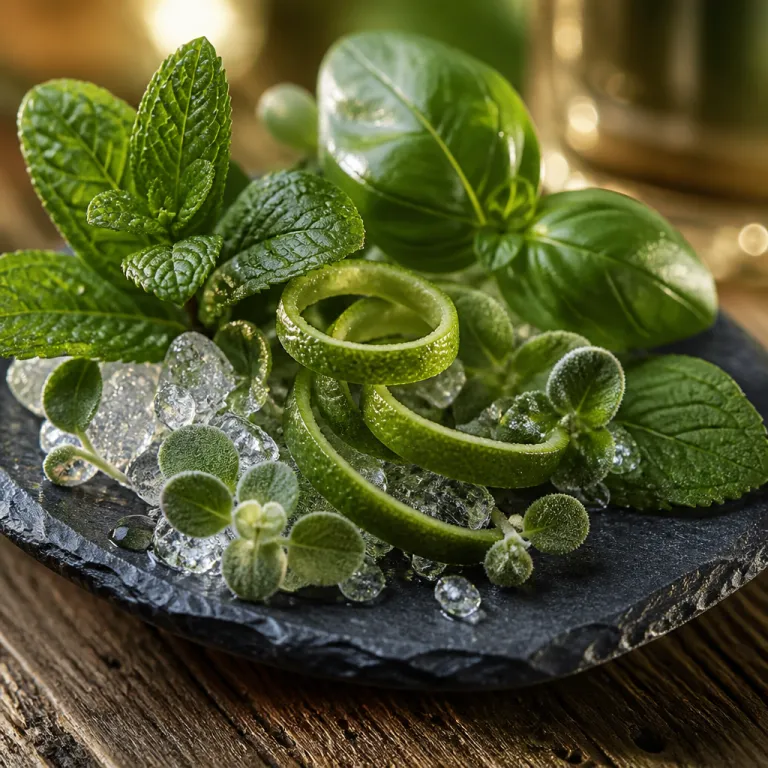
The rise of non-alcoholic luxury hotel dining as a programme
Non-alcoholic luxury hotel dining has shifted from a side note to a fully fledged programme that shapes how you book a stay. In many luxury hotels, the zero proof philosophy now informs the wine pairings, the tasting menus, and even the way the bar is positioned within the property, so the dining experience feels coherent whether you drink alcohol or not. For travelers scanning a wine list before they confirm a reservation, the presence of structured alcohol free options can be as decisive as a Michelin starred chef.
Look closely at the modern alcoholic menu in a serious hotel restaurant and you will often find a parallel spirit free track. The same sommelier who once focused only on alcoholic drinks and classic wine pairings now curates proof drinks, ferments, and infusions that sit beside the cellar, giving soft drinks and proof cocktails equal narrative weight. This dual approach allows a guest to move between alcoholic cocktails and alcohol free cocktails during one meal without feeling they have stepped down in luxury or complexity.
For gastronomy focused hotels, the economic proof is clear enough to justify investment in a dedicated alcoholic and non-alcoholic programme. When a tasting menu is priced at the top of the market, guests expect the option of alcohol free pairings that match the ambition of the kitchen, not just club soda with lime. The most forward thinking properties now highlight their zero proof drinks programme in pre-arrival emails, knowing that a strong non-alcoholic luxury hotel dining offer can tip a hesitant traveler from browsing to book.
From token mocktail to structured zero proof pairings
The era of the single sweet mocktail at the cocktail bar is over in serious gastronomy hotels. Instead, you will find tasting menus with parallel proof cocktails, tea based wine pairings, and carefully layered soft drinks that mirror the structure of an alcoholic beverage without copying its flavour. This shift matters for solo travelers who want to sit at the bar, order from the full menu, and feel part of the room without defaulting to sugary alcoholic cocktails or a basic glass of juice.
In several Michelin starred hotel restaurants, the sommelier now presents a printed list of non-alcoholic pairings alongside the traditional wine list. The language is the same ; you will read about tannin like grip from oolong tea, saline notes from kombu infusions, and bright lime acidity from house shrubs, all designed to track each course of the tasting menu. When you book a table, you can preselect either the classic alcoholic pairings, the alcohol free pairings, or a mixed route that alternates proof drinks and low proof options across the meal.
This programme level thinking also changes how properties design their spaces and narratives. A hotel might position a spirit free counter at one end of the cocktail bar, where the équipe works with kombucha, verjus, and club soda while the main bar handles the alcoholic drinks, yet the glassware and garnishes remain identical. For a deeper look at how architecture and narrative shape restaurant identity inside hotels, see this analysis of hotel restaurants where the building’s past sets the table, which shows how context can frame both alcoholic and non-alcoholic luxury hotel dining.
The new role of the sommelier and the bar équipe
As non-alcoholic luxury hotel dining matures, the sommelier’s job description quietly expands. Many luxury hotels now expect the wine team to handle both wine pairings and alcohol free pairings, while others appoint a specialist for proof cocktails and spirit free ferments who works alongside the head sommelier. For the guest, the key question is simple ; does the property treat the zero proof list with the same seriousness as the cellar, or as an afterthought.
Training the bar équipe for this shift is not trivial, because the category of alcohol free drinks barely existed in hotel fine dining a few years ago. Bartenders who once focused on alcoholic cocktails must now master techniques from tea service, coffee roasting, and even perfumery to build layered proof drinks that can stand beside an aged alcoholic beverage. The best programmes send their team to taste through specialist spirit free producers, experiment with east side style herbal blends, and refine how lime, acidity, and texture behave without ethanol.
Some properties go further and create a dedicated alcoholic and non-alcoholic development role, often in collaboration with a culinary concept designer. That consultant might work with the chef to align the tasting menu, the cocktail bar offer, and the in room dining experience so that every outlet reflects the same philosophy of non-alcoholic luxury hotel dining. For a deeper dive into how hotels now structure these roles, the piece on the culinary concept designer in hotels explains why beverage strategy, both alcoholic and alcohol free, increasingly sits at the same table as menu creation.
Ingredients, techniques, and pricing in zero proof programmes
Behind every serious non-alcoholic luxury hotel dining programme sits a pantry that looks more like a laboratory than a classic bar. You will see rows of ferments, from kombucha to kefir, next to cold brew teas, house shrubs, and clarified juices that give proof cocktails the clarity and length usually associated with a structured alcoholic beverage. Bartenders lean on ingredients such as verjus, smoked salt, and lime leaf to create the tension that wine pairings normally provide in fine dining.
These techniques are not cheap, which raises the question of pricing for alcohol free pairings. Some hotels charge almost as much for their spirit free pairings as for the alcoholic pairings, arguing that the labour, produce, and research time for proof drinks equal the effort behind the cellar, even if there is no duty on alcohol. Others position the non-alcoholic menu at a lower price point, framing it as a wellness oriented alternative that still respects the integrity of the tasting menus and the overall dining experience.
For guests, the value calculation depends on how integrated the programme feels across the property. If the cocktail bar offers the same level of creativity in its alcohol free drinks as in its alcoholic cocktails, and if the restaurant’s tasting menu reads as carefully for zero proof as for full proof, then the price often feels justified. Hotels that treat non-alcoholic luxury hotel dining as a core part of their identity tend to communicate this clearly on their websites, where you can review the list of pairings before you book and avoid surprises at the table.
Restorative luxury, wellness narratives, and how to book smart
The sober curious movement aligns naturally with the broader shift toward restorative luxury in hotels. Guests who come for spa programmes, sleep coaching, or nutrition focused retreats increasingly expect the bar and restaurant to offer alcohol free options that support their health narrative without sacrificing pleasure. In this context, non-alcoholic luxury hotel dining becomes part of a holistic itinerary rather than a restriction imposed on the menu.
Wellness oriented properties now weave their proof drinks into the entire guest journey, from a spirit free welcome drink at check in to a club soda and lime nightcap infused with adaptogens. The same équipe that designs the tasting menu might collaborate with nutritionists to ensure that both the alcoholic menu and the non-alcoholic menu respect circadian rhythms, caffeine sensitivity, and sugar levels, while still delivering a fine dining level of craft. When you book, it is worth asking whether the hotel offers separate tasting menus for wellness guests, and whether the wine pairings can be mirrored with alcohol free pairings that match the same courses.
For travelers who care about both gastronomy and clarity the next morning, programme design matters as much as star ratings. A Michelin starred restaurant inside a luxury hotel may impress on paper, but if the property offers only a token alcohol free option, the overall dining experience can feel dated. To understand how some hotels now stage their kitchens and bars as theatre, including both alcoholic and non-alcoholic service, the feature on open kitchen performance in gastronomy hotels shows how the pass, the bar, and the salle work together to tell a coherent story.
How to read a hotel’s zero proof offer before you reserve
When you compare gastronomy hotels, the proof of their commitment to non-alcoholic luxury hotel dining often appears in the small print. Study the online menus ; a serious property will publish both the alcoholic menu and the non-alcoholic menu, with clear descriptions of alcohol free pairings, proof cocktails, and spirit free aperitifs. If the website only lists wine and alcoholic drinks, with no mention of soft drinks beyond soda, you can safely assume the programme is underdeveloped.
Look for specific signals in the way the hotel presents its bar and restaurant. Does the cocktail bar highlight a separate section for proof drinks, with the same attention to glassware, ice, and garnish as the alcoholic cocktails, or is the only option a generic club soda with lime. Are there tasting menus that explicitly offer both wine pairings and alcohol free pairings, or does the sommelier simply remove the alcoholic beverage and leave the course unaccompanied.
Finally, do not hesitate to email the reservations équipe before you book and ask direct questions about non-alcoholic luxury hotel dining. A property that has invested in this space will respond with a detailed list of options, from spirit free aperitifs to zero proof digestifs, and may even tailor a tasting menu around your preferences. For travelers who plan their trips around the plate and the glass, this level of transparency is the most reliable proof that a hotel’s zero proof programme truly earns its place on the menu.
FAQ
How can I tell if a hotel takes non-alcoholic pairings seriously ?
Check whether the restaurant publishes a dedicated non-alcoholic menu with structured alcohol free pairings, not just a short list of soft drinks. Serious programmes describe proof cocktails and spirit free pairings course by course, often mirroring the wine pairings offered with the tasting menu. If in doubt, email the property and ask for sample menus before you book.
Should zero proof pairings cost as much as wine pairings ?
Pricing varies by hotel, but many luxury properties now price alcohol free pairings close to traditional wine pairings because the labour and ingredients are comparable. Ferments, rare teas, and complex proof drinks require as much development time as a curated cellar, even if there is no alcohol duty. When evaluating value, focus on the creativity, number of courses, and integration with the overall dining experience.
Will I feel out of place ordering only non-alcoholic drinks at the bar ?
In hotels with mature zero proof programmes, the cocktail bar is designed so that alcohol free guests feel fully included. The équipe uses the same glassware, garnishes, and storytelling for proof cocktails as for alcoholic cocktails, so your drink looks and feels part of the room. If the menu clearly highlights spirit free sections, you can confidently order without drawing special attention.
Can Michelin starred hotel restaurants accommodate fully alcohol free tasting menus ?
Many Michelin starred hotel restaurants now offer complete alcohol free tasting menus with dedicated pairings. These menus often use teas, ferments, and botanical infusions to provide the structure that wine pairings usually bring to fine dining. When reserving, specify that you want a fully non-alcoholic luxury hotel dining experience so the team can prepare appropriate pairings.
What should I ask before booking a gastronomy hotel as a sober curious traveler ?
Ask whether the property offers a full non-alcoholic menu, including proof drinks at the bar and structured alcohol free pairings in the restaurant. Request sample tasting menus and wine pairings lists to see if there are parallel zero proof options for each course. Clarify whether the team can adapt room service and breakfast to align with your alcohol free preferences throughout the stay.