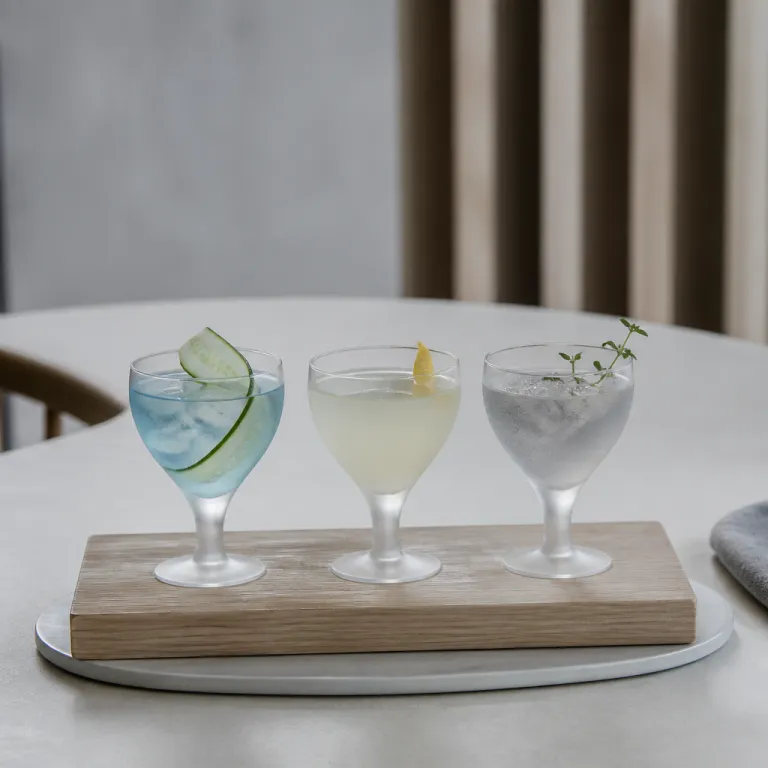
Why zero-proof tasting menus now define serious hotel dining
Walk into a serious gastronomy hotel today and the non-alcoholic menu is no longer an apologetic afterthought. A true zero-proof tasting menu luxury hotel now treats spirit free pairings with the same care as its grand based wine list, letting guests move between alcoholic drinks and alcohol free drinks without losing the thread of the meal. That shift has turned the once humble bar into a creative lab where proof cocktails, proof drinks and sans alcohol infusions are built course by course to match the food menu.
The data explains why this happened so quickly ; Americans trying to drink less alcohol now represent 52 %, and travelers choosing non-alcoholic beverages over alcohol reach 50 %, which means every hotel that ignores alcohol free guests is leaving both revenue and loyalty on the table. Global no-alcohol segments are growing at high double digit rates, and premium proof cocktails built with Seedlip, Ritual Zero Proof or tea based wine alternatives now command the same price as many alcoholic cocktails. For a gastronomy focused hotel, that means the tasting menu and the drinks list must be designed together, with proof pairings and wine pairings treated as parallel, equally prestigious options well suited to different guests.
Luxury groups have responded with intent rather than tokenism ; Hyatt’s Zero Proof, Zero Judgment programme, Loews Hotels’ Free Spirited initiative and Four Seasons’ dedicated non-alcoholic pairings show how quickly the standard has moved. At lebua at State Tower in Bangkok, the Michelin starred dining room now offers zero-proof pairings that track each course with layered, spirit free cocktails instead of defaulting to sparkling water. When you book a room in a serious gastronomy hotel today, the question is no longer whether there is a non-alcoholic cocktail on the bar menu, but whether the zero-proof tasting menus feel as choreographed and indulgent as the wine pairings.
How non-alcoholic pairings change the rhythm of a tasting menu
Remove alcohol from a long tasting menu and the entire rhythm of dining shifts. Without the slow blur of multiple alcoholic cocktails and wine refills, flavours register more sharply, and the kitchen’s work with acidity, texture and temperature becomes the real guide through the evening. In a well run zero-proof tasting menu luxury hotel, the bar team and the chef write the food menu and the proof drinks list together, so that each spirit free cocktail lands with the precision of a plated course.
Consider a coastal hotel restaurant where the first course is raw scallop with citrus and fennel ; a classic pairing might be a bright based wine from a cool region, but a zero-proof alternative could be a chilled infusion of yuzu, toasted barley and seaweed, served in a wine glass to mirror the ritual of alcoholic drinks. Later in the tasting menus, when richer food arrives, bartenders can layer roasted oolong, verjus and smoked apple to echo the depth of red wine without any alcohol at all. Guests who usually pace themselves for Dry January often report feeling lighter and more alert at the end of a long evening, yet still indulged by the complexity of the drinks.
There is also a practical dimension for travelers who have flown in from wine country or from a long haul flight into the Bay Area and do not want heavy alcohol on the first night. When you book a stay at a property that understands this, the reservation team will ask whether you prefer alcoholic cocktails, proof cocktails or a mixed approach, then note it with courtesy so the bar can prepare. Our detailed guide to how a gastronomy hotel actually prices the room and restaurant, available in the article on what a gastronomy hotel actually costs in peak season, shows how these pairings now sit alongside wine on the balance sheet.
Where hotel restaurants are leading the zero-proof movement
Some luxury hotel restaurants now treat the non-alcoholic menu as a signature, not a side note. At Four Seasons properties in Asia, for example, the dining room team presents parallel pairings where each course can be matched either with wine or with a carefully built spirit free cocktail, and guests can alternate between the two. Loews Hotels has rolled out a Free Spirited programme across several bars, training bartenders to handle proof cocktails and sans alcohol ferments with the same seriousness as alcoholic cocktails.
Hyatt’s Zero Proof, Zero Judgment initiative goes further by embedding alcohol free options into every part of the guest journey, from the lobby bar to the poolside drinks list. Lebua at State Tower in Bangkok has become a reference point for the Michelin starred crowd, with a tasting menu that offers both classic wine pairings and a zero-proof sequence built from tea, botanicals and clarified juices. These programmes show that a zero-proof tasting menu luxury hotel can still be a destination for wine lovers, because the cellar and the bar now collaborate rather than compete.
For the solo explorer planning travel through wine country or a long weekend in New York City, this matters when choosing where to book. Our analysis of why many luxury travelers now choose the property by the kitchen, detailed in the feature on why so many luxury travelers now book the hotel by the kitchen, highlights how non-alcoholic pairings have become a deciding factor. When a hotel can show a bird eye view of its beverage philosophy, listing both the best bars for classic cocktails and the most inventive proof drinks, sober curious guests feel seen rather than sidelined.
The business case: revenue, wine cellars and mixed tables
For hotel F&B directors, the zero-proof shift is not just a wellness story ; it is a margin story. Premium non-alcoholic cocktails often cost less to produce than alcoholic drinks, yet they can be priced at a similar level, creating attractive profit on every glass. When a zero-proof tasting menu luxury hotel builds a full pairing, the incremental revenue per guest can rival that of a traditional wine flight, especially when guests choose options well beyond simple juices.
This does not mean the cellar loses relevance, particularly in wine country regions such as Sonoma County or the hills above the Bay Area. Instead, the best properties position wine and proof drinks as complementary tools, letting one table order a classic based wine pairing while another explores a spirit free sequence, and a third practices “zebra striping” by alternating alcoholic cocktails with alcohol free drinks. Mixed tables are now common ; one guest might start with a cocktail at the bar, switch to proof cocktails during the tasting menu, then finish with a small pour of dessert wine.
Handled with courtesy and clear communication, this flexibility can actually increase total spend, because guests feel empowered to order more drinks across a longer evening. It also protects the reputation of the dining room, since fewer over served guests mean a calmer atmosphere and better service flow. For a deeper look at when a restaurant genuinely justifies the room supplement, and when it does not, see our analysis of when a hotel restaurant is not actually worth the stay, which argues that a serious non-alcoholic menu is now part of the baseline for any property claiming gastronomic ambition.
How to book the right zero-proof focused gastronomy stay
Choosing the right hotel when you care about non-alcoholic pairings starts long before you sit down in the dining room. When you book, ask specific questions about the tasting menu, the food menu and the drinks list, and request a copy of the current proof drinks pairings if possible. A serious zero-proof tasting menu luxury hotel will respond with a detailed list of cocktails, ingredients and pairings rather than a vague promise of “mocktails”.
Look for signs that the bar and the kitchen operate as one team ; menus that reference the same seasonal produce, or a bird eye sketch of the kitchen garden and tea plots, suggest that the spirit free cocktails are built from the same pantry as the food. Properties in wine country or near major hubs such as New York City and the Bay Area should be able to explain how their non-alcoholic menu sits alongside the cellar, not beneath it, and how they handle Dry January demand without diluting the experience for guests who still enjoy alcoholic drinks. When a hotel lists its best bars on property, check whether at least one specialises in alcohol free cocktails and sans alcohol ferments, not just in classic alcoholic cocktails.
Finally, pay attention to tone ; a team that talks about non-alcoholic options with courtesy and enthusiasm is more likely to deliver a thoughtful experience. Inquire whether the tasting menus can be adapted mid service if you decide to switch from wine to proof cocktails, or from alcohol free pairings back to a single glass of based wine. “Which luxury hotels offer non-alcoholic beverage pairings? Loews Hotels, Four Seasons, lebua, and Hyatt offer such pairings.”
FAQ
What exactly is a zero-proof tasting menu in a hotel restaurant ?
A zero-proof tasting menu in a hotel restaurant is a multi course dining experience where every dish is paired with non-alcoholic drinks designed with the same care as wine. Instead of defaulting to water or soda, the bar team creates spirit free cocktails, tea infusions and ferments that mirror the structure of alcoholic drinks. Guests can still order wine or a cocktail separately, but the core pairing is entirely alcohol free.
How do non-alcoholic pairings compare to traditional wine pairings ?
Non-alcoholic pairings tend to highlight texture, acidity and aromatics more than alcohol weight, which can make flavours feel brighter and more precise. Traditional wine pairings bring the complexity of fermentation and tannin, but they also add alcohol load over a long tasting menu. Many guests now alternate between the two, using zero-proof pairings for most courses and choosing a single glass of wine where it matters most.
Do zero-proof menus work in wine focused regions like Sonoma County ?
Yes, many hotels in wine focused regions such as Sonoma County now treat zero-proof menus as a way to broaden their appeal rather than dilute their identity. The cellar remains central, but the bar develops proof drinks that echo local grapes through verjus, juices and tea blends. This lets groups include both wine enthusiasts and alcohol free guests at the same table without compromise.
How can I check a hotel’s non-alcoholic offer before I book ?
Before you book, email or call the hotel and ask for the current food menu, tasting menu and non-alcoholic pairings in writing. A serious property will share a clear list of cocktails, ingredients and suggested pairings, sometimes with a short guide to how they are served. If the answer is simply “we can make something alcohol free at the bar”, you can safely assume the programme is not yet at luxury level.
Are non-alcoholic spirits really alcohol free and what do they cost ?
Non-alcoholic spirits used in hotels, such as Seedlip or Ritual Zero Proof, are distilled for flavour but bottled without alcohol, so they are suitable for guests avoiding alcoholic drinks. In luxury properties, cocktails built on these bases often cost a similar amount to classic alcoholic cocktails, typically in the mid to high teens per glass. The value comes from complexity, presentation and the way they integrate into the overall dining experience.