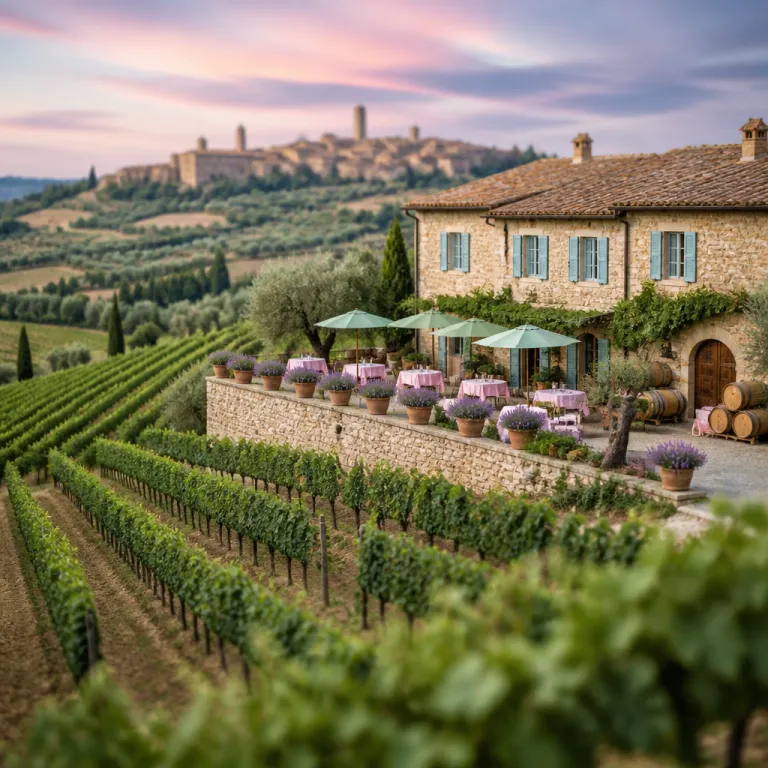
Why a Montepulciano wine tour belongs on every gourmet itinerary
A carefully curated Montepulciano wine tour turns a simple day in Tuscany into a layered gastronomic journey. When you plan your trip as a discerning guest, you connect the elegance of montepulciano wine with the comfort of a luxury gastronomy hotel in a way that feels seamless. This is where a well designed wine tour, paired with refined accommodation, transforms a short day trip into a full day of sensory pleasure.
Montepulciano sits on a ridge above the Val d’Orcia, surrounded by vineyards that produce some of the most respected wines in Italy. A thoughtful wine tour here will usually include at least one historic winery, a guided wine tasting focused on Vino Nobile and Nobile Montepulciano labels, and time to visit Montepulciano’s stone lanes and the church of San Biagio. When you read hotel descriptions on a premium booking website, look for packages that integrate these wine tours with private transfers and curated lunch reservations.
For gastronomy focused travelers, the key is to align your wine tours with the rhythm of your stay rather than treating them as stand alone activities. Many luxury properties in Tuscany now collaborate with local wineries such as Avignonesi, Boscarelli, or Poliziano to offer a private tour where a dedicated guide will escort you from cellar to cellar, explaining how each wine reflects its parcel of land. As one recent guest described it, “We stepped from the cool tufa cellar into the late afternoon sun with glasses of Vino Nobile in hand, and suddenly the landscape tasted exactly like what was in the glass.” This kind of hosted experience allows you to appreciate great wine without worrying about logistics, timing, or transport back to your room after a generous tasting.
Choosing the right gastronomy hotel for a Montepulciano wine tour
Selecting the right gastronomy hotel near Montepulciano or in nearby Val d’Orcia shapes the entire mood of your wine tour. You want a property where the restaurant respects local wines, where the chef understands Vino Nobile, Brunello wine from Montalcino, and other Tuscan wines as part of a coherent menu. When a hotel’s sommelier can suggest montepulciano wine pairings for each course, your day in the vineyards continues elegantly at dinner.
On a luxury and premium booking website, filter for gastronomy focused hotels that highlight wine tasting experiences, curated wine tours, and relationships with specific wineries. Some properties offer rooms with fireplaces and in room dining, which can be ideal after a full day of visiting wineries and walking the steep streets of Montepulciano; for this kind of stay, look for inspiration in dedicated guides to fireplace hotel rooms for a warm and luxurious gastronomic escape. A refined hotel will often arrange a private tour to a family run winery where you can taste both montepulciano wine and extra virgin olive oil pressed from the same estate’s groves.
Pay attention to room categories and layouts, especially if you plan several wine tours during your trip. Suites with generous living areas allow you to read tasting notes, store bottles from different wineries, and relax between a late lunch and an evening visit to town. Properties that emphasize calm, small scale luxury and attentive service will usually be better equipped to coordinate a guide who will adapt the pace of your wine tour to your preferences, whether you want a compact half day or a leisurely full day itinerary.
Designing your perfect day trip through Montepulciano’s wineries
A well structured day trip in Montepulciano balances cellar visits, vineyard walks, and time for a slow lunch. Many organized wine tours start around mid morning, which allows you to enjoy breakfast at your hotel before meeting your guide for the first winery visit. For travelers booking through a premium platform, it is worth choosing a wine tour that limits group size so that each tasting feels intimate and tailored.
Most Montepulciano wine tour operators collaborate with local wineries that open their historic cellars, some carved directly into the tufa beneath the town. A typical full day program might include two or three wineries, with a focus on Vino Nobile, Rosso di Montepulciano, and sometimes Brunello wine from nearby Montalcino to illustrate regional contrasts. When you compare options on a booking website, check whether the tour includes a seated lunch with paired wines, or whether you will have free time to explore and arrange your own meal in a recommended Tuscan trattoria.
To make planning easier, consider two sample itineraries. A half day Montepulciano wine tour might run from 10:00 to 13:30, with visits to two wineries and a light tasting plate; depending on inclusions, indicative prices can range from about 35–60 EUR per person. A full day experience often stretches from 9:30 to 17:30, combining three estates, a relaxed lunch, and time in the historic center, with many mid range options falling roughly between 90 and 180 EUR per guest. Cost transparency matters, especially in the luxury segment where a trip to Italy often combines several regions and multiple wine tours, so always read the inclusions carefully and compare them with independent analyses of what a gastronomy hotel actually costs in peak season; resources such as this breakdown of gastronomy hotel costs between room and restaurant help you understand how much budget to reserve for a private tour or premium tasting.
From cellar to table: integrating wine, olive oil, and Tuscan cuisine
The most rewarding Montepulciano wine experiences extend beyond the cellar door and into the kitchen. Many wineries now offer tastings that pair Vino Nobile and Nobile Montepulciano labels with local pecorino cheeses, cured meats, and bread dipped in estate produced extra virgin olive oil. When your guide will introduce both the wine and the olive oil, you gain a deeper understanding of how these products shape everyday life in Tuscany.
During a full day wine tour, expect at least one structured wine tasting that moves from younger wines to more complex montepulciano wine, often ending with a reserve Vino Nobile. Some wineries also pour a Brunello wine from Montalcino to highlight how altitude, soil, and microclimate influence Sangiovese based wines across Tuscany. If your tour includes lunch at a winery restaurant, you may enjoy dishes such as pici pasta with ragù, grilled meats, and seasonal vegetables, all prepared with local virgin olive oil and paired with great wine from the surrounding hills.
Back at your gastronomy focused hotel, the culinary journey continues with menus that echo what you tasted during the day. A thoughtful chef will design courses that showcase Tuscan ingredients, from Chianina beef to garden vegetables, alongside a wine list rich in Montepulciano labels and other wines from Val d’Orcia and beyond. When you read room and restaurant descriptions on a luxury booking platform, look for explicit references to wine pairing menus, regional olive oil selections, and collaborations with specific wineries, as these details signal a serious commitment to enogastronomic excellence.
Private tours, small groups, and logistics for a seamless stay
For many luxury travelers, the choice between a private tour and a small group experience defines the tone of their Montepulciano wine tour. A private tour offers maximum flexibility, allowing you to linger longer at a favorite winery, adjust the timing of lunch, or add a spontaneous visit to San Biagio or another viewpoint. Small group wine tours, on the other hand, can be a sociable way to meet other guests while still enjoying curated tastings and comfortable transport.
When booking through a premium gastronomy focused platform, check whether private tours include hotel pickup, how many wineries you will visit, and whether tastings are standard or upgraded. Some operators in Tuscany now offer eco friendly options such as electric bike routes between vineyards, which can turn a simple day trip into an active exploration of Val d’Orcia landscapes. Always confirm how many wines are included at each tasting, whether extra virgin olive oil is part of the experience, and if there is time scheduled to visit Montepulciano’s historic center between cellar appointments.
Thoughtful logistics also extend to your hotel choice, especially if your trip to Italy includes several regions and multiple wine tours. Properties with experienced concierges can coordinate transfers between Montepulciano, Montalcino, and other Tuscan towns, ensuring that each day flows smoothly from breakfast to the final glass of great wine in the evening. For travelers planning longer itineraries, it can be helpful to base yourself in a spacious suite, similar in spirit to the layouts described in guides to spacious comfort in two bedroom hotel suites for refined stays, so that you have room to store bottles, tasting notes, and local delicacies collected along the way.
How to evaluate and book Montepulciano wine experiences online
Evaluating a Montepulciano wine tour on a luxury booking website requires more than scanning star ratings. Start by reading the detailed itinerary to see how many wineries you will visit, how long you spend at each stop, and whether lunch is included or left flexible. Look for clear descriptions of the wines featured, especially Vino Nobile, Nobile Montepulciano, and any Brunello wine or other Tuscan wines that appear in the tasting lineup.
Trustworthy operators usually specify whether tastings take place in historic cellars, modern tasting rooms, or directly in the vineyards overlooking Val d’Orcia. They also clarify if extra virgin olive oil and other local products are part of the experience, which can be important for travelers who want a broader sense of Tuscan gastronomy. Pay attention to group size limits, as small groups or private tours tend to offer more personalized attention from your guide, who will explain each wine in context and adapt the pace of the day to your interests.
From a practical perspective, confirm the meeting point, transportation arrangements, and cancellation policies before you finalize your trip to Italy. Some Montepulciano wine tours operate year round with morning and afternoon departures, while others run only on specific days, so aligning your hotel dates with your preferred tour is essential. As one local information source puts it, “Guided visits to Montepulciano wineries.”, which captures the essence of these experiences; your task is to choose the version of that promise that best matches your expectations for comfort, depth, and culinary focus.
Key figures and practical statistics for Montepulciano wine tours
- The average price for a standard Montepulciano wine tour is often quoted at around 38 EUR per person in regional tourism materials; treat this as an indicative benchmark rather than a fixed rate, as actual prices vary by season, group size, and inclusions.
- Montepulciano counts on the order of 70–75 active wineries in and around the town, offering a wide range of options from small family estates to larger producers with extensive cellars and visitor facilities; figures fluctuate slightly as new projects open or consolidate.
- Typical full day wine tours in Montepulciano last about 8 hours, usually starting around 9:30 in the morning and finishing in the late afternoon, which allows time for multiple tastings and a relaxed lunch without feeling rushed.
- Many operators run wine tours year round, but schedules and available wineries can vary by season, so travelers should always check specific dates and confirm openings before finalizing hotel bookings, especially around harvest and winter holidays.
- Eco friendly formats such as walking routes and electric bike itineraries are increasingly common, reflecting a broader shift toward sustainable tourism in Tuscany’s wine regions and giving guests the chance to experience the landscape at a slower pace.
FAQ about Montepulciano wine tours and gastronomy stays
What is Vino Nobile di Montepulciano and why is it important?
Vino Nobile di Montepulciano is a prestigious red wine produced around the town of Montepulciano in Tuscany, based primarily on the Sangiovese grape. It is known for its structure, aging potential, and ability to pair beautifully with Tuscan cuisine, making it a central focus of most Montepulciano wine tours. For gastronomy travelers, tasting several vintages of Vino Nobile during a guided visit offers a clear sense of the region’s identity.
Are Montepulciano wine tours available throughout the year?
Wine tours in Montepulciano generally operate year round, with more frequent departures during the main travel seasons. Some wineries adjust opening hours or close briefly for maintenance and harvest related work, so availability can vary by tour and by month. Travelers should always confirm specific dates and times when coordinating hotel stays and transportation.
Do Montepulciano wine tours usually include transportation from my hotel?
Some Montepulciano wine tours include transportation from selected hotels or central meeting points, while others require guests to arrange their own transfers. Luxury gastronomy hotels often work with trusted drivers or tour partners and can organize private transfers for both small groups and private tours. It is important to check inclusions carefully so that you understand whether transport, tastings, and lunch are all covered in the quoted price.
How should I prepare for a full day Montepulciano wine tour?
For a full day of visiting wineries, wear comfortable shoes for walking on uneven surfaces and bring layers for changing temperatures in vineyards and cellars. Booking in advance is strongly recommended, especially for private tours or small group experiences that focus on Vino Nobile and other premium wines. Many travelers also carry a notebook or use a phone app to record tasting impressions, which can be helpful when choosing bottles to ship home.
Can I combine Montepulciano with other Tuscan wine regions in one trip?
Many travelers combine Montepulciano with nearby Montalcino, home of Brunello wine, and with other areas of Val d’Orcia in a single trip to Italy. With careful planning and the support of a well connected gastronomy hotel, you can arrange separate wine tours in each region while keeping a single luxurious base. This approach allows you to compare different Tuscan wines side by side while enjoying consistent service and comfort throughout your stay.