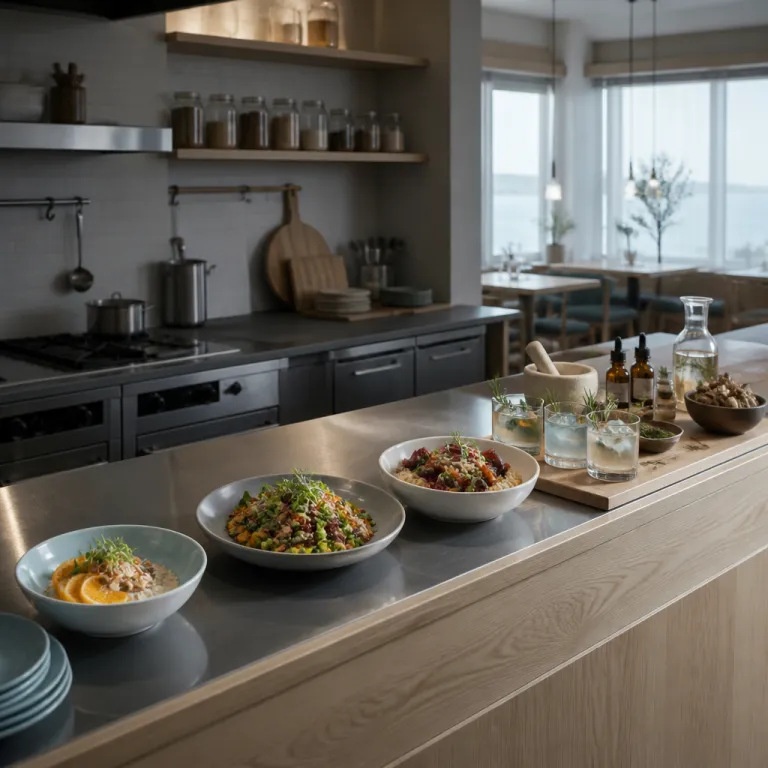
Why wellness menus now define luxury hotel dining
Wellness has moved from the spa corridor into the main restaurant, reshaping how families think about luxury hotel dining. The most forward-looking properties now treat the wellness menu as a central part of the stay, aligning food and dining with how guests actually want to feel. For parents choosing a hotel or resort, the promise is simple yet powerful: you can eat well, sleep deeply and still feel you have enjoyed genuinely good food.
Proper Hotels in the United States illustrate how this shift becomes a concrete guest experience rather than a marketing line. In 2023 the group announced a commitment to seed-oil-free kitchens across its properties, working with nutritionists so that every menu reflects health and wellness principles without sacrificing pleasure or a grand sense of occasion. As the brand explains in its culinary guidelines, the goal is to “cook with high-quality fats and whole ingredients that support long-term well-being” while keeping the restaurant experience recognisably indulgent. In this context, a wellness-focused restaurant in a luxury setting is not a side column of sad salads but a thoughtfully curated sequence of dishes that respects seasons, circadian rhythms and the realities of traveling with children.
For families, this means the hotel restaurant can finally support jet lag, early wake-ups and late arrivals instead of fighting them. Circadian menus structure food and drink by function — energy, focus, recovery, calm — so guests can choose what to eat based on how they want to feel at breakfast, lunch or dinner. At Proper Hotels, for example, a “Restore” section might feature a miso-glazed salmon bowl with brown rice and seasonal greens, while a “Calm” column highlights chamomile-infused desserts and low-sugar options. When a property takes wellness, food and beverage and the wider hospitality concept seriously, the dining experience becomes a quiet form of travel insurance for your body.
How circadian menus work from breakfast to late night
Circadian menus start with a simple idea: meals should match the body clock, not just the restaurant’s seating plan. In practice, that means the kitchen designs a changing menu across the day, with lighter plant-based dishes and low-sugar options in the evening, and more energising food and drink combinations earlier when families are heading out to explore. Hotels that take this seriously often collaborate with nutritionists so that every dish on the menu earns its place for both flavour and function.
At Proper Hotels, the culinary teams use local, seasonal ingredients to build food and beverage programmes that support energy in the morning and calm at night. Breakfast might feature oat-based dishes built around whole grains, fresh fruit and American cuisine classics reworked with a health-conscious lens — think avocado toast on sprouted-grain bread or a vegetable-packed egg white frittata — while dinner leans into slow-cooked vegetables, clean proteins and food-and-wine pairings that do not overwhelm the palate before sleep. In Santa Monica, for instance, a typical evening menu might include wood-roasted cauliflower with tahini and pomegranate, grilled branzino with citrus and herbs, and a citrus olive-oil cake sweetened with maple syrup instead of refined sugar. This is wellness-led luxury hotel dining as a form of gentle coaching, nudging guests toward choices that help them eat well without feeling lectured.
Families will notice that these restaurants and bars often label sections by outcome rather than by course, with headings such as “Restore”, “Focus” or “Unwind”. That structure makes it easier for parents to steer children toward good food that still feels like a treat, from gluten-free pancakes at breakfast to plant-based burgers at the pool bar in the afternoon. A nutrition consultant who has worked with several US luxury hotels describes the approach as “designing menus that answer the question ‘How do you want to feel after this meal?’ rather than ‘How much can you eat?’”. For a deeper look at why many travellers now choose properties primarily for the kitchen, see our analysis on booking a luxury hotel by the restaurant programme.
Adaptogenic cocktails, functional drinks and alcohol optional pairings
The liquid side of wellness-centred luxury hotel dining has evolved just as dramatically as the plates. Non-alcoholic options in high-end restaurants were once limited to soda or juice, but the new wave of pool bar menus and lobby lounges now reads like a modern apothecary. Adaptogenic cocktails use herbs and mushrooms traditionally associated with stress management, and hotels are pairing them with food in ways that feel as considered as classic wine flights.
Within the Proper Hotels group, the bar teams work alongside chefs so that food-and-drink combinations support the same circadian logic as the kitchen. A pre-dinner adaptogen cooler might sit beside a glass of low-intervention wine, while late-night menus highlight calming infusions that pair with lighter plant-based dishes rather than heavy American cuisine standards. A typical list might include a reishi and cacao nightcap, a tulsi and citrus spritz or a zero-proof “golden latte” built around turmeric, ginger and oat milk. For guests who still enjoy traditional food-and-wine rituals, the sommelier can suggest alcohol-optional pairings that keep the dining experience festive without compromising health and wellness goals.
Families benefit from this shift because children see that restaurants and bars can be about flavour, not just alcohol. Teens might order a thoughtfully curated zero-proof drink built around citrus and herbs, while parents share an award-winning bottle with a grand view of the city or ocean from the main restaurant terrace. Many properties now price zero-proof cocktails only slightly below their alcoholic counterparts, signalling that these drinks are crafted experiences rather than afterthoughts; a hotel bar might charge US$14–18 for a complex non-alcoholic cocktail compared with US$18–22 for a classic martini. When planning a stay, it is worth reading how a property prices its room against its culinary ambitions; our guide to what a gastronomy hotel really costs in peak season explains how to balance the budget between the bed and the table.
Family focused wellness dining: from kids’ menus to kitchen culture
Parents used to scan kids’ menus and find only fries, nuggets and plain pasta, even in otherwise refined restaurants. Wellness-driven luxury hotel dining has started to change that pattern, with children’s options that mirror the main menu’s focus on seasons, plant-based choices and nutrient-dense dishes. The best examples treat young guests as full participants in the guest experience, not as an afterthought to be placated with sugar.
In several Proper Hotels properties, for instance, the kitchen offers mini versions of signature dishes alongside familiar comfort food, so children can eat well without feeling pushed into adult territory. A gluten-free grain bowl might sit next to a classic burger, while plant-based tacos share space with grilled fish, all presented in a way that feels playful rather than worthy. A typical children’s main course in a US luxury hotel now ranges from around US$14 to US$22, reflecting both ingredient quality and the extra work involved in tailoring dishes to younger diners. This approach reflects a broader hospitality philosophy: when the youngest guests feel included at the table, the overall dining experience for the family becomes calmer and more enjoyable.
Behind the scenes, chefs and nutrition consultants work together to ensure that every restaurant and resort outlet can handle common allergies and preferences with confidence. Parents can ask detailed questions about ingredients, from seed-oil-free frying to dairy alternatives, making sure that health-conscious choices do not mean sacrificing flavour or the pleasure of eating together. Proper Hotels, for example, train staff to explain which dishes are naturally gluten-free and which can be adapted, and to flag potential cross-contamination risks. Over time, this kind of family-friendly, wellness-driven food programme becomes a reason to return to the same hotel, just as much as a grand lobby or an impressive pool bar.
Outcome based stays and choosing the right gastronomy hotel
Luxury hotels are gradually shifting from selling rooms to selling outcomes, and wellness-oriented restaurant programmes sit at the centre of that change. A stay is now framed around how you want to feel when you leave — restored, energised, rebalanced — with the restaurant, bar and in-room dining all working in concert. For families, that might mean a long weekend where parents sleep better, children eat more vegetables and everyone returns home with steadier energy.
Proper Hotels position their seed-oil-free kitchens and circadian menus as part of a broader promise that links spa, movement and culinary programming. The group’s initiative to collaborate with nutritionists, use local seasonal produce and remove industrial oils from every kitchen is designed to improve both guest satisfaction and long-term well-being. Internal guest feedback shared by the brand suggests that diners who choose circadian menu options report feeling “less sluggish” after dinner and “more ready for the day” after breakfast, although these are self-reported impressions rather than clinical data. As they explain in their own materials, “What are circadian menus?” and “What are adaptogenic cocktails?” are now standard questions from guests, answered simply as “Meals designed to align with the body's natural rhythms.” and “Beverages containing herbs that help manage stress.”
Adaptogens themselves remain an evolving area of nutrition science. Early studies on ingredients such as ashwagandha, reishi and rhodiola suggest potential benefits for stress response and fatigue, but large-scale, long-term trials are still limited, and effects can vary between individuals. Guests who are pregnant, taking medication or managing chronic conditions are usually advised to check with a healthcare professional before treating functional drinks as more than an occasional indulgence. When you evaluate a property on a site like gastronomy-stay.com, look beyond the headline of an award-winning restaurant and read how the hotel integrates wellness into every food and beverage outlet. Our editorial on when a hotel restaurant is not worth the room supplement outlines the red flags, from incoherent menus to weak breakfast service. The most convincing hotels align their restaurants, bars and in-room options around a single idea: making sure that every guest, from solo traveller to multi-generational family, can eat well in a way that supports both pleasure and health.
Balancing indulgence and wellness on a gastronomy focused family stay
There is a creative tension at the heart of wellness-led luxury hotel dining, especially for food-obsessed travellers. Can a single restaurant credibly serve a multi-course tasting menu one night and a pre-dawn recovery breakfast the next morning for the same guests? The answer depends on how deeply wellness is woven into the culinary identity rather than bolted on as a separate, worthy option.
In properties where the kitchen garden, supplier relationships and menu engineering all reflect health and wellness thinking, indulgence and restraint feel like two sides of the same coin. A chef might offer an award-winning tasting menu built around vegetables, clean proteins and precise food-and-wine pairings, then follow it with a breakfast that quietly supports circadian rhythms through smart carbohydrates and gentle flavours. At a Proper Hotels restaurant, for example, a seasonal tasting menu might feature dishes such as roasted carrots with carrot-top pesto, line-caught fish with fennel and citrus, and a dark chocolate dessert sweetened with dates, while the next morning’s menu highlights steel-cut oats with berries, green juices and herbal teas. Families can enjoy a grand celebration dinner with a city view, then wake to a calm dining room where the restaurant team remembers preferences and guides them toward lighter plant-based dishes.
For travellers using gastronomy-stay.com to choose their next hotel or resort, the key is to read menus and bar lists as carefully as room descriptions. Look for signs of a changing menu that follows seasons, clear plant-based options that feel as crafted as meat dishes, and a pool bar where zero-proof drinks receive the same attention as cocktails. When a property treats wellness, food, dining and hospitality as one integrated experience, the result is a stay that restores you without ever feeling like a retreat from pleasure.
FAQ
How do circadian menus differ from traditional hotel restaurant menus ?
Circadian menus are structured around the body’s natural rhythms rather than the classic starter–main–dessert format. Morning dishes focus on sustained energy and digestion, while evening options emphasise calm, lighter textures and sleep-friendly ingredients. This approach helps guests choose what to eat based on how they want to feel at different times of day.
What are adaptogenic cocktails in a hotel context ?
Adaptogenic cocktails are drinks that include herbs or mushrooms associated with helping the body manage stress. In luxury hotels, they are usually crafted like serious cocktails, with layered flavours and thoughtful garnishes, but often with lower-alcohol or zero-proof bases. Because research on adaptogens is still developing, most hotels present these beverages as complementary to, rather than a replacement for, other healthy habits such as sleep, movement and balanced meals. They sit alongside traditional drinks so guests can choose between classic wine, spirits or more functional options.
Are wellness focused hotel menus suitable for children and picky eaters ?
Many gastronomy-driven hotels now design children’s menus that mirror the main wellness menu in a more approachable way. You will often find familiar favourites such as burgers or pasta offered alongside vegetables, whole grains and plant-based alternatives. The goal is to let children enjoy good food while gently expanding their tastes, rather than forcing them into adult-style dishes.
How can I check if a hotel can handle gluten free or other dietary needs ?
The most reliable approach is to contact the hotel directly and ask to speak with the restaurant or kitchen team. Serious wellness-oriented properties will explain how they avoid cross-contamination, what gluten-free options are available and whether they can adapt specific dishes. Reading recent guest reviews that mention allergies or special diets can also provide useful reassurance.
Do wellness menus mean giving up indulgent dining experiences ?
Wellness menus in luxury hotels are designed to add options, not remove pleasure. Many properties still offer rich, celebratory dishes and classic tasting menus, but balance them with lighter courses, alcohol-optional pairings and recovery-focused breakfasts. The aim is to let guests enjoy indulgence while still leaving the hotel feeling rested and restored.