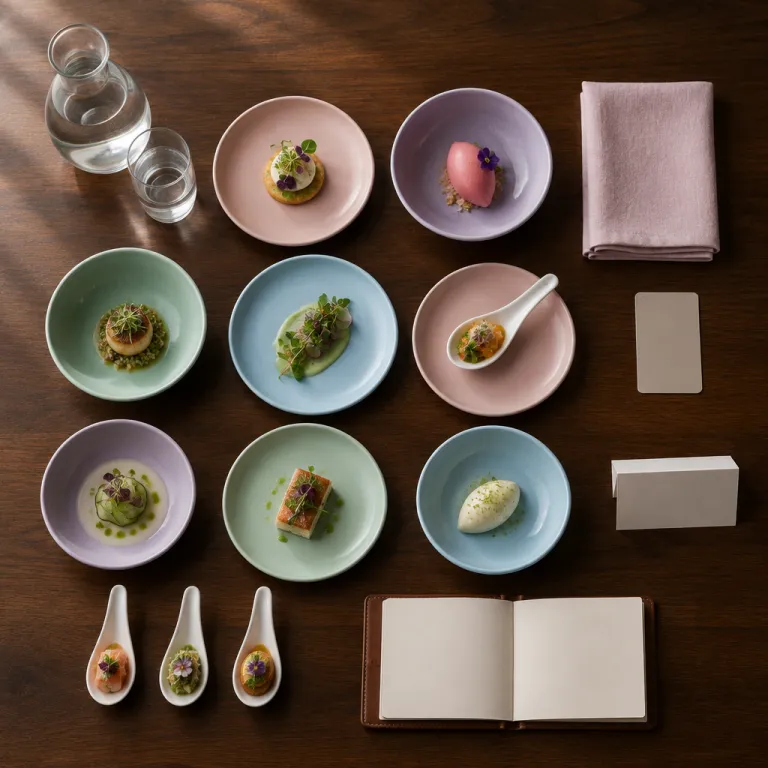
How personalised hotel dining actually works when the kitchen knows you
Personalised hotel dining starts long before you sit in the dining room. A serious luxury hotel builds a profile from your first stay, logging every tasting menu you choose, each wine pairing you finish and which course you quietly leave unfinished. Over time, that data turns a standard meal into a chef curated narrative that feels like it was written for you.
At the best luxury properties, the chef and sommelier review guest notes before service, not during it. They know if you prefer a counter seat facing the open kitchen or a quieter table in the corner of the fine dining restaurant, and they adjust the pacing of each course tasting accordingly. When a hotel restaurant reaches this level, the dining experience stops being a transaction and becomes a relationship built plate by plate.
Imagine arriving late from New York after a delayed flight and being led straight to a waiting place at the chef’s counter. The menu chef has already trimmed the multi course tasting menu to four focused courses because the équipe saw your arrival time in the system. You still receive a luxury tasting progression, but the cost in fatigue is lower and the service feels almost telepathic.
In a michelin starred environment, this memory extends to ingredients and textures. If your last stay ended with a wagyu course that you rated as too rich, the next seasonal tasting might swap wagyu for line caught fish and lighten the sauce. The same logic applies to caviar service, where the hotel can quietly adjust portion size or garnish based on your previous dining experiences.
Personalisation is not only about michelin stars or a famous chef. A non michelin star property can still deliver a refined dining destination if it uses seasonal ingredients intelligently and tracks guest feedback with discipline. What matters is that the hotel restaurants treat your tasting menus as evolving stories, not fixed scripts.
True luxury dining also respects boundaries. A thoughtful house will ask permission before pushing the limits of spice, texture or offal, even when the menu chef is excited about a new course. The most impressive dining experiences feel remembered yet never presumptuous, with each tasting menu adapting to your mood, schedule and appetite.
From loyalty profile to plate: how to activate hyper personalised service
To unlock this level of personalised tasting, you need to feed the system with precise données. Start by enrolling in the hotel’s loyalty programme and completing every preference field related to dining, from allergies to ideal meal times. Then, when you book a stay that includes a tasting menu, use the pre arrival email to reiterate your priorities in clear, concise language.
State whether you prefer a long multi course dinner or a shorter course tasting focused on savoury plates. Mention if you enjoy caviar and wagyu or if you would rather the chef curated menu highlight vegetables and seasonal ingredients. The more specific you are, the easier it becomes for the menu chef to design a luxury tasting progression that feels tailored rather than generic.
Direct booking channels usually give the kitchen more lead time than third party sites. When you book through the hotel website or reservation team, your dining experience notes flow straight into the internal CRM, where the restaurant and dining room managers can see them. This is especially valuable in michelin starred hotel restaurants, where the équipe often plans tasting menus days in advance.
Use pre arrival questionnaires to flag wellness goals as well as indulgences. If you are interested in circadian friendly menus or adaptogenic cocktails, reference concepts like a restorative hotel kitchen approach so the team understands your expectations. A skilled chef can then balance fine dining pleasure with lighter course structures and lower alcohol pairings.
Once on property, treat the first meal as a calibration session. Give discreet feedback on pacing, seasoning and portion size during the tasting menu, and let the service team know if you plan to return to the restaurant several times. In a well run luxury house, those comments are logged immediately and shape the next dining experiences without you repeating yourself.
For guests who value privacy, ask how your données are stored and who can access your dining profile. A trustworthy michelin star property will explain its policy clearly and reassure you that your preferences guide only your own dining destination, not generic marketing. When that transparency is in place, hyper personalised luxury dining feels like a privilege rather than surveillance.
What to look for when choosing a hotel for personalised tasting menus
Selecting the right property is the foundation of any personalised tasting menu luxury hotel guide. Start by examining how the hotel talks about its restaurant, its chef and its sourcing philosophy, not just its michelin stars. A hotel that highlights seasonal ingredients, local producers and a flexible tasting menu format is usually better equipped to personalise.
Read between the lines of the dining room description. If the hotel emphasises a chef curated counter experience, with limited seats and direct interaction, you are more likely to receive a customised course tasting. Larger hotel restaurants can still deliver luxury dining, but they need strong guest memory systems to adapt multi course menus at scale.
Look for signs that the property treats F&B as a true dining destination rather than an amenity. References to dedicated menu chef roles, in house fermentations or a kitchen garden suggest that the équipe is thinking beyond standard fine dining templates. These details matter more than whether the restaurant is michelin starred or simply aspiring to its first michelin star.
Geography plays a role too. In wine regions such as Tuscany, a property that offers a refined Montepulciano wine tour often extends that same attention to pairing into its tasting menus. Urban hotels in New York or London may lean on global sourcing, while rural houses can build luxury tasting experiences around hyper local produce.
When you book, ask specific questions about how the restaurant handles repeat guests. Do they keep notes on previous meals and tasting menus ? Can the chef adjust the cost of a menu by removing a wagyu or caviar course without compromising the overall experience ? The answers reveal whether personalisation is a talking point or a genuine practice.
Finally, pay attention to how the reservation team responds to unusual requests. If you mention that you prefer a four course tasting on arrival night and a longer multi course dinner later in the stay, a strong property will propose concrete options. That level of proactive service is a reliable indicator that your future dining experiences will feel as carefully edited as your room category.
The solo business traveller: when the restaurant becomes your second office
For the business leisure executive, the hotel restaurant often doubles as a workspace and a refuge. When you dine alone repeatedly, personalisation is not a flourish ; it is the fabric of the relationship between guest, chef and service team. A thoughtful house recognises that your dining experience must flex around calls, deadlines and jet lag.
On the first night, a solo guest might opt for a shorter tasting menu at the counter, watching the kitchen while clearing emails. The next evening, the same guest could request a quieter table in the dining room, asking the menu chef to stretch the course tasting into a slower, more reflective multi course progression. In both cases, the best luxury properties adjust pacing, portion size and even lighting to match the guest’s energy.
Regular solo travellers should be explicit about their patterns when they book. Mention that you will likely take two or three meals in house, alternating between fine dining and simpler room service. This allows the équipe to plan a sequence of tasting menus and à la carte options that avoid repetition while still showcasing seasonal ingredients and the chef curated signature dishes.
In michelin starred hotel restaurants, solo regulars often receive the most nuanced personalisation. The sommelier remembers that you prefer half glasses during a working dinner, while the kitchen quietly removes a wagyu course on nights when you have an early meeting. Over time, the restaurant becomes a genuine dining destination where the staff anticipates your needs with minimal conversation.
Emotional comfort matters as much as culinary precision. A solo guest seated at the counter might appreciate a brief introduction from the chef, then periods of calm where they can focus on work. In the dining room, a well trained service team knows when to engage in conversation and when to let the rhythm of the meal speak for itself.
For executives who extend trips into leisure, ask whether the hotel can shift gears for a partner’s arrival. A property that handles your efficient business tasting menu on Wednesday and then stages a celebratory luxury tasting with caviar and champagne on Friday has mastered true personalisation. The same kitchen, the same menu chef, two completely different dining experiences shaped around your life rather than their template.
Communicating preferences, dietary needs and celebrations without repeating yourself
Effective personalisation depends on clear, early communication that respects both guest and équipe. When you book, use the notes field to outline allergies, intolerances and non negotiable dislikes, then add a brief line about your ideal dining experience. This gives the chef and service team a framework before they start designing any tasting menu.
Be specific about ingredients that define luxury for you. If caviar and wagyu feel essential to a celebratory meal, say so, and ask how these elements might affect the overall cost of the tasting menus. Conversely, if your idea of luxury dining centres on vegetables, grains and seasonal ingredients, encourage the menu chef to build a course tasting that treats those components as stars rather than garnishes.
For dietary restrictions, separate medical needs from preferences. A michelin starred kitchen can usually adapt a multi course tasting menu to gluten free, dairy free or pescatarian requirements if they know in advance. Preferences such as low spice, no offal or limited raw textures help the restaurant fine tune the dining experience without compromising the integrity of the chef curated vision.
Celebrations deserve their own email. If you are planning a proposal, milestone birthday or promotion dinner, contact the hotel directly rather than relying on a third party platform. Ask whether the restaurant can personalise a course with a message, integrate a favourite dessert from a previous stay or stage a surprise element at the counter or in a private dining room.
Once on site, confirm key points with the maître d’hôtel before your first meal. A quick conversation about pacing, portion size and whether you prefer a longer or shorter tasting menu that evening can prevent misunderstandings. In a well organised house, those notes will carry through to subsequent dining experiences without further effort from you.
If you return to the same hotel regularly, request that your dining profile be updated after each stay. Mention which courses from the tasting menus stood out, whether the wagyu felt too heavy or the caviar service too generous, and how you found the cost to value balance. Over time, this feedback loop turns a good restaurant into your personal dining destination, where each new meal feels like a refined continuation of the last.
Reading the room: signals that a hotel truly remembers your palate
Not every luxury hotel that talks about personalisation delivers it at plate level. The first signal appears when you arrive at the restaurant and the host references your previous stay or favourite table without prompting. If they also recall whether you preferred the counter or a quieter corner of the dining room, you are in promising territory.
Next, pay attention to how the menu chef presents the tasting menu. Do they mention that tonight’s course tasting builds on dishes you enjoyed last time, or that they have removed a wagyu course because you found it too rich previously ? That kind of adjustment shows that the kitchen is using données to refine your dining experience, not just to send marketing emails.
Wine and beverage service offer another lens. A sommelier who remembers that you favour grower champagne with caviar or lighter reds with multi course fish menus is drawing on a real guest history. In michelin starred environments, this memory can extend to specific producers you tasted on earlier visits, turning the restaurant into a personalised dining destination rather than a generic fine dining stop.
Course pacing reveals how deeply the équipe understands your rhythms. If you are dining alone after a long day in New York meetings, a house that shortens the tasting menu slightly and tightens the intervals between plates is listening. On a leisure night, the same hotel restaurants might stretch the luxury tasting into a slower arc, giving you time to savour each course and the room’s atmosphere.
Look for subtle, cost neutral gestures too. A chef might send an extra amuse bouche built around a seasonal ingredient you once praised, or quietly adjust the garnish on a fish course to avoid an herb you dislike. These details matter more than grand displays of caviar or truffle, because they prove that the kitchen is cooking for you, not for Instagram.
Finally, notice how the restaurant handles mistakes. If a course misses the mark and the service team responds by adjusting the rest of the tasting menus in real time, you are seeing true hospitality. A property that learns from each misstep and updates your profile accordingly will only deepen the quality of your future dining experiences, turning the hotel into a long term culinary house rather than a one off stay.
Booking strategies: channels, timing and pairing stays with other luxury experiences
How you book your stay shapes how well the hotel can personalise your meals. Direct reservations through the hotel website or reservations team usually integrate most cleanly with the restaurant’s systems, giving the chef and service staff more time to plan your tasting menu. When you use third party platforms, follow up with an email that outlines your dining expectations and any special occasions.
Timing matters as much as channel. If you know you want a multi course tasting menu on a specific night, reserve that table as soon as you book your room, especially in michelin starred hotel restaurants. Popular counter seats and intimate dining room corners often fill quickly, and they are usually where the most nuanced luxury dining experiences unfold.
Consider pairing your personalised tasting menus with other high touch experiences during the stay. A property that offers an in room pool or spa ritual, such as those highlighted in this guide to elevated indulgence in luxury hotels, often extends that same attention to detail into the restaurant. When the house thinks holistically about rest, wellness and pleasure, the dining destination usually reflects that philosophy.
For guests travelling from hubs like New York, build in a buffer night before major meetings or events. Use that first evening for a shorter course tasting that helps you adjust to the time zone, then schedule the full luxury tasting later in the stay. This approach lets the menu chef calibrate your preferences early and refine the dining experience when you are more relaxed.
Do not overlook lunch. Some hotel restaurants offer daytime tasting menus that showcase seasonal ingredients in a lighter format, often at a lower cost than dinner. These meals can be ideal for business discussions, with the same chef curated precision and michelin star technique applied to a more flexible schedule.
Finally, think about how this stay fits into your broader travel pattern. If you tend to return to the same cities and houses, investing in relationships with a few key hotel restaurants will yield better long term personalisation than chasing every new opening. Over time, those properties become your private network of dining destinations, where each tasting menu feels like a continuation of an ongoing, deeply remembered conversation.
Key figures on personalised luxury hotel dining
- A report from McKinsey on personalisation in hospitality found that companies using advanced guest data to tailor experiences can see revenue lifts of 10 to 15 percent, largely driven by higher spend on dining and ancillary services.
- Research from American Express Travel shows that more than 80 percent of surveyed luxury travellers are willing to share dietary preferences and personal data in exchange for more tailored food and beverage experiences during hotel stays.
- Data from the MICHELIN Guide indicates that a significant share of new michelin stars awarded to hotels in major cities goes to properties where the restaurant operates as a destination in its own right, underscoring the value of serious F&B investment.
- A survey by Skift and Oracle Hospitality reported that over 70 percent of hotel executives see personalised F&B offerings, including customised tasting menus, as a key differentiator for attracting high value business leisure travellers.
FAQ about personalised tasting menus in luxury hotels
How far in advance should I request a personalised tasting menu ?
For meaningful personalisation, contact the hotel at least one to two weeks before arrival. This gives the chef time to design a course tasting around seasonal ingredients and your preferences, and allows the restaurant to secure specific products such as caviar or wagyu if requested. For michelin starred properties or peak dates, more lead time is always better.
Is a personalised tasting menu always more expensive than the standard option ?
The cost depends on how extensive the changes are and which ingredients you request. Adjusting portion sizes, pacing or a few courses usually does not increase the price significantly, while adding premium elements like extra caviar or wagyu can raise the overall cost. Clarify budget expectations when you book so the menu chef can design a luxury tasting that respects your limits.
Can luxury hotels personalise tasting menus for strict dietary restrictions ?
Many high end hotel restaurants can adapt multi course menus for gluten free, dairy free, vegetarian or pescatarian diets if informed in advance. The key is to separate medical requirements from preferences so the kitchen can plan safe, satisfying alternatives without last minute improvisation. For very complex needs, choose properties with a strong wellness or health focused positioning, as their équipes are usually better trained.
Do I need to be a repeat guest to benefit from personalised dining ?
Repeat guests enjoy deeper personalisation because the hotel accumulates data over several stays, but first time visitors can still access tailored experiences. By sharing detailed preferences when you book and during the first meal, you give the chef and service team enough information to adjust the tasting menu. If you plan to return, ask the restaurant to save your profile so future dining experiences start from a more advanced baseline.
Is it better to sit at the counter or in the main dining room for a personalised experience ?
Counter seating often allows more direct interaction with the chef and can lead to spontaneous adjustments to the tasting menu. The main dining room, however, may offer a calmer atmosphere and more space for business discussions or celebrations. Choose based on your priorities, and let the restaurant know your goals so they can shape the dining experience accordingly.