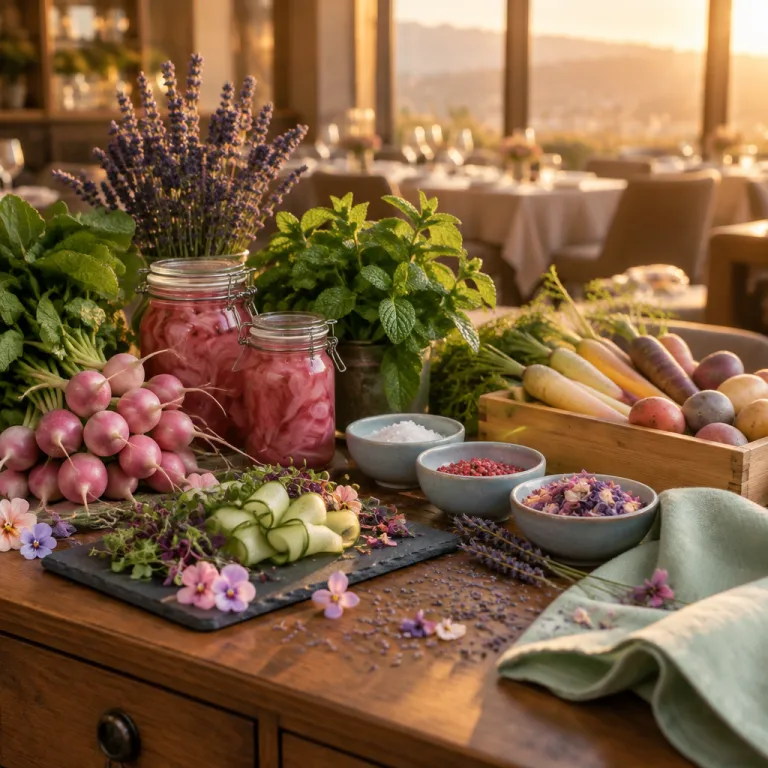
From plate to performance: what defines an immersive hotel dining narrative
Step into a luxury hotel where the dining room feels more like a stage than a static space. Here, the immersive dining luxury hotel experience unfolds as a narrative, with guests guided through chapters of flavour, light and sound that turn a simple dining experience into a curated story. The best hotel restaurants use this theatrical frame to deepen the connection between cuisine, local culture and the guest, not to distract from it.
In these hotel dining concepts, every sensory cue is intentional, from the texture of the linen in the dining rooms to the temperature shift as you move from bar to restaurant. Sound design is calibrated so that the clink of glassware and the murmur of guests become part of the performance, while scent is introduced in layers that echo the ingredients on the menu. Visual projections, subtle mapping on walls or even on dishes, can reference local landscapes or the journey of a single ingredient, creating dining experiences that feel both cinematic and grounded in place.
Service choreography is where the theatre of hotel restaurants either succeeds or fails, because timing and movement must support the food rather than overshadow it. A chef driven team will often brief the front of house so that each course in tasting menus lands with a clear narrative cue, whether it is a whispered explanation of the dish or a change in lighting that shifts the mood. When this level of fine dining precision meets genuine warmth, the result is luxury dining that feels immersive yet relaxed, giving each guest space to interpret the experience in their own way.
Multi-sensory details that quietly change how you taste
The most compelling immersive dining concepts in luxury hotels rarely shout about technology, even when the dining rooms are wired like small theatres. Instead, they use light, sound and tactility to nudge perception, allowing the cuisine and the ingredients to remain the focus of the experience. A well designed hotel restaurant might lower the lighting by a fraction as fine dishes become more delicate, or shift the soundtrack from coastal field recordings to a softer piano line as desserts arrive.
Texture matters as much as taste in these dining experiences, starting with the table itself, the weight of the cutlery and the feel of the chair against your back. In a coastal hotel resort, a chef driven team might choose ceramics fired with local clay, so that guests literally hold the region in their hands while tasting menus trace the shoreline through seafood and sea herbs. At an urban luxury hotel, the dining room might feature smooth stone tables and crisp linen, framing a michelin star menu that plays with contrast between raw and cooked, hot and cold, silence and sound.
For couples planning a romantic stay, these details can be the difference between a good hotel dining option and a dining experience that becomes the highlight of the trip. When the sommelier uses sound and pacing to frame pairings, wine becomes part of the narrative rather than an afterthought, especially in properties where wine pairing is treated as the main reason to book. The most successful hotel restaurants understand that immersive dining is not about spectacle alone ; it is about aligning every sensory element so that guests taste the story the chef wants to tell.
From lobby to last course: why hotels are built for narrative dining
Luxury hotels have a structural advantage when it comes to staging immersive dining, because they control the entire journey from arrival to final course. The path from lobby to dining room can be curated as a slow reveal, with lighting, scent and sound shifting as guests move closer to the restaurant. When a hotel resort uses this transition thoughtfully, the immersive dining luxury hotel experience begins long before the first menu is presented.
In practice, this might mean that a guest is greeted with a small food beverage element at check in, perhaps a sip of a local infusion that later reappears in the tasting menus. Some luxury hotels now use data driven hospitality to anticipate preferences, as explored in depth in analyses of how hotels can know your order before you sit down. When handled with discretion, this allows hotel restaurants to tailor menus for health conscious travelers, adjust seasoning, or propose alternative dishes without breaking the narrative flow of the dining experience.
Control of space also lets hotel dining teams experiment with multiple dining rooms, each with its own mood and level of theatre. A michelin star flagship might offer full fine dining performance, while a more relaxed hotel restaurant in the same property focuses on local cuisine and simple ingredients cooked over fire. For couples, this means you can choose between a long, choreographed dinner with michelin stars level ambition one night and a shorter, more intimate experience the next, all within the same hotel resort.
Substance over spectacle: when theatre elevates the plate
There is a fine line between immersive dining that enriches the palate and a show that leaves you remembering the projections but not the dishes. The most credible luxury dining programs start with sourcing, technique and flavour, then layer theatre on top, never the other way around. If the cuisine would not stand up in a plain dining room with no music and white walls, no amount of sensory design will save the experience.
Chef driven hotel restaurants that earn or aim for a michelin star tend to be ruthless about this hierarchy, because michelin stars are still awarded for what is on the plate, not the light show above it. In these kitchens, the chef writes menus around peak season ingredients and local culture, then works with the service team to decide where performance can heighten emotion without confusing the palate. A table side broth pour might be timed with a subtle sound cue, or a dessert might arrive under a glass cloche filled with scented smoke that echoes the flavours of the menu rather than masking them.
For health conscious guests, substance also means clarity about what they are eating, even in the most theatrical dining rooms. Transparent descriptions of ingredients, clear pacing between courses and the option of shorter tasting menus help couples enjoy the immersive dining luxury hotel experience without fatigue. When theatre is used to slow you down, sharpen attention and create shared memories, it becomes a powerful extension of fine dining rather than a gimmick that fades as soon as you leave the hotel.
Shared tables, chef stages and the new social script of hotel dining
As dining becomes a form of entertainment, the social architecture of hotel restaurants is changing, with more communal tables, chef counters and flexible dining rooms. Couples who once defaulted to a two top in the corner now often choose seats at a chef driven counter, where the experience unfolds like live theatre. Here, the immersive dining luxury hotel experience is as much about watching the brigade move as it is about tasting the cuisine.
Many luxury hotels now program culinary experiences as events, from one night only collaborations to extended chef residencies that turn the hotel restaurant into a rotating stage. This shift is explored in depth in analyses of how chef residencies transform hotel dining into a series of limited run performances. For guests, this means that the same dining room can host radically different menus and experiences across the year, with tasting menus that tell new stories while still reflecting local culture through ingredients and technique.
Communal formats also change how service operates, because staff must read the room and decide when to encourage interaction and when to protect intimacy. A long counter in a hotel resort might seat couples side by side, facing the open kitchen, so that they share the spectacle while keeping conversation private. When the choreography works, hotel dining becomes a shared yet personal performance, where food beverage pairings, fine dishes and the rhythm of the room align to create memories that feel worth the journey in themselves.
How to choose a hotel for a truly immersive dining stay
For couples planning a trip around food, choosing the right hotel can be the difference between a pleasant dinner and an experience that justifies the flight. Start by looking beyond michelin stars and asking how many distinct dining experiences the property offers, from formal fine dining to more relaxed hotel dining options that still care about ingredients. A strong program will usually include at least one chef driven restaurant, a bar with a serious food beverage approach and room service that feels like an extension of the main menus rather than an afterthought.
Pay attention to how the hotel talks about local culture and sourcing, because this often signals whether the cuisine will feel rooted or generic. Properties that highlight relationships with nearby producers, seasonal menus and culinary experiences such as market tours or cooking classes tend to deliver more coherent narratives on the plate. If you are health conscious, look for clear information about lighter dishes, plant forward options and flexibility within tasting menus, so that the immersive dining luxury hotel experience feels indulgent but not overwhelming.
Finally, read between the lines of guest feedback, focusing on comments about service pacing, atmosphere in the dining room and whether the theatre enhances or distracts from the food. When multiple guests mention that they remember specific dishes months later, not just the projections or the music, you are likely looking at a hotel restaurant where performance and flavour are in balance. Choose that hotel, and you give yourselves the best chance of a stay where dinner becomes theatre, and the curtain only falls when you return to your room upstairs.
FAQ
How is an immersive hotel dining experience different from a regular restaurant meal ?
An immersive hotel dining experience uses multiple senses to tell a coherent story, rather than simply serving a sequence of courses. Lighting, sound, scent and service choreography are designed to support the cuisine and the ingredients, creating a narrative arc from first bite to last. In the best luxury hotels, this narrative begins in the lobby and continues through the dining room, so the entire property becomes part of the meal.
Do I need to book a room to enjoy these hotel restaurants ?
Many hotel restaurants offering immersive dining welcome external guests, especially in urban locations. However, staying overnight often enhances the experience, because you can relax into longer tasting menus without worrying about transport. Couples planning a special occasion may find that booking a room turns dinner into a full luxury hotel experience, from pre dinner drinks to breakfast the next morning.
Are immersive dining menus suitable for health conscious travelers or specific diets ?
High level hotel restaurants are increasingly flexible, offering lighter dishes, plant forward options and adjustments for dietary needs. When you reserve, share your preferences so the chef and service team can adapt the menu without breaking the narrative of the dining experience. Health conscious guests should look for properties that communicate clearly about ingredients, sourcing and the structure of their menus.
How can I tell if a hotel’s dining theatre is more than just a gimmick ?
Look for signs that the cuisine would stand on its own without projections, scent effects or elaborate plating. Reviews that praise specific dishes, the balance of flavours and the quality of ingredients are more reassuring than comments focused only on spectacle. If the hotel highlights sourcing, local culture and chef driven creativity alongside any mention of technology, the theatre is more likely to enhance rather than replace substance.
What should couples ask when booking an immersive dining experience at a hotel ?
Ask about the length of the menu, the style of seating in the dining room and how flexible the kitchen is with pacing and dietary needs. Clarify whether the restaurant offers different dining experiences across your stay, such as a formal fine dining night and a more relaxed evening in another venue. This helps you plan a stay where the immersive dining luxury hotel experience feels tailored to your rhythm rather than imposed upon it.