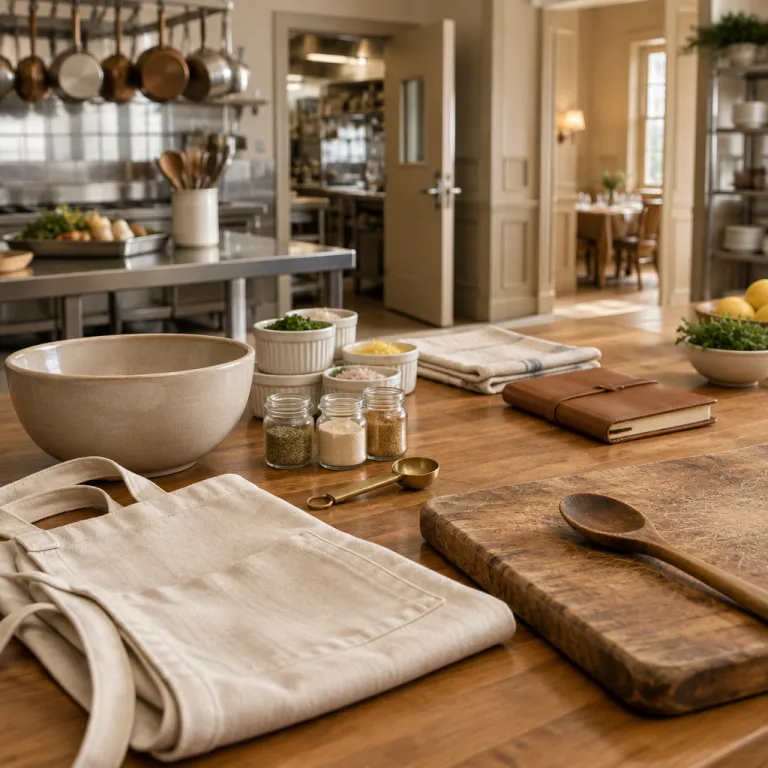
The new hotel cooking experience: from spectator to sous-chef
A serious hotel cooking experience culinary class guide starts with one question ; do you want to watch or actually cook ? Luxury properties now design cooking classes and culinary activities that move guests from the dining room into the kitchen, turning a passive tasting into a working shift on the line. Families, couples and solo travelers can choose a class, a full day in the kitchen or a multi day programme that feels closer to a compact cooking school than a holiday extra.
In high end hotel and resort kitchens, the best culinary classes mirror the real menu, not a simplified tourist version with safe recipes and pre chopped fresh ingredients. You should expect to work alongside an executive chef or senior sous chef, handle knives, plate food and learn how the team builds flavour, texture and timing across several courses. When a hotel describes its cooking class as immersive, ask whether you will join service in the main kitchen, or stay in a separate demo space that keeps you away from the real heat.
Look for properties where the chef to guest ratio in cooking classes stays low, ideally one chef for four guests, because this is where culinary skills genuinely improve and questions receive detailed answers. A strong hotel cooking experience culinary class guide will highlight whether children can safely participate, how the resort spa schedules align with kitchen sessions and whether wine pairings are included or optional. The most rewarding culinary activities end with a relaxed wine and dine moment, where you sit down in the restaurant, taste what you cooked and enjoy local wine or international labels poured by a sommelier who understands the menu’s rhythm.
Choosing the right format: from chef’s table to full kitchen immersion
Every serious hotel cooking experience culinary class guide should map the spectrum of formats, because not every traveler wants the same level of heat. At one end, chef’s table dinners and open kitchen counters keep you close to the pass, where you can watch the chef plate, ask questions between courses and enjoy a curated tasting menu with thoughtful wine pairings. These experiences suit guests who love food but prefer to keep their clothes free of sauce splashes and leave the knife work to professionals.
In the middle sit semi active culinary activities ; market visits with the hotel chef, short cooking classes focused on a single dish and tasting flights that explore local wine or regional olive oils. Here you might join the team on a morning visit to a valley market, select fresh ingredients from small producers and return to the resort kitchen for a focused cooking class that lasts two or three hours. Families often appreciate this format, because children can learn to shape pasta or assemble dim sum without committing to a full day in a hot kitchen.
At the most immersive end, some hotel and resort properties offer full day kitchen stages, where you shadow the executive chef from prep to service and rotate through pastry, grill and garde manger. These programmes usually carry a premium price, sometimes rivaling the room rate, so use a detailed hotel cooking experience culinary class guide and resources such as this analysis of how gastronomy hotel stays split costs between room and restaurant to judge whether the fee reflects real access and depth. When a property prices a class aggressively but limits you to stirring pre made sauces, you are paying for marketing, not for genuine culinary skills development.
What separates a serious kitchen programme from a tourist cooking class
Not every hotel cooking experience culinary class guide is honest about quality, so you need a few hard filters. First, examine the role of the chef ; are you working with the executive chef or a senior member of the brigade, or is the class outsourced to a generic instructor with no link to the restaurant’s food philosophy ? Serious culinary classes always connect directly to the main kitchen, its menu and its sourcing, so what you cook should resemble what appears on the dining room tables that evening.
Second, interrogate the ingredients and the level of work you will actually perform during cooking classes and culinary activities. If vegetables arrive pre chopped and sauces pre reduced, you are attending a demonstration, not a hands on cooking school style session that builds real culinary skills. Look for programmes that highlight fresh ingredients from named farms, local valley producers, nearby fishing ports and regional artisans, because this is where you taste terroir and understand why the chef talks about passion for food rather than generic passion food slogans.
Third, consider how the experience ends ; do you sit down in the restaurant for a proper wine and dine service, or eat standing in the kitchen corridor from paper plates ? High calibre hotel and resort spa properties usually integrate the class into the broader stay, perhaps pairing it with a treatment from the wellness team so that the spa and kitchen speak the same language of restoration, as explored in this feature on the restorative plate and the hotel kitchen’s role in wellness for guests who care about balance. When a property treats culinary classes as a core part of its identity rather than a side activity, you feel it in the pacing, the plating and the way staff talk about food.
Family friendly culinary journeys: kids in aprons, not on screens
Parents reading any hotel cooking experience culinary class guide usually ask the same thing ; will my children be welcome in the kitchen ? The best gastronomy focused hotel and resort properties answer with structured kids’ cooking classes, family sessions and intergenerational culinary activities that respect safety while keeping things genuinely hands on. Instead of parking children in a corner with colouring books, these programmes invite them to knead dough, roll dim sum, taste sauces and learn where ingredients come from.
Look for hotels that schedule family cooking classes in the late morning, when young attention spans are fresh and the kitchen is calmer than during evening service. A thoughtful executive chef will design a separate kids’ menu that still uses the same fresh ingredients as the main restaurant, so children learn to appreciate local food rather than a default plate of fries. Some mountain and valley resorts even combine outdoor activities with cooking ; foraging walks to pick herbs, visits to farm animals and simple cheese making sessions that end with a picnic and local wine for adults.
For multi generational trips, seek properties that offer parallel tracks ; a more technical cooking class for adults, a playful version for children and a shared tasting at the end where everyone can enjoy what they prepared. This is where a curated platform such as gastronomy-stay.com, and specifically its guide to luxury gastronomy hotels that work with kids at the table becomes invaluable for families. When a hotel treats children as future guests with serious palates, rather than as an inconvenience, the entire cooking experience feels more relaxed, generous and memorable.
Global flavours: from Hong Kong dim sum to Napa valley wine pairings
A refined hotel cooking experience culinary class guide should move confidently across continents, because culinary classes now rival city food tours in depth. In Hong Kong, for example, several luxury hotel and resort properties run dim sum focused cooking classes where guests learn to fold har gow, pleat siu mai and steam buns in traditional bamboo baskets. These sessions often pair with market visits, so you can see how fresh ingredients are sourced from long standing vendors before you step into the kitchen.
Across the Pacific, wine country resorts in Napa valley and Sonoma valley lean into wine pairings and local wine education as part of their culinary activities. A typical day might start with a vineyard visit, continue with a cooking class that highlights seasonal produce and end with a guided tasting where the sommelier explains why certain wines lift acidity, tame richness or echo herbal notes in the food. Here, the line between cooking school and leisure blurs, because you are learning serious culinary skills while still feeling firmly on holiday.
Some award winning properties, such as Four Seasons Resort and similar seasons resort style brands, integrate their resort spa, kitchen and cellar into cohesive programmes that run over several days. Guests might alternate between spa treatments, hands on culinary classes and structured wine and dine evenings that showcase both international labels and local wine from nearby estates. When evaluating these offers, treat them as you would any educational programme ; ask about instructor credentials, group size, the balance between demonstration and practice and whether the hotel partners with institutions such as the Culinary Institute of America or another respected culinary institute to shape the curriculum.
How to book, what it costs and who these programmes suit
Any honest hotel cooking experience culinary class guide must address logistics, because even the most seductive kitchen story means little if the schedule does not work. Start by checking whether the hotel or resort runs cooking classes daily, only on specific days or seasonally, since many properties align culinary activities with harvests, fishing seasons or local festivals. Ask for the typical duration of each class, whether sessions run in small groups or privately and how far in advance you should reserve to secure a place.
Pricing varies widely ; some luxury hotels include a short cooking class or tasting as part of a package, while others charge a premium that reflects the time of the executive chef and the cost of high quality fresh ingredients. When comparing options, calculate the per hour rate and what is included, from wine pairings and printed recipes to market visits and post class dining, because this reveals whether you are paying for depth or for branding. Families should also ask about reduced rates for children, whether non cooking companions can join the final meal and how cancellations work, especially in destinations where weather can disrupt outdoor activities linked to the kitchen.
Skill level matters as much as budget ; some programmes welcome absolute beginners who want to learn basic knife work and simple sauces, while others assume you already cook confidently at home and want to refine specific culinary skills. If you have dietary restrictions, communicate them early and confirm in writing that the hotel can adapt both the cooking and the tasting elements without diluting the experience. The most guest focused properties will treat these conversations as part of their service culture, not as an inconvenience, and will adjust menus, ingredients and even class structure so that every participant can enjoy delicious experiences without compromise.
Key figures shaping hotel culinary experiences
- According to the World Food Travel Association, more than 80 percent of leisure travelers now consider food related activities, such as cooking classes and tastings, an important part of trip planning, which explains why hotels invest heavily in kitchen based programmes.
- Research from the Culinary Institute of America indicates that hands on classes with a chef to guest ratio of 1 to 4 lead to significantly higher skill retention than larger group demonstrations, supporting the value of small format hotel kitchen experiences.
- Data from Napa Valley tourism authorities shows that visitors who participate in wine pairings or local wine education spend up to 20 percent more on dining and activities during their stay, a figure that encourages resorts to integrate cellar experiences with cooking sessions.
- Family travel surveys by organizations such as Virtuoso report that multigenerational trips now account for roughly one third of luxury bookings, with culinary activities ranking among the top requested shared experiences across age groups.
FAQ about hotel culinary experiences
How far in advance should I book a hotel cooking class ?
For popular luxury hotels and resorts, you should book cooking classes at least two to four weeks before arrival, especially during peak seasons and weekends. Immersive programmes that involve the executive chef or include market visits often have very limited capacity, so last minute availability is rare. If the class is central to your trip, secure it before you finalize flights.
Are hotel cooking experiences suitable for complete beginners ?
Most high end properties design their culinary activities to welcome beginners, focusing on basic techniques, clear demonstrations and close supervision in the kitchen. When you reserve, be honest about your skill level so the team can place you in the right group or suggest a private class. If you already cook confidently, ask whether there is an advanced option that goes deeper into sauces, plating or regional specialities.
Can dietary restrictions be accommodated in hands on kitchen programmes ?
Serious gastronomy hotels routinely adapt menus for guests with dietary restrictions, but they need advance notice to source appropriate fresh ingredients. When booking, provide detailed information about allergies, intolerances or preferences and request written confirmation that the class and tasting can be adjusted. In some cases, the chef may design parallel recipes so you can still learn core techniques without compromising safety or enjoyment.
What should I wear for an immersive hotel kitchen experience ?
Wear closed toe, non slip shoes and comfortable clothing that you do not mind staining, because professional kitchens involve heat, steam and occasional splashes. Most hotels provide aprons and sometimes chef jackets, but you can ask in advance if you prefer to bring your own gear. Avoid dangling jewellery and tie back long hair, since safety and hygiene standards in resort kitchens mirror those in standalone restaurants.
How do I judge whether a hotel culinary programme is worth the price ?
Assess the length of the class, the chef’s credentials, the group size and what is included, from market visits and wine pairings to post class dining and recipe materials. Compare the fee to the property’s restaurant pricing ; if the class costs more than a full tasting menu but offers limited hands on time, value may be weak. Reviews from experienced travelers and platforms that specialize in gastronomy hotels can also help you separate marketing from genuinely rich kitchen experiences.