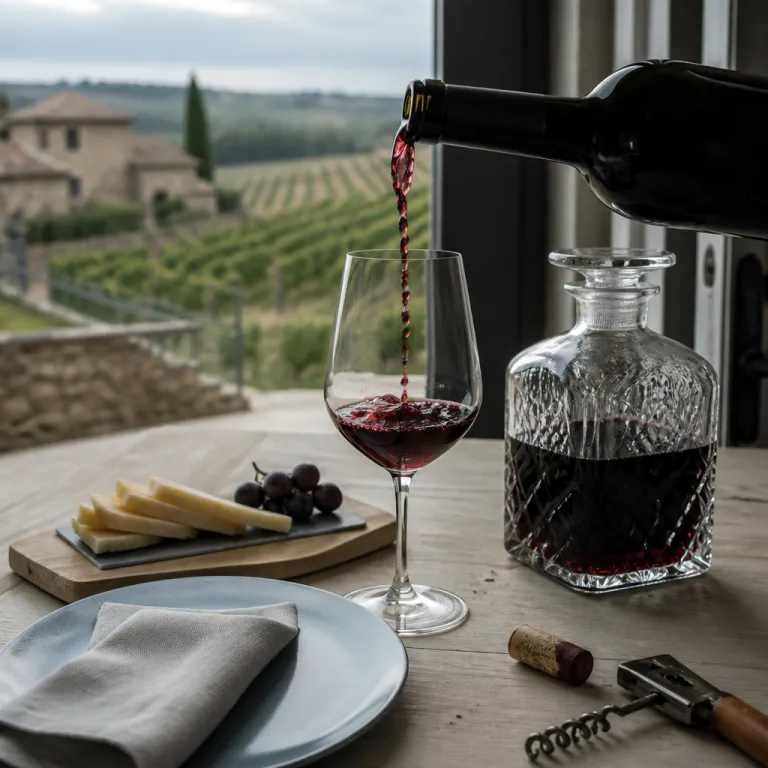
What defines a true tuscany winery hotel experience
A genuine tuscany winery hotel stay begins on a working wine estate where vineyards shape every view and daily life follows the agricultural calendar. In Tuscany, the most memorable wine-estate hotels occupy historic villas or castelli, pairing centuries of rural tradition with discreet luxury and modern comfort. Guests enjoy direct access to cellar tours, guided tastings, and seasonal food pairings that express the character of the surrounding countryside.
Properties such as Relais Vignale & Spa in Chianti Classico or Il Falconiere Relais & Spa near Cortona illustrate how a restored seventeenth century estate can feel both intimate and sophisticated. Their rooms often occupy former farmhouses or manor wings, so you sleep where landowners once oversaw hectares of vineyards and tended nearby olive groves. When you reserve a stay at these addresses, you are not only booking a hotel room but securing a private retreat into Tuscan wine culture.
Across Tuscany, many wine hotels balance historic charm with carefully curated amenities like a panoramic infinity pool, compact spa, and shaded terraces for open air breakfasts. A well designed tuscany winery hotel will frame sweeping views of vineyards and olive trees from almost every angle, whether you are relaxing by the swimming pool or reading in a stone loggia. The best wine estates also limit guest numbers, so visitors enjoy a calm atmosphere surrounded by vines rather than a crowded resort feel.
Hidden luxury retreats among vineyards and olive groves
Some of the most rewarding tuscany winery hotel stays unfold far from main roads, where gravel lanes wind through hectares of vineyards and cypress lined drives. Valdonica Winery & Residence in the Maremma hills is a prime example, an organic wine estate where rooms and villas sit above the Tyrrhenian coast with wide panoramic views. Here, guests enjoy a sense of private retreat, with terraces that feel suspended between sea breezes and the ordered geometry of vineyard rows.
In Valdarno, Il Borro Relais & Châteaux transforms a medieval borgo style hamlet into a refined wine hotel, with stone houses converted into suites and villas. The estate’s streets, chapel, and artisan workshops preserve historic charm, while interiors offer modern comfort and carefully controlled lighting. When you look up dates here, you are effectively choosing to stay inside a living village, framed by vineyards, olive groves, and a working wine cellar.
Travelers who appreciate understated luxury often compare these Tuscan retreats with other wine country gastronomy escapes, such as the elegant Sonoma wine country stays described in this guide to bed and breakfasts in Sonoma for wine focused getaways. Tuscany differs through its density of historic castello properties and the way daily life still revolves around seasonal vineyard work. A carefully chosen tuscany winery hotel lets you enjoy that rhythm, from early morning pruning to late evening tastings under the pergola.
Signature estates: from castello spaltenna to san bonifacio
Among the most atmospheric addresses, Castello Spaltenna in Castellina in Chianti stands out for its fortified stone walls and Romanesque church. This castello style tuscany winery hotel sits above rows of Sangiovese vineyards, offering rooms with thick stone walls, timber beams, and views that stretch across the Chianti countryside. Guests enjoy cellar tours that explain how traditional Chianti Classico production has evolved into a more modern, quality focused approach.
Nearby, the village of Castellina in Chianti hosts several wine hotels and agriturismo style estates, but Castello Spaltenna remains a reference for travelers seeking both historic charm and refined service. Its infinity pool appears to spill directly into the surrounding vineyards, creating one of the most striking panoramic views in the region. When you confirm a reservation here, you are choosing a hotel where every architectural detail, from cloistered courtyards to stone staircases, reinforces the sense of staying inside a living monument.
On the Maremma coast, Wine Resort Conti di San Bonifacio offers a contrasting expression of Tuscan wine estate life. This san bonifacio property feels more like a contemporary villa than a medieval castello, with large windows, modern comfort, and a swimming pool that overlooks hectares of vineyards, olive groves, and low rolling hills. Travelers who enjoy romantic wine country escapes often compare such Tuscan retreats with the refined hideaways described in this overview of romantic Northern California getaways for gastronomy lovers, yet Tuscany adds layers of history that shape every glass poured.
How to choose and book the right tuscany winery hotel
Selecting the right tuscany winery hotel begins with clarifying how you want to engage with wine. Some travelers prefer estates like Il Falconiere or Relais Vignale & Spa, where structured tastings, cooking classes, and guided cellar tours anchor each day. Others lean toward quieter vineyard inns such as Villa Loggio Winery and its intimate wine hotel near Cortona, where guests enjoy more private time by the swimming pool and explore nearby hill towns independently.
When you review options, pay attention to room categories, vineyard proximity, and whether your windows face the main courtyard or open countryside. Rooms with direct vineyard view or panoramic views over olive groves often command a premium, but they transform simple moments like morning coffee into lasting memories. It is also worth checking whether the estate offers a dedicated wine concierge who can arrange tastings at neighboring wine hotels and independent wineries across Tuscany.
For travelers planning multi stop itineraries, a specialist luxury and premium booking website for gastronomy focused hotels can streamline decisions. These platforms usually highlight whether a hotel is part of a working wine estate, the number of hectares of vineyards, and if there is an infinity pool or classic swimming pool on site. They also allow you to book flexible rates, compare availability across several estates, and read detailed notes on how guests enjoy food pairings, cellar visits, and seasonal events.
Gastronomy, wellness, and the best wine focused experiences
A refined tuscany winery hotel stay is as much about gastronomy as it is about the vineyards themselves. Many estates partner with local producers to serve menus built around olive oil from their own groves, seasonal vegetables, and meats from nearby farms. When a chef works closely with the winemaking équipe, guests enjoy pairings that highlight the best wine from each parcel of the estate.
Il Falconiere, for example, is known for its restaurant where tasting menus trace the evolution of Cortona’s wine culture, while spa treatments incorporate grape based products. At Valdonica Winery & Residence, wellness takes a quieter form, with walking paths through hectares of vineyards and yoga terraces overlooking the sea facing hills. Increasingly, Tuscan wine hotels integrate wellness facilities such as small spas, saunas, and heated pools, reflecting the broader rise in agritourism and the integration of wellness services in winery hotels.
Travelers who value culinary exploration across borders often combine a Tuscan stay with urban gastronomy breaks, such as those described in this guide to refined foodie escapes in Brussels. The contrast between a city based tasting itinerary and a rural wine estate retreat deepens your appreciation of regional differences. Back in Tuscany, you return to your villa or castello style hotel, enjoy a final glass on the terrace, and watch the light fade across the vineyards.
Practical planning tips for a seamless wine country retreat
Planning a stay at a tuscany winery hotel requires attention to timing, transport, and on site logistics. September to October during the grape harvest is widely regarded as the best time to visit Tuscany for wine tours. During this period, you should book several months ahead and monitor room calendars frequently, as suites with vineyard view and access to cellar tours sell out quickly.
Because many estates sit in rural country locations, it is recommended to rent a car in Tuscany for exploring rural areas and vineyards. This gives you freedom to visit neighboring wine hotels, small villages, and viewpoints that are not served by public transport. When you book your hotel, confirm whether parking is private and on site, and ask the équipe to check driving times between the estate and nearby towns.
Families often wonder whether winery hotels in Tuscany are suitable for children, and the answer is reassuring. Yes, many offer family friendly amenities, such as larger rooms, swimming pool access, and flexible meal times, while still maintaining a calm atmosphere for couples. English speaking staff are standard at most higher end estates, so you can comfortably arrange cellar tours, restaurant reservations, and activities without language barriers.
Comparing styles: country villas, historic castelli, and intimate hamlets
Not every tuscany winery hotel feels the same, and understanding the main styles helps you choose the right retreat. Country villas such as Il Borgo di Villa Castelletti Country Hotel near Florence or Villa Loggio near Cortona offer a relaxed, residential atmosphere with spacious rooms and lawns that roll gently toward vineyards. These properties suit travelers who want modern comfort, easy parking, and quick access to nearby cities for cultural excursions.
Historic castelli like Castello Spaltenna or Castello Bonaria, by contrast, emphasize stone architecture, chapels, and thick walls that speak of earlier centuries. Their rooms may be smaller but compensate with vaulted ceilings, antique furniture, and dramatic panoramic views over surrounding vineyards and olive groves. Guests enjoy a strong sense of place here, especially when evening tastings take place in candlelit halls or former defensive towers.
Finally, hamlet style estates such as Il Borro Relais & Châteaux recreate the feeling of staying in a borgo style village, with narrow lanes, small piazzas, and several accommodation types scattered across the wine estate. These complexes often include artisan workshops, chapels, and multiple dining options, so you can enjoy variety without leaving the property. When you compare availability across these different categories, consider how much privacy, historic charm, and on site activity you want from your Tuscan wine country base.
Key statistics about Tuscany winery hotels and wine estates
- According to the Consorzio Vino Chianti Classico and other regional consortia, Tuscany counts well over 500 active wineries, giving travelers an exceptional density of estates to visit within a relatively compact region. Exact figures vary by source and year, so it is worth checking the latest data from official consortia when planning specialist tours.
- Annual wine production in Tuscany is typically reported at around 2.6 to 3.0 million hectoliters, a volume that reflects both global demand and the region’s long standing commitment to quality focused viticulture. Updated statistics are published regularly by Italian agricultural institutes and regional wine boards.
- Many leading winery hotels manage dozens of hectares of vineyards, allowing them to produce estate bottled wines that express multiple soil types and exposures within a single property.
- Check in times at most Tuscan wine hotels typically start around 15:00, while check out is usually by 11:00, so planning tastings and cellar tours around these windows helps avoid rushed arrivals or departures.
- The rise in agritourism across Tuscany has led to a steady increase in wine estate accommodations, with more properties integrating wellness services such as spas and infinity pools to meet evolving guest expectations.
Frequently asked questions about staying at a tuscany winery hotel
What is the best time to visit Tuscany for wine tours ?
September to October during the grape harvest is considered the ideal period for wine focused travel in Tuscany. During these weeks, vineyards are active, cellar tours often include harvest insights, and many estates host special tastings. Availability at popular wine hotels is limited, so advance booking is essential.
Are winery hotels in Tuscany suitable for families ?
Yes, many Tuscan winery hotels are suitable for families and offer amenities such as larger rooms, extra beds, and child friendly swimming pool areas. Some estates organize informal activities like vineyard walks or simple cooking demonstrations that children can enjoy. It is wise to check in advance whether the specific wine estate you choose welcomes younger guests in all common areas.
Do these hotels offer cooking classes ?
Several leading tuscany winery hotel properties, including Il Falconiere and Relais Vignale & Spa, offer Tuscan cooking classes. These sessions typically focus on regional dishes such as handmade pasta, seasonal vegetables, and desserts paired with estate wines. Booking classes ahead of arrival ensures a place, especially during peak seasons.
Is it necessary to rent a car in Tuscany for a winery stay ?
Renting a car is recommended for exploring rural areas and vineyards, as many estates sit far from train stations and bus routes. A car allows you to visit multiple wine hotels, hill towns, and viewpoints in a single day. Always check driving distances and road conditions with your hotel équipe before planning longer excursions.
Do Tuscan winery hotels usually have English speaking staff ?
Yes, most higher end winery hotels in Tuscany employ English speaking staff at reception, in restaurants, and during cellar tours. This makes it easier to understand wine explanations, ask detailed questions, and arrange activities. If you have specific language needs, you can always check with the estate before confirming your booking.
Sources : regional wine consortia, Italian agricultural statistics, regional tourism boards, and official hotel publications (latest figures consulted 2023–2024).