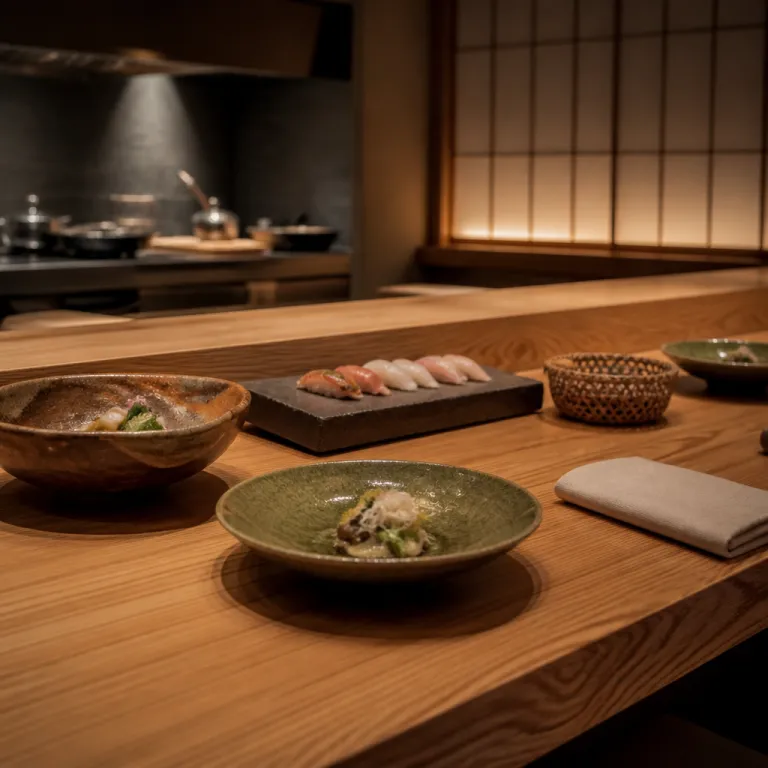
The kaiseki hotel model: when the meal shapes the entire stay
In the best gastronomy hotels in Japan, the kaiseki meal is not just dinner; it is the quiet architecture behind your entire stay. From the moment you arrive, every gesture, from the welcome tea to the way your luggage disappears, is timed around a multi course rhythm that defines traditional kaiseki cuisine. In these properties, searching for gastronomy hotels in Japan with kaiseki or omakase is less about a keyword and more about a promise that the room, the hot springs and the dining room speak the same language.
Classic ryokans such as Ohgiya Hotel in Takeo hot springs and Hotel Seifuen in Tsukioka Onsen show how a kaiseki course can frame the day. You check in mid afternoon, soak in mineral baths, then change into yukata before a kaiseki dinner that arrives as a carefully sequenced menu in your room or a private dining space. A typical evening might include an opening sakizuke appetizer, sashimi, a simmered nimono, a grilled yakimono and a rice course with miso soup. Breakfast the next morning feels like a lighter kaiseki meal, with seasonal ingredients, grilled fish and rice presented with the same attention to balance and texture as the evening dishes.
Understanding this model matters when you compare food-focused hotels and kaiseki or omakase options across Japan. In a traditional setting, the kaiseki course is usually included in the room rate, and the amount you see online often reflects both lodging and a full kaiseki dinner plus breakfast. There is rarely a separate service charge line item; instead, the expectation is that the kaiseki meal, the hot springs access and the discreet, almost invisible service form a single, seamless dining experience.
Within this framework, kaiseki cuisine follows a loose but recognisable structure that many first time guests find reassuring. A typical progression might open with a small seasonal appetizer, move through sashimi, a simmered dish, a grilled course and a rice course, then close with fruit or a delicate dessert. In winter, snow crab, root vegetables and rich broths dominate the menu, while spring kaiseki dinners in Kyoto lean into mountain vegetables and young bamboo shoots.
For travelers used to Western fine dining, the absence of à la carte choices in a kaiseki meal can feel unusual at first. Yet this is where the philosophy behind kaiseki omakase becomes clear, because the chef has already edited the ingredients and dishes to reflect the exact moment in the season. You are not ordering a Japanese tasting menu by scanning a long list; you are accepting a chef driven narrative that uses local ingredients, climate and craft as its main tools.
City hotels with serious kitchens: Tokyo’s omakase counters and sky high kaiseki
Tokyo holds more Michelin starred restaurants than any other city in Japan, and its top hotels have responded by turning their kitchens into destinations in their own right. According to the Michelin Guide Tokyo 2024, the capital lists 226 starred restaurants, a density that shapes how hotel dining rooms operate. At Park Hyatt Tokyo, Aman Tokyo and The Peninsula Tokyo, the line between hotel guest and outside diner blurs, because the restaurant spaces attract locals chasing the city’s most precise sushi and kaiseki omakase experiences. For a solo traveler, this makes booking a gastronomy hotel with kaiseki or omakase a practical strategy, not just a fantasy, because you can reserve a room upstairs and a counter seat downstairs in one seamless plan.
Park Hyatt Tokyo remains a benchmark for Japanese fine dining in the capital, with restaurants that treat seasonal ingredients as seriously as any independent Japanese restaurant in Shinjuku or Ginza. Here, a kaiseki course might be served in a calm, wood lined room, while a separate sushi counter offers an omakase dinner that runs through pristine nigiri, grilled dishes and a final rice course. Multi course menus at this level typically start around ¥20,000–¥30,000 per person and rise with premium ingredients and wine pairings, but the ability to retreat to your room after a long omakase kaiseki sequence is a quiet luxury.
Aman Tokyo takes a slightly different approach, folding Japanese cuisine into a broader, design led narrative that still respects the logic of kaiseki cuisine. You might start with a kaiseki meal in the main Japanese restaurant, then move to the bar for a final course of Japanese whisky and wagashi sweets. For guests who want a softer landing into the world of kaiseki dinner etiquette, the staff here are adept at explaining each course, from the opening appetizer to the final rice and pickles, without breaking the calm of the dining experience.
Across town, Rosewood Tokyo in Roppongi has entered the scene with a strong emphasis on destination dining and bars, positioning its restaurants as serious contenders in the city’s competitive fine dining landscape. Expect a mix of Japanese cuisine and international influences, with at least one restaurant likely to lean into kaiseki course structures and omakase style sushi service. When you factor in the service charge and the cost of wine pairings, dinners at comparable luxury hotels in Tokyo often land in the ¥25,000–¥40,000 per person range, yet they offer a level of chef interaction and ingredient sourcing transparency that appeals to food obsessed travelers.
For those mapping a broader gastronomy journey, it is worth pairing these Tokyo stays with other food first hotel experiences, such as the mountain focused properties highlighted in the guide to the mountain hotel comeback in the Alps and Jura. The contrast between a sky high omakase counter in Tokyo and a remote European inn with a tasting menu shows how different cultures use the hotel restaurant as a stage. In Japan, the emphasis on kaiseki omakase and multi course structure is more codified, yet the underlying goal is the same; to turn dinner into the quiet centre of the trip.
Kyoto and the Capella effect: kaiseki, hot springs and a 12 seat transplant
Kyoto has long been the spiritual home of kaiseki cuisine, and its gastronomy hotels lean into that heritage with a confidence that feels almost understated. Traditional properties in the city and nearby hot springs towns offer kaiseki Kyoto experiences where the multi course structure is deeply tied to local vegetables, river fish and centuries old tea culture. For travelers chasing immersive kaiseki and omakase stays, Kyoto is where the idea of the hotel as a living restaurant really crystallises.
Capella Kyoto is set to sharpen that focus even further with SoNoMa by SingleThread, a 12 seat restaurant inside the hotel led by chef Kyle Connaughton and farmer Katina Connaughton. This Sonoma to Kyoto transplant, announced in 2023 by both Capella and SingleThread in their official communications, will bring a farm driven, multi course approach that sits somewhere between kaiseki course logic and a Californian tasting menu, with seasonal ingredients sourced from local producers and the Connaughtons’ own agricultural expertise. In practice, guests will be able to book a room, a kaiseki omakase style dinner at SoNoMa and perhaps a more traditional kaiseki meal elsewhere in Kyoto, creating a layered dining experience within a single stay.
Beyond Capella, Kyoto’s existing gastronomy hotels range from intimate inns to larger properties that still treat the restaurant as the heart of the house. Many offer kaiseki dinner options that highlight snow crab in winter, river ayu in summer and mountain vegetables in spring, with each course menu adjusted daily according to what arrives from local markets. The best of these Japanese restaurants understand that guests may be new to kaiseki cuisine, so they quietly explain the flow of dishes, the role of rice in the meal and the etiquette around leaving the chef to lead the sequence.
For travelers comparing Japan with other food led destinations, it can be useful to read a broader review led guide to gastronomy hotels in France. In France, the tasting menu often dominates, while in Kyoto the kaiseki meal remains the reference point, even when chefs experiment with modern techniques. Both models rely on multi course structures and seasonal ingredients, yet Kyoto’s kaiseki Kyoto traditions place more emphasis on harmony with the surrounding landscape and the rhythm of the tea ceremony.
Looking ahead, Capella Kyoto’s partnership with SingleThread signals a new phase for high end Japanese gastronomy hotels, where international luxury brands treat the hotel restaurant as a laboratory rather than a mere amenity. Expect more chef driven, 12 to 20 seat dining rooms inside hotels, where the cost of a course menu reflects not only ingredient quality but also the intimacy of the room and the direct interaction with the chef. For the solo explorer, this means more opportunities to sit at a counter, watch each Japanese course unfold and feel part of a small, focused audience rather than a large banquet.
Ryokans versus international luxury brands: two models of food first hospitality
Choosing between a traditional ryokan and an international luxury hotel in Japan is essentially choosing between two philosophies of food first hospitality. In a ryokan such as Ohgiya Hotel or Hotel Seifuen, the kaiseki meal is woven into the fabric of the stay, from the timing of your hot springs soak to the way your futon is laid out after dinner. In a global brand like Rosewood Tokyo or the upcoming Capella Kyoto, the restaurant often operates as a standalone fine dining venue that also happens to sit inside a hotel.
At ryokans, kaiseki cuisine usually arrives as a set kaiseki course served either in your room or a private dining room, with little emphasis on separate restaurant branding. The nightly rate you pay typically covers lodging, kaiseki dinner and breakfast, and there is rarely a visible service charge because hospitality is considered part of the all inclusive experience. In many classic onsen towns, mid range ryokan plans with kaiseki start around ¥20,000–¥35,000 per person, while higher end properties can easily exceed ¥50,000 when premium ingredients are featured. Guests move from hot springs to tatami rooms to the kaiseki meal in a gentle loop, and the dining experience is designed to feel like an extension of the home rather than a formal restaurant outing.
International luxury hotels in Japan, by contrast, tend to separate spaces and concepts more clearly. You might have a dedicated Japanese restaurant offering a kaiseki meal, a sushi counter with omakase kaiseki elements and a Western grill, each with its own course menu and pricing structure. Here, a service charge is usually added to the bill, and the cost of a kaiseki dinner or omakase sequence is itemised much like in any global fine dining restaurant, which can feel more familiar to international guests.
Hilton Hiroshima’s SENSUI illustrates a hybrid approach, offering sushi, teppanyaki and kaiseki under one roof, yet still grounded in Japanese cuisine and seasonal ingredients. Guests can choose a multi course kaiseki dinner one night, then sit at the sushi counter for an omakase meal the next, all within the same hotel. This flexibility appeals to travelers who want the depth of kaiseki omakase without committing every evening of their trip to a single style of dining.
For those who enjoy comparing models across borders, the way Japanese gastronomy hotels handle hot springs, kaiseki course structures and restaurant branding contrasts sharply with Alpine properties that focus on panoramic saunas and mountain tasting menus. A useful reference is the guide to Austrian hotels with panoramic saunas, where wellness architecture often takes centre stage. In Japan, by contrast, even when the onsen is spectacular, the kaiseki meal and the omakase counter remain the quiet stars of the show.
How to book: pricing, etiquette and reading between the lines
Booking food led hotel stays built around kaiseki and omakase requires a slightly different mindset from reserving a standard city hotel. You are not just choosing a room type; you are effectively pre booking a kaiseki meal, an omakase counter seat or both, and the details matter. The smartest travelers read the fine print on course menus, price ranges and service charge policies before they commit.
In ryokans, look for plans labelled with kaiseki dinner included, often described as a kaiseki course or kaiseki meal featuring seasonal ingredients. The listed rate usually covers dinner and breakfast, and there is rarely a separate line for service charge, though a small local tax may apply. When you see mentions of snow crab, wagyu or premium sushi in the menu description, expect the rate to climb accordingly, because these ingredients significantly shape the overall cost of the dining experience.
City hotels with serious restaurants often separate room and dining reservations, especially for high demand omakase kaiseki counters. At places like Den Restaurant in Tokyo, where chef Zaiyu Hasegawa offers playful, seasonal omakase in Tokyo, you will need to secure a restaurant booking first, then align your hotel stay around that date. For in house Japanese restaurants at hotels such as Park Hyatt Tokyo or Aman Tokyo, it is wise to request a kaiseki omakase or sushi omakase dinner slot at the time of room booking, particularly if you are targeting weekends or peak foliage seasons in Kyoto and Tokyo.
Etiquette is straightforward once you understand the basics. Arrive on time for your kaiseki dinner or omakase meal, because the multi course structure is carefully paced and late arrivals disrupt the flow for both chef and other guests. Be open to new flavours and textures, as one expert reminder from local guidance puts it clearly: "Be open to new flavors." Avoid strong perfume, keep phone use discreet and follow the quiet cues of the room.
Finally, remember that in many Japanese fine dining contexts, especially at omakase counters, the chef leads and you respond. You will rarely see a long printed menu; instead, the kaiseki cuisine or sushi sequence unfolds dish by dish, with the chef adjusting ingredients according to your reactions and any dietary notes shared in advance. This is where gastronomy focused hotels in Japan shine, because the hotel team can communicate your preferences to the restaurant, smoothing the path for a relaxed, deeply personal dinner.
Planning a gastronomy itinerary: linking Tokyo, Kyoto and regional hot springs
Designing a trip around Japanese gastronomy hotels, kaiseki and omakase means thinking in arcs rather than isolated meals. The most satisfying itineraries link Tokyo’s high rise omakase counters, Kyoto’s temple adjacent kaiseki Kyoto experiences and at least one hot springs stay where the kaiseki meal frames the entire day. This way, you experience Japanese cuisine not as a single restaurant booking, but as a series of connected dining experiences that reveal different sides of the country.
A classic route starts in Tokyo, where you might book a few nights at Park Hyatt Tokyo, Aman Tokyo or Rosewood Tokyo, using their Japanese restaurants and sushi counters as anchors. From there, you can add an independent reservation at Den Restaurant or another Michelin starred Japanese restaurant, focusing on omakase or kaiseki cuisine that highlights the city’s access to world class fish markets and artisan producers. Each dinner becomes a different expression of multi course Japanese fine dining, from playful omakase sequences to more formal kaiseki course structures.
Next, take the shinkansen to Kyoto and shift gears into a slower rhythm. Here, choose a hotel or ryokan where the kaiseki dinner is central, ideally one that emphasises seasonal ingredients from nearby farms and rivers. Plan at least one evening for a traditional kaiseki meal and another for a more experimental course menu, perhaps at a place influenced by Capella Kyoto’s SoNoMa by SingleThread, where the chef’s farm to table approach meets Kyoto’s deep kaiseki traditions.
To complete the arc, add a night or two at a hot springs property such as Ohgiya Hotel or Hotel Seifuen, where the onsen and kaiseki meal are inseparable. Here, the dining experience is less about Michelin stars and more about the quiet luxury of soaking before a kaiseki dinner that might feature snow crab, local vegetables and a final rice course eaten in your yukata. Typical half board plans at this level often fall between ¥25,000 and ¥45,000 per person per night, which can feel fair when you consider that lodging, hot springs access, multi course meals and service are bundled into a single, carefully choreographed package.
By the time you return to Tokyo for your flight home, you will have experienced Japanese gastronomy hotels across three distinct contexts: urban fine dining, temple city refinement and rural hot springs hospitality. Each setting uses kaiseki cuisine, omakase structures and seasonal ingredients differently, yet all share a belief that the hotel kitchen can be the true centre of gravity for a trip. For the solo explorer, this is the real reward; a journey where every room key quietly unlocks another memorable plate.
Key figures: gastronomy hotels and high end dining in Japan
- Tokyo currently hosts more than 200 Michelin starred restaurants according to the Michelin Guide Tokyo 2024 (226 in the latest selection), underscoring why the capital is the most competitive city in Japan for fine dining inside and outside hotels.
- Japan’s Michelin selection includes more than 400 starred restaurants across Tokyo, Kyoto, Osaka and other regions, which means gastronomy focused travelers can build multi city itineraries anchored entirely around high level dining.
- Traditional kaiseki focused ryokans such as Ohgiya Hotel and Hotel Seifuen typically bundle lodging, kaiseki dinner and breakfast into a single nightly rate, offering strong value compared with booking separate hotel and restaurant experiences at similar quality levels.
- Chef driven hotel restaurants like the upcoming SoNoMa by SingleThread at Capella Kyoto, with only 12 seats, illustrate a broader trend toward ultra intimate multi course dining rooms inside luxury hotels, where each service feels like a private event.
- Experiential dining, including omakase counters and kaiseki course menus built around seasonal ingredients, has become a defining feature of gastronomy hotels in Japan, aligning with global demand for immersive, story driven meals rather than simple room and board.
FAQ: gastronomy hotels, kaiseki and omakase in Japan
What is kaiseki cuisine in the context of Japanese hotels ?
Kaiseki cuisine is a traditional multi course Japanese meal emphasising seasonality, balance and texture, and in many hotels and ryokans it structures the entire stay. Guests typically enjoy a kaiseki dinner and a lighter kaiseki style breakfast, both built around seasonal ingredients sourced from local farmers, fish markets and artisan producers. In these settings, the kaiseki meal is usually included in the room rate, turning the hotel into a complete dining experience rather than just a place to sleep.
What does omakase mean when booking a hotel restaurant in Japan ?
Omakase literally means "I’ll leave it up to you" and refers to a meal where the chef selects the dishes, often at a sushi counter or intimate kaiseki omakase restaurant. When you book an omakase dinner in a hotel, you are trusting the chef to design a multi course sequence based on the best available ingredients that day. This format is common in high end Japanese restaurants inside city hotels, where the final bill reflects both ingredient quality and the close interaction with the chef.
Are reservations required for kaiseki and omakase dining experiences ?
Yes, advance reservations are highly recommended for both kaiseki and omakase dining experiences in Japan, especially in hotel restaurants with limited seating. Many ryokans need to know in advance how many guests will take the kaiseki meal so they can plan seasonal menus and ingredient orders. City hotels often require bookings for omakase counters and fine dining restaurants several weeks ahead, particularly during peak travel seasons in Tokyo and Kyoto.
How should I read pricing and service charges for gastronomy hotels in Japan ?
In traditional ryokans, the listed nightly rate usually includes lodging, kaiseki dinner and breakfast, with taxes and any service charge either bundled or clearly noted. International luxury hotels tend to separate room rates from restaurant bills, where a service charge is often added to the cost of a kaiseki course or omakase meal. Always check whether your stay includes meals, and if not, ask the hotel for sample course menus and approximate pricing before you book.
What etiquette should I follow during a kaiseki or omakase dinner ?
Arrive on time, avoid heavy perfume and be respectful of the quiet atmosphere, especially at small counters and private dining rooms. Let the chef lead the sequence of dishes, and if you have dietary restrictions, inform the hotel or restaurant well in advance so they can adjust the kaiseki course or omakase menu. Above all, be open to new flavours and textures, as one expert reminder from local guidance puts it succinctly: "Be open to new flavors."