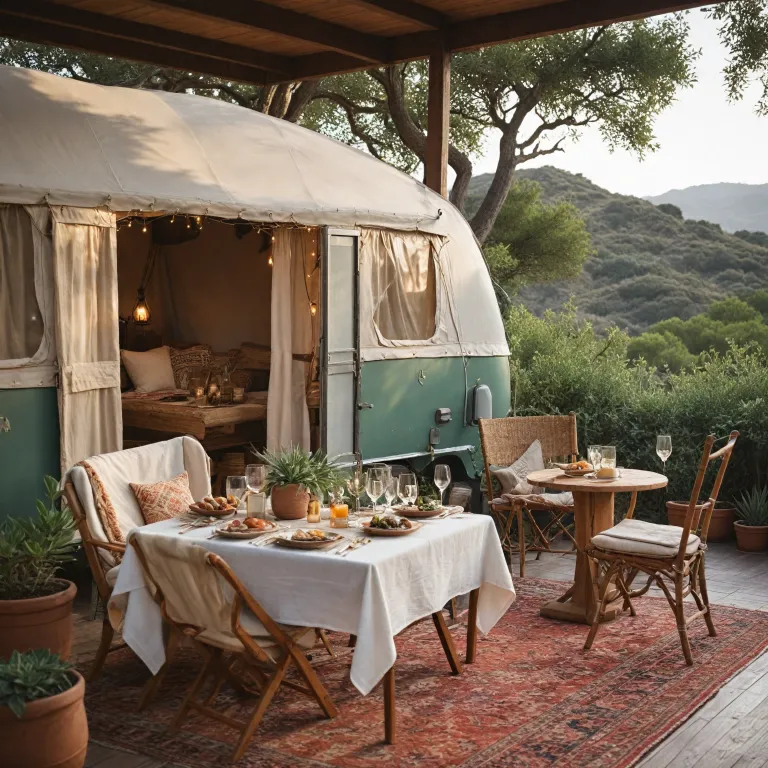
Glamping in southern California for refined nature lovers
Glamping in southern California has evolved into a refined alternative for travelers who want nature without sacrificing comfort. Across this vast area, luxury tents, domes, and cabins bring you close to the desert, mountain, and beach while maintaining hotel level amenities. For guests used to premium gastronomy hotels, this new style of stay offers a familiar sense of service with a more intimate connection to the land.
In this region, glamping sites range from the cedar cabins and safari tents of El Capitan Canyon near Santa Barbara to the bohemian Dome in the Desert close to Joshua Tree National Park. These properties combine outdoor immersion with private comforts such as plush bedding, curated interiors, and often a hot tub or pool for slow afternoons. Many travelers now compare the best glamping experiences directly with luxury house estate retreats, especially when they include chef led dining and thoughtful wine lists.
Glamping itself, whether in singular or multiple stays, means glamorous camping with real beds, heating, and often en suite bathrooms instead of basic tents and shared facilities. In southern California, this concept is amplified by the diversity of landscapes, from the sculptural trees of Joshua Tree National Park to the coastal cliffs near Big Sur and the forests of the San Bernardino National Forest. With more than fifty glamping sites in the region, guests can curate a series of stays that move from desert to ocean, each with its own character and culinary focus.
Signature landscapes for glamping in southern California
The most memorable glamping in southern California usually begins among the boulders and twisted trees of the Joshua Tree desert. Here, properties like Dome in the Desert and other Joshua Tree house estate style retreats frame the sky through large windows, while outdoor decks invite slow evenings under a canopy of stars. Many guests pair a stay near Joshua Tree National Park with time in a nearby state park to experience different hiking trails and viewpoints.
Further west, El Capitan Canyon offers glamping tents and cabins within walking distance of a quiet beach, where the Pacific sets the rhythm of the day. The surrounding park like setting includes gentle trails beneath the canyon’s tree canopy, and guests can move easily between outdoor activities and refined dining in Santa Barbara. For travelers who love Paris hotels with balcony views, this coastal canyon setting delivers a similar sense of elevated perspective, only here the outlook is over ocean and forest rather than rooftops.
To the south, glamping near San Diego and the wider San Diego area opens access to both coastline and national forest landscapes. Inland, Huttopia Paradise Springs in the San Gabriel Mountains brings canvas tents and spring fed pools to a secluded valley, where the air feels cooler and the forest thicker. Across these regions, the best glamping stays balance privacy, such as a secluded hot tub or private deck, with shared outdoor spaces that encourage conversation around fire pits and communal tables.
From tents to domes: comfort, design, and outdoor living
Accommodation design is central to glamping in southern California, where tents, domes, and cabins must feel both stylish and robust. Safari tents at resorts like Ventura Ranch KOA or El Capitan Canyon often feature wooden floors, proper beds, and hotel grade linens, transforming a simple canvas shelter into a serene suite. In the plural, these tents create small villages that still preserve a sense of private retreat thanks to careful spacing among trees and natural contours.
Domes and unique structures, including the Dome in the Desert, appeal to travelers who appreciate architecture as much as landscape. Their rounded forms, sometimes inspired by geodesic design, echo the curves of nearby boulders and hills, while interiors use warm woods and textiles to soften the geometry. For guests who usually book five star culinary stays, guides to world class gastronomy hotels such as exceptional 5 star hotels for food lovers can serve as a benchmark when assessing how well a glamping property integrates food, design, and service.
Some properties experiment with artistic details that echo digital design language, using concepts like stroke width or cls fill as metaphors for how light and shadow trace across canvas walls and wooden beams. In practice, this means thoughtful lighting, layered textures, and curated art that reflect the surrounding desert or forest. Whether you choose a single tent, a cluster of domes, or a castle house inspired structure, the aim is the same ; to create an outdoor stay that feels as considered as a luxury suite in Los Angeles or Santa Barbara.
Wellness, hot springs, and active escapes in nature
Wellness has become a defining theme for glamping in southern California, especially in regions with natural hot springs and clear night skies. Some retreats integrate hot tub decks overlooking the desert or mountain slopes, turning a simple soak into a ritual that marks the transition from day to evening. When several hot tubs are available, couples and small groups can enjoy private sessions while still feeling part of a wider, like minded community.
Mountain destinations such as Big Bear and the San Gabriel Mountains invite guests to combine glamping stays with hiking trails, mountain biking, and winter sports. In these areas, the national forest backdrop provides a sense of scale, while well marked trails lead from the tree line to panoramic viewpoints over the valley. Guests often comment that the mix of physical activity, fresh air, and restorative sleep in canvas tents or cabins leaves them more rested than a traditional city hotel break.
Coastal and desert sites also offer guided outdoor activities, from sunrise yoga in the Joshua Tree desert to kayaking near San Diego or Santa Barbara. Many glamping resorts partner with local guides to lead hikes in nearby state park and national park areas, ensuring that guests experience the landscape safely and respectfully. As one expert summary notes, “Activities vary by location but often include hiking, biking, swimming, and guided tours of nearby natural attractions.”
Culinary experiences and premium booking for gastronomy focused stays
For travelers used to gastronomy hotels, the culinary dimension of glamping in southern California is often the deciding factor. Some properties operate full service restaurants that highlight local produce, while others curate farm to table dinners using ingredients from nearby farm estates and coastal fisheries. In both singular and multiple night stays, guests can expect menus that reflect the surrounding desert, mountain, or beach environment through herbs, citrus, and seasonal vegetables.
El Capitan Canyon, for example, complements its glamping tents and cabins with a market and grill that emphasize regional flavors, while Santa Barbara’s wider dining scene adds depth for longer trips. Inland, retreats near Joshua Tree or Palm Springs may collaborate with private chefs for on site dinners, pairing dishes with natural wines or local craft spirits. Travelers planning multi stop itineraries that combine glamping with international trips often look to curated nature honeymoon guides such as luxury honeymoon getaways in nature for inspiration on how to balance fine dining and outdoor immersion.
Premium booking platforms dedicated to gastronomy focused stays can help guests compare options across southern California, from coastal Santa Barbara to Palm Springs, Big Bear, and even Big Sur. Filters that highlight private dining, chef’s tables, or proximity to vineyards allow travelers to align their glamping choices with their culinary priorities. As demand grows, more properties are investing in elevated food programs so that the best glamping experiences can stand alongside leading urban restaurants in Los Angeles and San Diego.
Planning, safety, and choosing the best glamping experiences
Thoughtful planning is essential when booking glamping in southern California, especially during peak seasons and holiday periods. With an average nightly rate around two hundred dollars, it is wise to compare what each stay includes, from hot tub access and pool facilities to guided hikes and on site dining. Guests should also check whether their chosen property sits near a national park, state park, or national forest, as this affects driving times, trail access, and potential park entry fees.
Safety considerations go beyond the usual hotel checklist, because glamping brings you closer to the elements and wildlife. Travelers with a history of heat related stroke, for example, should pay attention to summer temperatures in the Joshua Tree desert or Palm Springs area and ensure that tents or cabins have adequate ventilation and climate control. It is also important to respect fire regulations, stay on marked hiking trails, and follow any guidance about local animals, from snakes in the desert to bears in the Big Bear region.
When evaluating options, look for clear photography that shows the spacing between units, the quality of outdoor spaces, and the layout of any shared pool or lounge. Some design forward properties even reference concepts like stroke width and cls fill in their branding, using these terms to describe how architectural lines and color fields interact with the surrounding tree canopy or rock formations. Ultimately, the best glamping stays, whether singular or plural, will feel both intimate and well managed, offering a seamless blend of nature, comfort, and attentive service.
Key statistics for glamping in southern California
- Number of glamping sites in southern California : 50 sites.
- Average nightly rate for glamping accommodations : 200 USD.
- Percentage increase in glamping bookings from 2020 to 2025 : 35 %.
Essential questions about glamping in southern California
What is glamping?
Glamping, or "glamorous camping," combines traditional camping with luxury amenities, offering a comfortable outdoor experience. In southern California, this often means canvas tents, domes, or cabins with real beds, heating, and private bathrooms. Guests enjoy the sounds and scents of the desert, mountain, or beach while retaining many comforts associated with premium hotels.
Are glamping sites pet friendly?
Many glamping sites in southern California are pet friendly, but it's advisable to check specific policies before booking. Some properties limit pets to certain units or charge additional cleaning fees, while others provide dedicated dog areas and nearby trails. Always confirm leash rules, nearby veterinary services, and any restrictions related to national park or state park regulations.
What activities are available at glamping sites?
Activities vary by location but often include hiking, biking, swimming, and guided tours of nearby natural attractions. Coastal sites may add kayaking or surfing, while desert and mountain retreats focus on stargazing, wellness workshops, and scenic hiking trails. When planning your stay, review each property’s activity list to ensure it aligns with your expectations for relaxation, adventure, or gastronomy.